cb.web.local

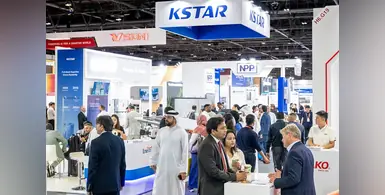
The final day of Middle East Energy 2026 in Dubai has officially brought down the curtain on a landmark three-day summit, uniting more than 1,900 energy companies from over 150 countries and roughly 35,000 industry professionals.

The final day of Middle East Energy 2026 in Dubai has officially brought down the curtain on a landmark three-day summit, uniting more than 1,900 energy companies from over 150 countries and roughly 35,000 industry professionals.

As the event concluded at the Dubai World Trade Centre, discussions pivoted heavily towards execution, cross-border cooperation, and actionable strategies required to accelerate the region's ongoing energy transition. With global electricity demand surging—driven largely by rapid digitalisation, industrial expansion, and the proliferation of artificial intelligence—the conversation across exhibitions and conference halls underscored an urgent mandate: transforming power infrastructure from strategic planning into tangible, large-scale delivery.

AI, digitalisation, and grid resilience

A central theme throughout the concluding sessions was the intricate intersection of advanced technology and modern power systems. As artificial intelligence data centres, smart cities, and heavy industrial applications place unprecedented loads on traditional grids, stakeholders examined innovative engineering solutions to ensure long-term stability and reliability. Industry experts emphasized that grid modernization cannot wait, requiring immediate and sustained investments in advanced software, automation, and real-time monitoring tools.

Furthermore, panel discussions explored how digital transformation optimizes energy efficiency across generation, transmission, and distribution networks. Leaders from government bodies, municipal utilities, and private enterprises noted that enhanced regional power interconnections will play a vital role in building highly resilient energy systems. These networks are uniquely positioned to handle intermittent renewable energy supplies while simultaneously safeguarding overall grid reliability and mitigating operational risks.

Scaling renewables, storage, and infrastructure

The exhibition floor served as a dynamic, interactive hub for showcasing cutting-edge electrical hardware, including high-efficiency transformers, advanced switchgear, and robust energy storage systems. Exhibitors from across the globe demonstrated how modern technological integration is revolutionizing renewable energy deployment across the Middle East. Key highlights and focal points from the exhibition floor included:

  • Over 1,900 global exhibitors showcasing pioneering innovations in electrical transmission, distribution, renewable generation, and critical power solutions.

  • Specialized co-located zones focusing extensively on battery energy storage systems (BESS), solar photovoltaic technology, and electric-vehicle charging infrastructure.

  • The accelerated deployment of major utility-scale solar and wind energy projects across the UAE, Saudi Arabia, and Oman, which continues to boost regional demand for high-grade electrical equipment.

  • Strategic framework discussions addressing the seamless integration of distributed energy resources, decentralised power grids, and advanced microgrid architectures.

Strategic collaboration and capital investment

Beyond technical equipment displays, the final day placed a strong, analytical spotlight on the financing mechanisms and regulatory policy frameworks necessary to fuel long-term infrastructure development. Financial institutions, policymakers, and engineering leaders convened in high-level closed-door sessions to align capital availability with overarching sustainable development goals.

With international commitments officially shifting from high-level climate targets to execution-focused capital deployment, participants emphasized the vital importance of robust public-private partnerships. Navigating complex supply chain resilience, securing critical mineral corridors, and streamlining regulatory approvals were universally identified as non-negotiable milestones for maintaining momentum.

Charting the path forward for regional utilities

As utilities and regulatory bodies navigate the complexities of modernizing legacy infrastructure, regional cooperation remains the cornerstone of success. Leaders at the summit stressed that shared knowledge and harmonised standards will allow Middle Eastern nations to bypass traditional developmental bottlenecks. By embracing cross-border grid links, countries can effortlessly balance peak loads, share surplus renewable generation, and stabilize energy costs across borders. This collaborative ethos not only reinforces national energy security but also positions the wider Middle East as a global leader in sustainable power management and technological innovation.

Moreover, discussions touched upon workforce readiness, highlighting the necessity of cultivating the next generation of engineers and technicians equipped to manage smart power grids. As the curtain falls on this year's edition, the overarching message from Dubai is definitive: the technological tools and robust financial frameworks required to build a sustainable, tech-driven energy future are already within reach, setting the stage for a cleaner, smarter, and more interconnected regional economy.
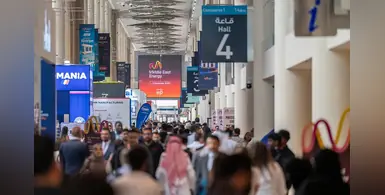
During the event's second day, international leaders, innovators, and policymakers convened to explore the capital and technological advancements that are actively shaping the next phase of the global energy transition.

The global shift towards sustainable infrastructure and renewable energy has officially transcended theoretical ambition.

Across the world, the focus has pivoted sharply towards execution, financing, and the practical application of next-generation technologies. Nowhere was this more evident than at the 50th edition of Middle East Energy 2026, where the industry’s most pressing challenges and pioneering solutions took centre stage.

During the event's second day, international leaders, innovators, and policymakers convened to explore the capital and technological advancements that are actively shaping the next phase of the global energy transition. It has become increasingly clear that achieving net-zero targets will require a fundamental restructuring of how power is generated, distributed, and consumed on a macroeconomic scale.

AI and innovation at the core of energy strategy

At the heart of this global dialogue was a profound emphasis on the intersection of artificial intelligence, digital transformation, and sustainable power generation. The day commenced with a highly anticipated Leadership Summit keynote delivered by H.E. Omar bin Sultan Al Olama. During his address, he meticulously outlined the complex matrix of modern energy demands.

“Demand continues to grow, technology is advancing at an exponential rate, and artificial intelligence is reshaping how we produce, manage, and consume energy. These are not separate challenges; they are part of the same equation. The question before us is not simply how we generate more energy, but rather how do we build a cleaner, smarter, resilient, and sustainable energy system capable of supporting long-term economic growth,” he said.

Furthermore, he contextualised the strategic vision of the host nation, framing power generation as a foundational pillar for comprehensive socio-economic development.

“For the UAE, the journey is guided by a simple belief: energy is not an end in itself. Energy enables progress. It enables industry. It enables technology. It enables mobility, it enables prosperity, and increasingly, it enables national competitiveness,” H.E. Al Olama added.

Supply chains and decentralisation

Throughout various speaking forums, senior voices representing government bodies, international utilities, and global finance presented robust investment cases for renewable energy. The central themes included artificial intelligence, grid flexibility, and digital technologies. This collaborative agenda highlighted an industry-wide consensus: the narrative must move away from establishing targets and towards tangible delivery and execution.

The Leadership Summit also featured critical fireside conversations that brought geopolitical factors and supply chain realities into sharp focus. Experts dissected the ongoing global realignment of clean energy manufacturing, evaluating the vital role of critical mineral supply chains, logistics, and shipping corridors in safeguarding the momentum of the energy transition.

Simultaneously, the Technical Excellence Forum hosted a pivotal session titled “Energy Transition & Decentralisation”. Here, industry specialists explored the architecture of the region's net-zero pathway, specifically identifying microgrids, distributed generation, and demand-side flexibility as the essential building blocks for modern, resilient energy networks.

Beyond the strategic dialogues, Middle East Energy 2026 sal co

Key innovations and technological breakthroughs showcased included:specialised, sustainability-focused engineering solutions explicitly designed for intelligent infrastructure.

  • Lucy Electric: Launched the Nuventura Nu1, an innovative, sustainable, and completely SF6-free switchgear capable of delivering reliable performance up to 36kV.

  • Saudi Meters: Displayed advanced, smart water and electricity metering solutions designed to enhance resource tracking and efficiency across the grid.

  • InfiVR: Pushed the boundaries of workplace safety by showcasing AI-powered health, safety, and environment (HSE) training programmes.

  • Shandong Taikai: The Chinese enterprise exhibited cutting-edge, high-voltage power transmission and transformation equipment.

  • Hunan Guochuang Electric: Highlighted its precision-engineered transformer components, tailored specifically for the new energy and ultra-high voltage sectors.

  • Hash House: Introduced the H1-630, a highly compact cryptocurrency mining device engineered to integrate seamlessly with solar and battery systems, thereby allowing users to monetise excess energy generation.

As international exhibitors continue to unveil revolutionary products on the show floor, the momentum of the event underscores a critical reality: the tools required to build a sustainable, tech-driven energy future are already here. With Middle East Energy running until 3 September, the global energy sector is undoubtedly accelerating towards a smarter, more resilient era.

IBM has officially joined the 17th edition of the Middle East Banking Innovation Summit (MEBIS) as the Title Sponsor.

The Middle East's financial landscape is undergoing a profound digital transformation, with artificial intelligence at the very heart of this evolution.

IBM has officially joined the 17th edition of the Middle East Banking Innovation Summit (MEBIS) as the Title Sponsor. Scheduled for the 16th and 17th of September 2026 at the Jumeirah Emirates Towers in Dubai, the summit is the premier banking technology event in the region.

This major announcement, placed prominently ahead of the industry gathering, underscores IBM’s commitment to equipping regional institutions with enterprise-grade solutions. The summit serves as the ultimate platform to shape the future of autonomous banking with C-level executives and digital innovators converging in the United Arab Emirates.

The shift towards AI-powered financial services

Banking today transcends traditional transaction processing; it is fundamentally about hyper-personalised customer experiences and frictionless digital ecosystems. MEBIS 2026 explores the AI-driven transformation reshaping the sector, focussing heavily on the critical transition from basic automation to advanced Generative and Agentic AI technologies.

IBM’s sponsorship highlights the urgent need for a cohesive digital strategy as institutions face escalating pressure to modernise. The technology leader helps clients across more than 175 countries capitalise on deep data insights, streamline complex processes, and reduce operational costs. Thousands of corporate entities in critical infrastructure areas such as financial services rely on IBM’s hybrid cloud platform and Red Hat OpenShift to execute their digital transformations rapidly and securely.

Innovation cannot come at the expense of enterprise security. IBM’s advancements in quantum computing, industry-specific cloud solutions, and artificial intelligence are backed by a steadfast commitment to transparency and responsibility. At the summit, senior figures, including Shukri Eid, Vice President and General Manager for Gulf, Levant, and Pakistan at IBM, will join strategic discussions on scaling AI responsibly whilst ensuring robust cybersecurity controls are maintained.

Key themes shaping the 2026 summit

The MEBIS 2026 agenda brings banking transformation to the foreground, tackling real-world challenges faced by the region’s boldest banking minds. The structured programme carefully blends visionary keynotes, executive dialogues, and practical case studies.

Attendees will actively explore several critical industry pillars:

  • Intelligent Automation: Focussing on responsible scaling, agentic workflows, and delivering a tangible return on investment from artificial intelligence applications.

  • Data Strategy: Establishing trusted analytics through enhanced data quality, robust lineage tracking, and strict institutional governance controls.

  • Cloud Architecture: Transitioning to modern data platforms that allow for high-speed interoperability and seamless, non-disruptive system upgrades.

  • Digital Banking and CX: Designing fully connected omnichannel networks to deliver hyper-personalised customer journeys.

  • Risk and Cybersecurity: Implementing advanced threat intelligence and a proactive 'trust-by-design' framework across all digital finance touchpoints.

  • Embedded Finance: Utilising open APIs to build collaborative digital ecosystems and unlock entirely new revenue models.

Gathering the region’s financial elite

Attracting over 400 attendees annually, MEBIS draws a highly influential crowd, with more than 75 per cent of delegates holding C-suite or key decision-making roles. The event consistently unites representatives from over 100 retail, corporate, and Islamic banks.

This unparalleled concentration of expertise provides unmatched networking opportunities. Emphasising the importance of this gathering, Saket Saith, Group Chief Technology and Data Officer at RAKBANK, noted: “It's always great to come here, meet people, and understand what's happening in the industry. We can't operate in isolation anymore, networking, sharing challenges, and discovering creative solutions together is essential. That's what brings me back to this event every year.”

Paving the way for digital success in the UAE

Dubai’s strategic position as a global financial hub makes it the ideal host for MEBIS 2026. The active participation of the UAE Banks Federation and top executives from regional heavyweights—such as Mashreq, Emirates NBD, and Dubai Islamic Bank—ensures that the summit’s outcomes will ripple across the wider Middle East.

By securing the Title Sponsor position, IBM is actively architecting the technological framework supporting the next decade of digital finance. As banking leaders convene this September, the focus remains firmly on actionable insights and forming dynamic partnerships that drive the region towards a secure, autonomous, and AI-enabled financial future.

The 28th edition of the Water, Energy, Technology and Environment Exhibition (WETEX 2026), organised by the Dubai Electricity and Water Authority (DEWA), is set to unveil a dedicated Water Platform at the Dubai World Trade Centre from 20 to 22 October 2026.

The 28th edition of the Water, Energy, Technology and Environment Exhibition (WETEX 2026), organised by the Dubai Electricity and Water Authority (DEWA), is set to unveil a dedicated Water Platform at the Dubai World Trade Centre from 20 to 22 October 2026.

Designed to address escalating global resource pressures, this specialised hub will showcase cutting-edge innovations, smart technologies, and advanced solutions aimed at reshaping modern water infrastructure and securing sustainable urban development across the region.

The Strategic Imperative of Global Water Security

Water security remains an essential foundation for long-term ecological stability, societal health, and robust economic prosperity. Amid mounting challenges driven by rapid population growth, intensive urban expansion, and unpredictable climate shifts, utilities and governments face immense pressure to modernise resource oversight. Integrating advanced engineering, digital automation, and efficiency-focused frameworks is no longer optional; it is a critical mandate for modern civilisations striving to secure reliable supplies for future generations.

HE Saeed Mohammed Al Tayer, MD & CEO of DEWA, Founder and Chairman of WETEX, emphasised the urgency of these developments:

“Water security is one of the fundamental pillars of sustainable development, enhancing quality of life and supporting economic growth. In light of the growing challenges related to population growth, urban expansion and climate change, there is an increasing need to accelerate the adoption of advanced technologies and innovative solutions that enhance the efficiency of water resource management and contribute to ensuring the reliability and sustainability of water supplies.”

What to Expect at the Specialised Water Platform

Located within Sheikh Saeed Hall 3, the dedicated Water Platform will function as an interactive epicentre for international corporations, research institutions, industry pioneers, and environmental specialists. The space is engineered to foster high-value partnerships, encourage public-private sector collaboration, and accelerate the commercialisation of breakthrough green technologies.

Key highlights and focal points of the platform include:

  • Advanced Desalination: Showcasing next-generation reverse osmosis systems and energy-efficient purification processes designed to reduce environmental impact.

  • Smart Utility Networks: Highlighting automated monitoring tools, sensor-driven leakage detection, and data-driven network management to minimise resource loss.

  • Artificial Intelligence Integration: Exploring how machine learning algorithms and predictive maintenance models optimise large-scale water distribution pipelines.

  • Specialised Seminars: Hosting daily expert-led sessions from 11:00 am to 2:50 pm, offering deep dives into operational efficiency and regulatory compliance.

HE Saeed Mohammed Al Tayer further highlighted the collaborative nature of the initiative:

“The Water Platform at WETEX provides a dedicated space that brings together key organisations, experts and specialists from around the world to exchange knowledge, expertise and best practices, as well as explore the latest technologies and innovative solutions that support a more sustainable and resilient future for all. It also contributes to strengthening cooperation between the public and private sectors.”

Driving Global Dialogue and Sustainable Innovation

Over nearly three decades, the exhibition has evolved into a premier international marketplace for clean energy, environmental protection, and resource optimisation. Last year's milestone event welcomed over 50,000 visitors from 65 countries, featuring 3,100 exhibiting brands across 18 international pavilions. By spotlighting pioneering water solutions, WETEX 2026 aims to galvanise investment and support the United Nations Sustainable Development Goals 2030.

Reflecting on the broader vision of the event, HE Saeed Mohammed Al Tayer noted:

“Over 28 years, WETEX has consolidated its position as a leading global platform that brings together decision-makers, investors, developers, research centres and technology providers under one roof to promote dialogue, build partnerships and stimulate investment across various sustainability sectors. Allocating a dedicated platform to water underscores the strategic importance of the sector and its pivotal role in achieving water security and supporting the UN Sustainable Development Goals 2030.”

As registration numbers climb and international delegations finalise their participation, WETEX 2026 stands ready to redefine the boundaries of what is possible in global water management.

, specialized by stc, the leading national provider of critical communication networks, announced its participation in LEAP.

In an increasingly volatile global landscape, the demand for resilient, mission-critical communications has never been more urgent.

Meeting this demand head-on at the LEAP global technology conference, specialized by stc—the dedicated arm for mission-critical networks under the stc group—is unveiling its latest advancements in robust digital infrastructure. From managing emergency responses to securing national grids, modern urban centres require digital ecosystems that can withstand extreme pressures without faltering. LEAP serves as the ideal epicentre for such pioneering announcements, highlighting a sector that is rapidly transforming through the integration of artificial intelligence (AI), edge computing, and the Internet of Things (IoT).

Recognising that flawless connectivity is the bedrock of national security and industrial efficiency, the organisation aims to showcase a comprehensive suite of technologies designed specifically for high-stakes environments. The centrepiece of this strategic unveiling at the conference is the newly launched Business-Critical Network, an infrastructure marvel engineered to redefine connectivity standards across the Kingdom of Saudi Arabia and beyond. By establishing a dedicated LTE network that spans the entire nation, the deployment promises unparalleled agility for sectors where split-second decision-making is paramount.

Empowering High-Stakes Sectors

The significance of this technological leap extends far beyond basic connectivity; it represents a foundational shift in how vital industries operate under pressure. Addressing the strategic vision behind this deployment, Riyadh Muawad, Chief Business Officer at stc group, stated:

“The launch of the Business-Critical Network marks a new era of critical communications for Saudi Arabia. This purpose-built network sets a new benchmark for mission-critical communications, empowering key industries with the speed, security, and intelligence needed to operate in high-pressure environments. It reflects our commitment to enabling national sectors with future-ready capabilities and cementing stc group's position as a trusted partner in advancing the Kingdom's digital future.”

Core Pillars of the Business-Critical Network

To meet the stringent demands of global Mission Critical and 3GPP standards, the newly unveiled ecosystem is fortified with several advanced features. These integrations ensure that whether in remote industrial sites or bustling smart cities, the communication lines remain impenetrable and highly responsive. Key elements of the Business-Critical Network include:

  • Encrypted push-to-talk capabilities: Ensuring immediate, secure voice transmission across dispersed field teams without the risk of interception.

  • Shock-resistant hardware: Deploying ruggedised devices built to survive extreme physical conditions, vital for defence and industrial applications.

  • Real-time emergency alerts: Facilitating automated, instantaneous notifications to coordinate swift responses during critical incidents.

  • AI-driven situational awareness: Utilising edge computing to process field data instantly, enabling predictive maintenance and smarter crowd management.

  • Secure group messaging: Providing a reliable platform for coordinated, multi-agency communication during large-scale operations.

A Comprehensive Shield for Critical Operations

Beyond the core network, the LEAP showcase highlights a broader portfolio aimed at digital readiness. Systems such as Forun, designed for instant response, and TETRA, an encrypted communication protocol, form the backbone of this resilient architecture. Platforms like Hadath offer integrated event management, proving essential for massive crowd coordination during major events. Together, these technologies provide a holistic shield for healthcare, oil and gas, finance, and public safety.

Elevating Operational Control and Safety

Delivering these sophisticated solutions requires an unwavering focus on operational excellence and customer integration. Eng. Khaled Al-Dharrab, CEO of specialized by stc, emphasised the operational impact of the new suite:

“As the sales arm behind this groundbreaking launch, we are proud to deliver a service that meets the unique communication needs of critical industries. The Business-Critical Network empowers organizations to strengthen operational control, improve responsiveness, and elevate safety —ensuring seamless performance even in the most demanding and high-pressure environments.”

As cities become smarter and industries reliant on data flows, the margin for communication failure shrinks to zero. The innovations unveiled at LEAP highlight a proactive approach to this reality, establishing a resilience blueprint thaks and leveraging AI and IoT, the future of critical communications ensures continu

More Articles …