







In The Spotlight
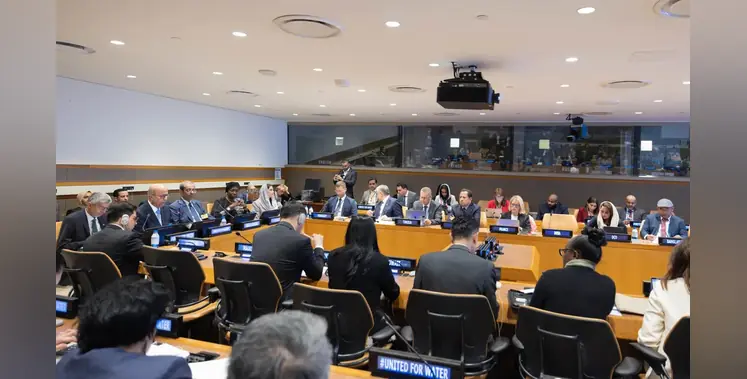
The Kingdom of Saudi Arabia and the Republic of Senegal, in collaboration with the Global Water Organisation (GWO), recently convened a critical high-level ministerial dialogue.
Global water security: UNGA sparks collective action
The escalating global water crisis represents one of the most profound threats to international stability, public health, and sustained economic development.
As climate change exacerbates resource scarcity, the need for immediate, coordinated intervention has never been more urgent. Confronting this global challenge head-on, the Kingdom of Saudi Arabia and the Republic of Senegal, in collaboration with the Global Water Organisation (GWO), recently convened a critical high-level ministerial dialogue.
Held on the sidelines of the 81st session of the United Nations General Assembly (UNGA) in New York, the event, titled “United for Water: A Call for Collective Action”, brought together a diverse coalition of leaders. Ministers, senior government officials, representatives from multilateral development banks, United Nations agencies, and water sector pioneers gathered at the United Nations Headquarters. Their shared objective was clear: to evaluate the growing pressures on global water resources and outline practical pathways to secure a water-resilient future.
The Imperative for Global Cooperation
Water security is no longer a peripheral environmental issue; it is the fundamental bedrock of societal resilience. The UNGA dialogue underscored how water access intersects with every facet of human survival, from food security and robust public health to climate adaptation and economic continuity. During the opening session, high-level political commitment was demonstrated through remarks from the Deputy Minister of Foreign Affairs for International Multilateral Affairs of Saudi Arabia and the High Representative of the President of the Republic of Senegal, supplemented by a special address from the UN Special Envoy on Water.
Emphasising the necessity of a unified approach, H.E. Dr. Fahad Balghunaim, Head of the GWO Founding Team, articulated the core mission of the assembly:
“Water underpins public health, food security, economic development, climate resilience and stability. Your presence here reflects the importance the international community places on water, and we must now translate that commitment into tangible results. This means aligning financing with credible priorities, accelerating high-impact innovation, strengthening access to reliable data and building institutional capacity for implementation. Collective action asks each of us to bring our strongest capabilities to a purpose we hold in common.”
Translating Dialogue into Tangible Results
A major theme of the UNGA side event was the urgent need to transition from diplomatic discourse to measurable, on-the-ground implementation. Participants actively exchanged national experiences, highlighting how governments and international institutions can forge scalable partnerships to deliver practical solutions.
To achieve these ambitious targets, the dialogue focused on several critical implementation strategies:
-
Mobilising Sustainable Financing: Identifying new funding mechanisms and aligning global capital with priority water infrastructure projects.
-
Fostering High-Impact Innovation: Developing and deploying advanced technologies to optimise water management, conservation, and distribution.
-
Enhancing Data Accessibility: Strengthening the collection and sharing of reliable data to inform evidence-based policy and governance.
-
Building Institutional Capacity: Equipping local and national bodies with the expertise required for practical delivery at scale.
By strengthening the connections between governments, development partners, and key stakeholders, the international community aims to create robust frameworks that support water security and broader sustainable development goals.
A Permanent Framework: The Global Water Organisation
Central to these international efforts is the Global Water Organisation. Envisioned as a permanent institutional mechanism dedicated exclusively to global water cooperation, the GWO serves as a collaborative platform connecting countries with the expertise, financing, and partnerships necessary to achieve their objectives.
First announced in September 2023 by His Royal Highness Prince Mohammed bin Salman bin Abdulaziz Al Saud, Crown Prince and Prime Minister of Saudi Arabia, the organisation has rapidly solidified its position. In May 2025, the GWO’s Charter was officially signed in Riyadh—which serves as its headquarters—by eight founding Member States: Greece, Kuwait, Mauritania, Pakistan, Qatar, Saudi Arabia, Senegal, and Spain.
Guided by its foundational vision, “United for Water”, the GWO operates across four strategic pillars to empower governments and institutions worldwide:
-
Facilitating Financing and Funding: Streamlining investment into critical water infrastructure and sustainable resource programmes.
-
Data Insights and Reporting: Providing accurate, comprehensive analytics to guide international water policy.
-
Research and Innovation: Driving forward-thinking solutions to overcome complex water scarcity challenges.
-
Policy and Governance: Assisting Member States in developing robust frameworks for effective water management.
As global water demands continue to rise, the collaborative efforts championed at the UNGA highlight a decisive shift in international diplomacy. By leveraging the structured support of the GWO, nations are better equipped to coordinate their capabilities and ensure a stable, water-secure future for generations to come.
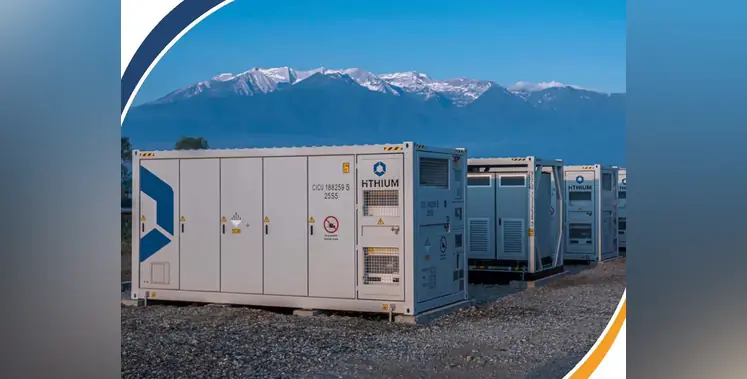
Türkiye is definitively transforming into a clean energy and synthetic fuels powerhouse, serving as the essential green bridge for the EU-MENAT region.
Türkiye's Clean Energy Evolution: A Green Bridge
The global transition towards zero-emission energy has reached a critical juncture, with nations racing to establish secure, sustainable supply chains.
Positioned at the geographical and economic crossroads of the world, the corridor connecting the European Union with the Middle East and North Africa (MENA) is rapidly emerging as a focal point for renewable infrastructure. Within this highly strategic landscape, a major development has been spotlighted. According to recent insights published by Dii Desert Energy, Türkiye is definitively transforming into a clean energy and synthetic fuels powerhouse, serving as the essential green bridge for the EU-MENAT region.
Historically recognised as a pivotal transit hub for fossil fuels, Türkiye is now aggressively rewriting its energy narrative. The nation is moving swiftly to capitalise on its vast wind and solar resources, aiming to pivot from a net energy importer to a formidable exporter of low-emission power. This transformation is not merely a domestic ambition; it is a critical enabler for European markets seeking reliable, decarbonised energy alternatives to meet stringent net-zero targets.
The 120 GW National Energy Plan
At the core of this monumental shift is Türkiye’s highly ambitious National Energy Plan. Realising the urgent need to decarbonise and achieve energy independence, the government has set a definitive trajectory for the coming decade. The plan focuses extensively on scaling up domestic generation, fundamentally altering the national energy mix.
By the year 2035, the country aims to reach an impressive 120 gigawatts (GW) of installed renewable capacity. To achieve this, the nation plans to quadruple its current solar and wind generation capabilities. Local wind production, in particular, is slated to take a leading role in this rapid expansion. By harnessing its natural meteorological advantages, Türkiye intends to significantly diminish its historical reliance on imported carbon-intensive fuels, ensuring a resilient and sustainable domestic grid while unlocking export potential.
Upgrading the Grid: A $28 Billion Investment
Generating immense volumes of renewable energy is only the first step; transmitting and storing it requires robust, modernised infrastructure. Dii Desert Energy highlights that integrating this unprecedented scale of wind and solar into regional power systems demands meticulous coordination. To support the 2035 targets, Türkiye has outlined a comprehensive $28 billion grid modernisation programme.
Key components of this massive infrastructure overhaul include:
-
Battery Energy Storage Systems (BESS): The deployment of 7.5 GW of large-scale battery capacity. This is the primary enabler for grid stability, managing the inherent intermittency of renewable sources and ensuring a consistent power supply.
-
Green Hydrogen Electrolysers: The development of 5 GW of electrolyser capacity, which will establish the necessary foundation for a thriving, domestic green hydrogen economy.
-
Common User Infrastructure (CUI): The strategic rollout of shared infrastructure to de-risk giga-scale renewable developments. This approach significantly lowers entry barriers for commercial project developers and accelerates deployment.
Pioneering the Synthetic Fuels Market
Beyond the direct transmission of green electricity, Türkiye is strategically positioning itself as a global leader in the low-emission molecules sector. By marrying its expanding renewable capacity with advanced electrolyser technology, the country is laying the groundwork for the large-scale commercial production of green hydrogen and synthetic fuels.
To navigate the complex regulatory and financial landscape of this nascent industry, Türkiye has engaged in high-level international collaborations. Working alongside institutions such as the World Bank, the nation is actively developing a comprehensive national hydrogen roadmap. This strategic framework is designed to overcome existing hurdles related to commercial offtake agreements and create an exceptionally favourable environment for international investment, ensuring that long-term green fuel projects are bankable and secure.
Uniting the EU-MENA Energy Divide
Ultimately, Türkiye’s greatest asset remains its unique geopolitical positioning. As the European Union accelerates its decarbonisation efforts, the demand for cross-border clean energy imports is surging at an unprecedented rate. Meanwhile, the MENA region offers some of the most favourable conditions globally for low-cost renewable generation.
Through its $28 billion grid overhaul and unwavering commitment to green hydrogen, Türkiye is cementing its role as the indispensable link between these two vital markets. By facilitating the seamless transfer of zero-emission power and synthetic fuels across continents, the nation is not just upgrading its own grid—it is actively driving the industrial green transformation of the entire region.
Abu Dhabi Future Energy Company PJSC (Masdar), which has released its 13th Annual Sustainability Report. This momentous increase successfully avoided 19.5 million tonnes of carbon dioxide equivalent (CO₂e) emissions globally.
Global clean energy expansion drives 38% rise in Masdar Generation
The global transition towards sustainable infrastructure is accelerating at an unprecedented pace, with 2025 marking a defining year for international decarbonisation efforts.
Leading this expansion is Abu Dhabi Future Energy Company PJSC (Masdar), which has released its 13th Annual Sustainability Report. This momentous increase successfully avoided 19.5 million tonnes of carbon dioxide equivalent (CO₂e) emissions globally.
This upward trajectory reflects the continued expansion of the company’s global operating projects. Including a further 20.7GW from secured developments or those nearing final investment approval, the total portfolio reached 66.5GW by the end of 2025.
The 2025 reporting boundary was broadened to include Saeta Yield and TERNA ENERGY for the first time. Key highlights include: It establishes a vital global blueprint, demonstrating how combined solar and battery storage can provide continuous, reliable power at a commercial scale.
Attracting Green Finance and International Investment
Financial markets responded enthusiastically to these global sustainability initiatives.$1 billion green bond in May. This issuance was oversubscribed by 6.6 times, attracting investor orders totalling US$6.6 billion, with international investors securing 85 per cent of the bonds.
This brought the total value of outstanding green bonds to US$2.75 billion. Biodiversity protection was significantly strengthened via the Integrated Biodiversity Assessment Tool (IBAT), encompassing 23 targeted surveys and three conservation partnerships. Meanwhile, the Emiratisation rate reached approximately 46 per cent (excluding international operations), and teams globally completed 250,000 hours of health, safety, and environmental training.
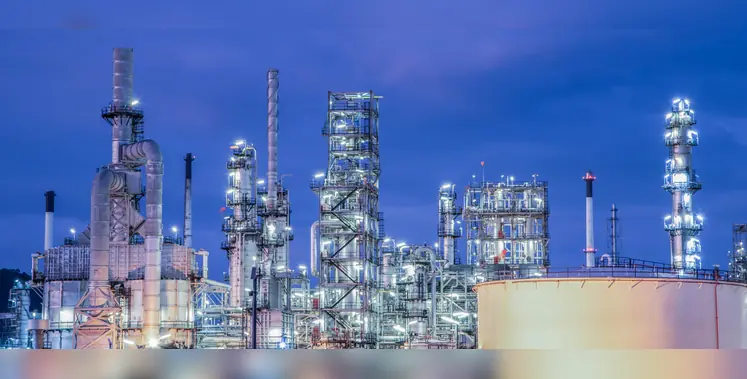
Emerson has announced a significant expansion in the Middle East and Africa.
Emerson’s strategic expansion in Qatar
The industrial landscape of the Middle East is undergoing a profound transformation.
As nations pivot towards economic diversification and modernised infrastructure, the demand for sophisticated industrial technology and agile operations has never been more urgent. At the heart of this industrial evolution is the need for advanced automation solutions capable of streamlining complex environments.
Meeting this demand head-on, global automation leader Emerson has announced a significant expansion in the Middle East and Africa. The company will build a state-of-the-art facility—the Emerson Middle East & Africa Service Centre—located within Qatar’s strategically positioned Umm Alhoul Free Zone.
Accelerating Regional Industrial Capabilities
The broader automation sector is rapidly scaling to meet the rigorous demands of modern manufacturing and energy production. For industrial operators, mitigating operational disruptions and accelerating time-to-market are critical baseline requirements for maintaining global competitiveness. Emerson’s forthcoming 3,500-square-metre facility is meticulously designed to address these pressing regional needs.
By establishing a robust local presence in Qatar, Emerson aims to help regional customers optimise daily operations, dramatically reduce project turnaround times, and minimise operational costs. This new development serves as a crucial addition to the company's extensive service network, which encompasses manufacturing, distribution, and service locations across the United Arab Emirates and Saudi Arabia, alongside a broad coalition of accredited regional service partners.
Pioneering In-Country Flow Calibration
A cornerstone of the Umm Alhoul development is the introduction of Qatar’s first certified in-country flow calibration lab. Historically, operations relying on large-size flow meters for high-pressure and high-volume operations faced logistical hurdles when seeking certified calibration services. The establishment of a domestic laboratory fundamentally changes this dynamic.
By bringing these highly specialised capabilities in-country, operators can ensure their critical measurement tools remain accurate and compliant without the lengthy downtime previously required to send equipment abroad. The lab is specifically equipped to handle the immense scale and pressure requirements typical of heavy industrial sectors, ensuring continuous, reliable production.
Comprehensive Automation and Support Solutions
Beyond the calibration laboratory, the expansive service centre will house a suite of critical automation technologies and operational support mechanisms. To comprehensively serve the region’s growing industrial base, the facility will feature:
-
Advanced Control Systems: Comprehensive staging and integration services for distributed control systems, allowing for seamless deployment in complex environments.
-
Measurement and Training: Cutting-edge measurement instrumentation solutions paired directly with specialised skid training systems.
-
Rapid Supply Chain Support: Extensive off-the-shelf inventory and streamlined spare parts distribution to immediately address equipment maintenance needs.
-
Skills Development: A dedicated training and experience centre designed to upskill customer operations teams on the latest industrial technologies.
To ensure a swift impact on the local market, the project will be delivered in strategic phases. The control systems staging area, measurement solutions services, spares inventory, and the customer training centre are scheduled to open in December 2026. Shortly thereafter, the pioneering flow calibration lab will officially commence operations in early 2027.
Driving the Qatar National Vision 2030
The strategic implications of this investment extend far beyond immediate technological benefits. The Emerson Middle East & Africa Service Centre is deeply aligned with the overarching objectives of the Qatar National Vision 2030, a national framework dedicated to fostering robust economic growth and vital industrial diversification. By anchoring advanced capabilities within the country, the initiative acts as a powerful catalyst for in-country value creation.
Reflecting on the importance of this milestone, Judson Duncan, group president of Global Sales at Emerson, stated: “This new investment reflects Emerson’s strategic commitment to accelerating innovation in Qatar and supporting the Middle East’s most critical operations. Our additional capabilities will enable customers to operate with greater agility, reliability and cost efficiency.”
The gravity of this regional expansion was underscored during a formal signing ceremony held on the sidelines of the Qatar Economic Forum (QEF) in New York City. The agreement was cemented alongside prominent Qatari dignitaries, including Sheikh Mohammed Bin Hamad Bin Faisal Al-Thani, chief executive officer of the Qatar Free Zones Authority, and Sheikh Faisal bin Thani bin Faisal Al-Thani, minister of commerce and industry and chairman of the Qatar Free Zones Authority.
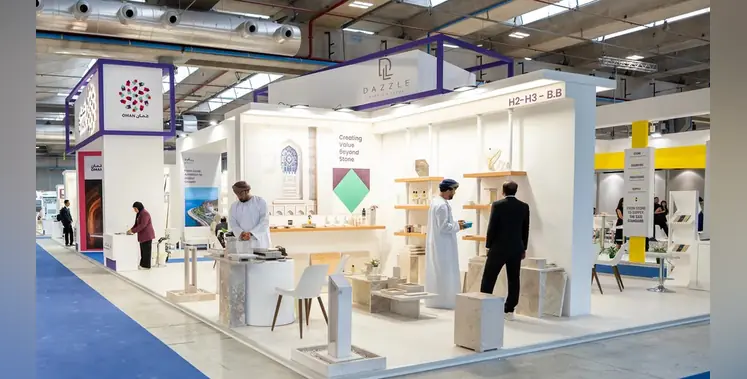
The Sultanate of Oman has officially commenced its high-profile participation in the landmark 60th edition of Marmomac, the premier international trade fair dedicated to natural stone, innovative design, and advanced stone industry technology in Verona, Italy.
Oman expands global reach at the 60th Marmomac Exhibition
The Sultanate of Oman has officially commenced its high-profile participation in the landmark 60th edition of Marmomac, the premier international trade fair dedicated to natural stone, innovative design, and advanced stone industry technology in Verona, Italy.
Marking a significant milestone for the nation's burgeoning industrial sector, this year's national delegation features a substantially expanded presence designed to elevate Omani marble, granite, and natural stone products on the global stage while forging robust commercial partnerships across European and international markets.
Showcasing Omani Marble and Natural Stone on the Global Stage
Held annually at the Veronafiere exhibition grounds, Marmomac is universally recognised as the world's largest and most important hub for the natural stone supply chain, encompassing everything from raw quarrying and material processing to cutting-edge manufacturing technologies, specialized machinery, tools, and intricate architectural applications.
Eng. Dawood bin Salim Al Hadabi, CEO of the Public Establishment for Industrial Estates (Madayn) and Head of the Omani Products Promotion Committee (OPEX) supervisory team, emphasised the strategic importance of this major international showcase. He noted that the Sultanate's larger pavilion and increased number of participating enterprises allow national companies to capture greater market share and expand their global footprint.
“This provides the Omani companies with wider exposure to showcase their products and establish business relations with investors, buyers and specialists in the marble and natural stone sector from around the globe,” Al highlighting the immense growth potential for Omani exporters seeking new trade horizons.
Key Highlights of Oman's Exhibition Programme
Oman's comprehensive presence at Marmomac 2026 is driven by a collaborative institutional framework designed to maximise commercial outcomes and foster long-term international trade relations. Key aspects of the national participation include:
- Organisational Partnership: Spearheaded collaboratively by the OPEX supervisory team, uniting Madayn, the Ministry of Commerce, Industry and Investment Promotion, the Oman Chamber of Commerce and Industry (OCCI), and Riyada.
- Strategic Alignment: Directly supports the core socio-economic objectives of Oman Vision 2040 by championing economic diversification, accelerating non-oil exports, and strengthening the private sector.
- Value Addition: Focuses strategically on transforming raw national natural resources into high-value, refined finished products capable of competing successfully in sophisticated international markets.
- Technology and Networking: Equips Omani manufacturers with vital insights into state-of-the-art stone extraction, advanced processing innovations, and modern global trade practices through direct engagement with global peers.
Driving Long-Term Economic Growth and Innovation
As the exhibition unfolds across Verona, Omani manufacturers are actively engaging with international architects, interior designers, and stone industry specialists. By leveraging Marmomac's extensive platform—which this year features specialized cultural installations, cutting-edge architectural displays, and advanced technical seminars—Oman continues to solidify its reputation as a trusted exporter of premium natural stone, ensuring sustainable economic progress and global competitiveness for years to come.
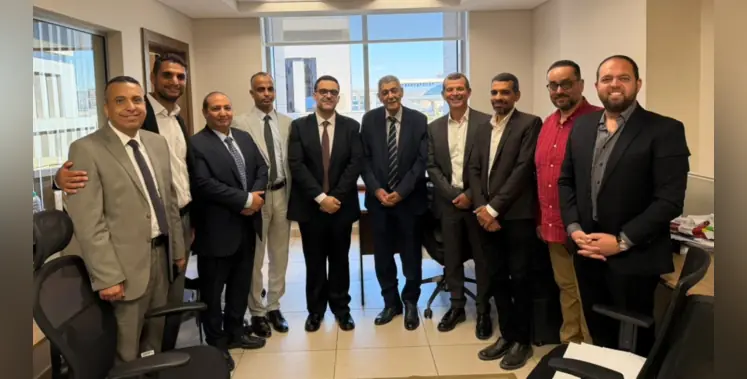
GE Vernova Inc. has officially announced a new services agreement aimed at providing Rotor Life Extension (RLE) solutions for five of its 9F gas turbines in Egypt.
GE Vernova secures deal to extend Egypt turbines
GE Vernova Inc. has officially announced a new services agreement aimed at providing Rotor Life Extension (RLE) solutions for five of its 9F gas turbines in Egypt.
This comprehensive project actively supports the overall rotor lifecycle by thoroughly utilising GE Vernova’s vast technical expertise to determine the full residual life of various components.
“This agreement reflects EEHC’s continued focus on preserving the long-term performance and reliability of important generation assets across our fleet,” said Eng. Gaber El-Desouki, Chairman of the Board of Directors & CEO, Egyptian Electricity Holding Company (EEHC). “By working with GE Vernova and our generation companies, we are taking practical and proactive steps that can help protect strategic assets, support efficient and reliable power production, and contribute to Egypt’s broader electricity and energy objectives.”
The sentiment is echoed by other key stakeholders who recognise the operational value of maintaining current infrastructure rather than pursuing expensive overhauls.
“Extending the life of these gas turbines across our generation companies is expected to support grid stability and the continued availability of dispatchable power, while helping us increase the value of existing infrastructure and avoid premature, capital-intensive replacement,” said Eng. Mahmoud Al-Naqeeb, Full-time Board Member for Electricity Production Companies Affairs.
A Legacy of Strategic Collaboration
This agreement underscores the robust, ongoing collaboration between GE Vernova, the EEHC, and its various generation affiliates.
By continuously reinforcing its role in meeting the nation's energy demands through advanced technology, GE Vernova is helping ensure that Egypt remains well-powered for decades to come.
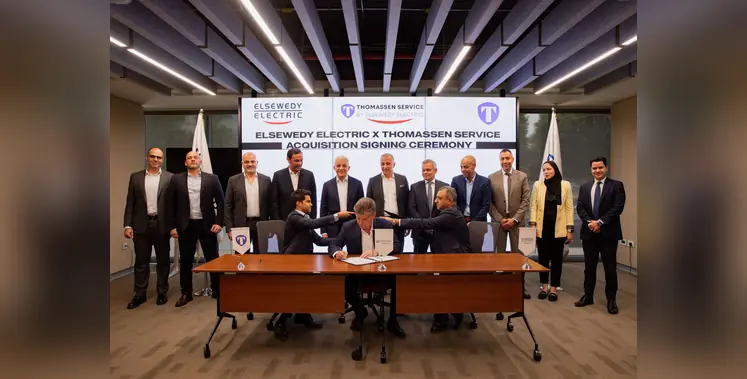
Elsewedy Electric acquires a 60% stake in UAE's Thomassen Service, boosting Middle East gas turbine maintenance.
Elsewedy Electric acquires a 60% stake in UAE's Thomassen Service
Across the Arabian Gulf and the wider Middle East, power generation and industrial development continue to scale rapidly in line with national economic diversification and energy transition goals.
As regional demand for reliable energy infrastructure accelerates, maintaining these complex power generation systems has become paramount for continued growth. Responding directly to this escalating regional demand, Elsewedy Electric, a leading integrated provider of energy and infrastructure solutions operating across Europe, the Middle East, and Africa, has formally announced a strategic acquisition. The firm has successfully acquired a 60% majority stake in UAE-based Thomassen Service, a highly specialised provider known for its gas turbine maintenance and repair services. The announcement, formalised in Riyadh, Kingdom of Saudi Arabia in September 2026, signals a major shift in the regional energy supply chain by consolidating vital maintenance expertise closer to the point of need.
The official agreement was signed by Eng. Ahmed Elsewedy, CEO and Managing Director of Elsewedy Electric, and Eng. Peter Hertog, CEO of Thomassen Service. The formal signing ceremony took place in the presence of Mr. Sadek Elsewedy, Chairman, alongside senior leadership representatives from both organisations.
Historically, maintaining high-performance gas turbines in the region often required significant reliance on overseas facilities for complex maintenance. This acquisition is expected to significantly enhance the company’s ability to deliver high-quality, localised services directly across the region. Supported by Thomassen Service’s quarter-century of technical expertise, Elsewedy Electric expects to mitigate these historical logistical challenges.
Leadership perspectives on sector growth
The strategic alignment between the two firms underscores a mutual ambition for global expansion and technical excellence within the utilities sector.
Eng. Ahmed Elsewedy, CEO and Managing Director of Elsewedy Electric, commented: “This acquisition marks an important step in strengthening our technical capabilities and expanding the value we deliver to our customers across the Middle East, Africa, Europe and the Far East. By combining Thomassen Service’s specialized expertise with our integrated project capabilities, we are well positioned to meet the evolving needs of the energy sector.”
Eng. Peter Hertog, CEO of Thomassen Service, said: “Joining Elsewedy Electric opens significant opportunities to scale our operations and extend our reach into new markets. We are proud to become part of a group that shares our commitment to quality, innovation, and customer focus.”
Future outlook and industry impact
Looking ahead, Thomassen Service is set to benefit heavily from Elsewedy Electric’s financial strength, expansive regional footprint, and integrated engineering and construction ecosystems. This support aims to facilitate its expansion into high-growth markets and reinforce its position within the global energy services landscape.
Project Qatar
Venue:
Doha Exhibition and Convention Centre
Dates:
29 May - 01 June 2023
Website:
