






In The Spotlight
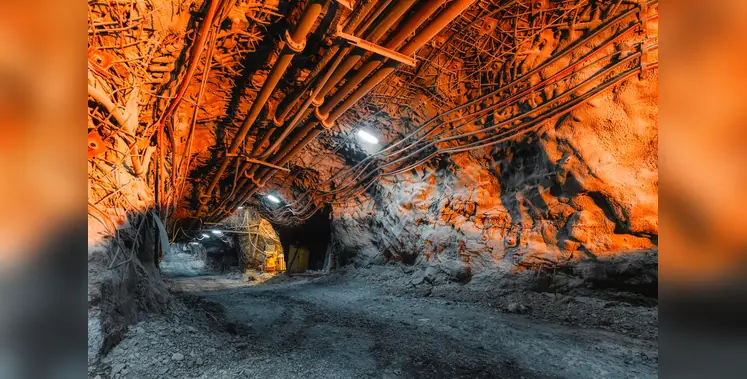
Aramco and Ma’aden have officially signed a shareholders’ agreement to establish a joint venture aimed at unlocking significant new frontiers for mineral exploration and hard-rock mining across the Kingdom of Saudi Arabia.
Aramco and Ma'aden form mineral exploration joint venture
Aramco and Ma’aden have officially signed a shareholders’ agreement to establish a joint venture aimed at unlocking significant new frontiers for mineral exploration and hard-rock mining across the Kingdom of Saudi Arabia.
This strategic collaboration, which was first disclosed in January 2025, represents a landmark effort to integrate Aramco’s advanced technical capabilities with Ma’aden’s extensive mining expertise to bolster the global energy transition value chain.
The newly formed entity is expected to be owned 51% by Ma’aden and 49% by Aramco. Its primary mandate is to focus on exploration activities within ‘Zone-4’, an area frequently referred to as the Transition Zone. Situated along the Arabian Platform, this exploration region covers approximately 182,000 square kilometres—an area equivalent to nearly 10% of the total land mass of Saudi Arabia.
Pioneering Exploration through Advanced Technology
The joint venture intends to leverage a combination of historical geological data and cutting-edge computational tools. By utilising high-performance computing and proprietary artificial intelligence algorithms, the partnership aims to identify areas with high potential for copper and other critical transition minerals. This approach is designed to streamline the transition from initial regional screening to definitive target discovery.
Saleh M. Al Saleh, Aramco Vice President of Transition Minerals, highlighted the extensive data foundation underpinning the project: “Over 90 years, Aramco has accumulated and analysed the largest amount of geological and geophysical data ever acquired in a single basin for the Kingdom. This partnership intends to leverage this legacy information to find minerals in the JV area within the basin. Maaden's expertise, our people, high-performance computing, and AI are expected to play a pivotal role in accelerating the discovery of key transition minerals at low cost.”
Strengthening the Global Energy Transition
The global demand for copper is experiencing rapid growth, largely driven by the increasing shift toward electric vehicles, advanced power networks, energy storage solutions, and renewable energy infrastructure. Currently, copper represents over 20% of the $1.2 trillion mined metals market. With the market valuation projected to climb from approximately $250 billion today to over $400 billion by 2035, the strategic importance of this joint venture cannot be understated.
In addition to copper, the exploration efforts will target other essential minerals, including zinc, lead, and various rare earth elements that are anticipated to be fundamental to the industries of the future.
Darryl Clark, Ma’aden Executive Vice President for Exploration, emphasised the scale of the ambition: “Maaden has been advancing one of the world's largest single jurisdiction exploration programs across the Arabian Shield to help unlock the Kingdom's mineral potential. This joint venture would take that ambition into a new area. By combining Maaden's exploration and development expertise with Aramco's extraordinary knowledge of the Arabian Platform, we would have an opportunity to move faster, explore smarter, and create new opportunities to discover the minerals that will power the energy transition.”
Regulatory Path Ahead
While the agreement marks a significant milestone, the incorporation of the joint venture remains subject to several conditions. The effectiveness of the shareholders’ agreement is contingent upon the successful fulfillment of various conditions precedent, including obtaining all necessary corporate and regulatory approvals, as well as securing standard antitrust clearances.
By combining the operational strengths of two of the Kingdom’s most prominent organisations, the JV aims to reinforce Saudi Arabia’s role as a key player in the global minerals sector, ensuring a more resilient supply chain for the energy systems of tomorrow.
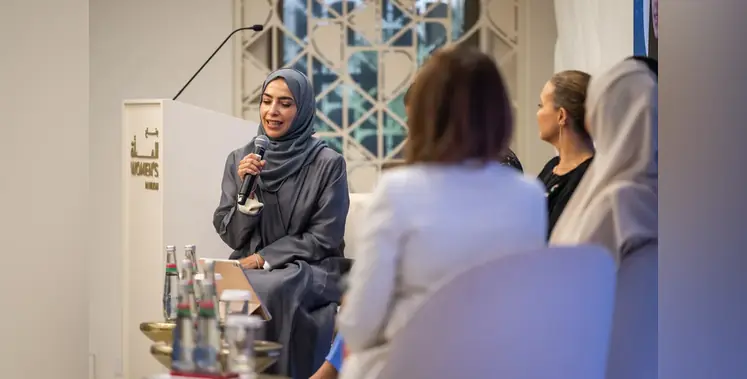
The Women’s Pavilion at Expo City Dubai is set to host a landmark gathering titled "Her Nation, Her Strength" to mark Emirati Women’s Day 2026.
Celebrating female leadership and resilience in the UAE
The United Arab Emirates has long drawn foundational strength from the enduring resilience of its women.
As the country navigates rapid global transformation, the role of female leadership in sustaining the nation through its defining moments has never been more evident. Embracing this legacy, the Women’s Pavilion at Expo City Dubai is set to host a landmark gathering titled "Her Nation, Her Strength" to mark Emirati Women’s Day 2026. The prestigious programme spotlights the extraordinary women who carried immense responsibility during times of national challenge, underscoring their contribution to the country's progress.
Organised in exclusive partnership with Emirates NBD and Damas Jewellery, the highly anticipated event will take place at the Connect Conference Centre. By taking a topic-first approach that explores the broader narrative of national resilience, the event transcends mere celebration; it acts as a crucial platform for exploring the lived experiences of pioneering women. The meticulously curated agenda brings together prominent leaders from diverse sectors—including government, healthcare, education, technology, community services, and civil society—to share the lasting lessons that continue to shape their lives and their approaches to leadership today.
Leading Through Uncertainty and High-Pressure Challenges
One of the core themes of the upcoming programme revolves around the complex dynamics of decision-making during crises. When a nation faces unprecedented challenges, the operational systems in place are tested, but it is ultimately the human element that determines the outcome. As the core philosophy of the event profoundly notes, "In moments of national uncertainty, institutions matter, but it is people who make the decisions."
To explore this concept, the event features a curated panel titled ‘Leading Under Pressure’. This critical segment delves into the harsh realities and fortitude required to guide organisations through turbulent periods. Moderated by Marjan Faraidooni, Chief People Officer and Chief of Education and Culture at Expo City Dubai, the panel boasts an impressive roster of highly accomplished speakers. Distinguished panellists include Dr Ayesha Almemari, Consultant in Emergency Medicine and Critical Care at Sheikh Shakhbout Medical Centre; Iman Al Omrani, Chief Digital Advisor at Amazon Web Services; and Noor Al Geziry, Associate Vice President of MENA and Special Projects at the Dubai Department of Economy and Tourism. Through their professional lenses, these leaders will unpack the precise resilience that leadership demanded of them when stakes were at their highest.
Honouring the Silent Pillars of the Community
While the spotlight frequently shines on high-profile corporate and governmental leaders, the true backbone of national resilience is often found in the daily, unwavering dedication of those operating on the ground. A comprehensive understanding of the nation's strength requires deeply acknowledging the collective efforts of women across all echelons of society. Addressing this vital truth, the programme highlights that, "While some women lead institutions through crisis, countless others sustain the nation through daily work in classrooms, clinics, communities and homes."
This poignant recognition forms the basis of the second panel discussion, beautifully titled ‘The Hands That Hold Us’. Moderated by Yasmin Baker, Senior Manager at the Expo City Dubai Foundation, the conversation shifts focus to the foundational sectors of education, grassroots initiatives, and direct patient care. Featured speakers for this dialogue include:
- Samira Al Awadhi: Principal at Al Mawakeb School Al Khawaneej, representing the crucial role of educators in shaping the next generation.
- Bedour AlRaqbani: Founder and CEO of Maseer Initiatives, exemplifying the incredible power of community-driven leadership.
- Asma Darwish Al Mesmari: Assistant Director of Nursing at Sheikh Khalifa Medical City, highlighting the tireless, empathetic dedication of frontline healthcare workers.
A Lasting Legacy of Empowerment and Growth
The "Her Nation, Her Strength" initiative, welcoming guests with opening remarks from Maha Gorton, Head of the Women’s Pavilion, is far more than an annual observance. It is a powerful testament to the multifaceted nature of female empowerment within the United Arab Emirates. By bringing together diverse voices, the event paints a comprehensive picture of modern Emirati womanhood.
Ultimately, Expo City Dubai continues to cement its reputation as a leading hub for forward-thinking discourse. Through this programme, the Women’s Pavilion honours the contributions of Emirati women and lays a robust, inspiring framework for young girls who will eventually take up the mantle of leadership.
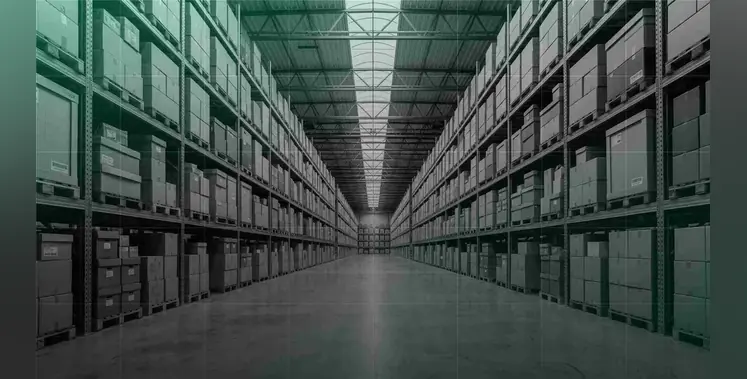
Dubai-based AI start-up has successfully automated over 90% of customer orders and inquiries for these traditional sectors.
The 90% AI automation milestone in MENA
The integration of artificial intelligence across the Middle East and North Africa (MENA) is rapidly moving beyond digital-first sectors and into the heavy, operational world of physical industries.
Historically, sectors such as manufacturing, logistics, construction, and industrial supply chains have relied on deeply traditional, manual processes to manage client relations. However, a seismic shift is underway. The broader narrative of digital transformation in the region has reached a pivotal juncture, highlighted by the recent announcement that a pioneering Dubai-based AI start-up has successfully automated over 90% of customer orders and inquiries for these traditional sectors.
This milestone represents a fundamental reimagining of how physical industries operate in a modern, hyper-connected economy. By prioritising intelligent automation, businesses in the MENA region are setting a new standard for operational resilience.
The Evolution of the MENA Tech Ecosystem
The MENA region, with Dubai at its epicentre, has spent the last decade cultivating an environment designed to foster deep tech innovation. Through government-backed initiatives, vast technology parks, and a regulatory landscape that encourages experimentation, the Emirate has positioned itself as a global laboratory for artificial intelligence.
Whilst early AI adoption predominantly focused on consumer-facing e-commerce and financial technology, the current wave of innovation is penetrating the foundational sectors of the economy. Physical industries—dealing with the production, movement, and storage of tangible goods—have often been the slowest to adopt customer-facing automation. This reluctance stems from the complexity of their supply chains and the bespoke nature of their client inquiries. By focusing on these historically underserved sectors, Dubai proves its technological ambitions extend far beyond superficial digital applications.
Overcoming Challenges in Physical Industries
For decades, organisations operating within physical industries have faced significant bottlenecks in their customer service and order processing departments.
- Complex Order Structures: Unlike retail purchases, industrial orders involve complex specifications, variable pricing, and intricate delivery logistics.
- Manual Processing: Customer inquiries require human intervention to cross-reference inventory, manufacturing timelines, and shipping availability, leading to heavy administrative burdens.
- Delayed Response Times: The reliance on manual coordination across disparate departments results in delayed responses, directly impacting client satisfaction and slowing the supply chain.
The introduction of domain-expert AI systems directly addresses these systemic inefficiencies. By deploying intelligent agents capable of understanding the nuances of industrial orders, companies can now bypass the traditional silos that have long hindered their growth.
The 90% Automation Threshold
The recent breakthrough by a Dubai-based start-up—achieving an automation rate of over 90% for customer orders and inquiries—serves as a watershed moment for the region. Reaching this threshold indicates that AI systems are no longer functioning merely as rudimentary chatbots. Instead, they are operating as comprehensive, autonomous agents capable of managing the vast majority of client interactions from inception to resolution.
Achieving a 90% automation rate requires an AI infrastructure that can intelligently parse complex data, autonomously verify inventory, process technical industrial inquiries, and seamlessly integrate with existing enterprise resource planning (ERP) systems. For physical industries in the MENA region, this translates to unprecedented scalability. Human workforces are freed from the burden of repetitive, manual order entry and can instead be reallocated to higher-value tasks such as strategic relationship management and complex problem-solving.
Shaping the Future of Industrial Operations
As this technology matures, the implications for the broader MENA economy are profound. The ability to automate routine inquiries allows physical industries to operate with the agility typically associated with software companies. Furthermore, it significantly optimises labour allocation. Instead of relying on expansive administrative teams to manually input data, companies can streamline their operational expenditures. This transition is essential for the region's broader economic diversification goals, ensuring foundational industries remain globally competitive.
This automation initiative highlights a critical evolution in the technological landscape. It demonstrates that the future of artificial intelligence in the MENA region lies not just in the digital realm, but in its ability to revolutionise the physical world. By automating the crucial intersection between industrial operations and customer service, Dubai is setting a new global standard for operational excellence.
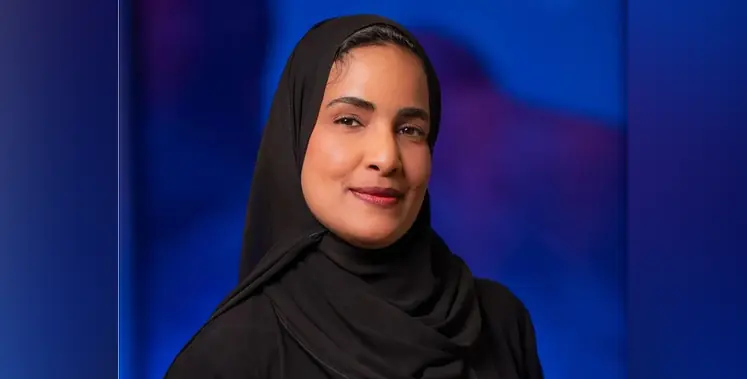
The Special Economic Zone at Duqm is launching the 2026 Duqm Summer Series.
Closing the AI confidence gap at work
The rapid integration of artificial intelligence into the modern workforce has shifted the global conversation from hypothetical disruptions to daily operational realities.
Around the world, organisations are deploying intelligent systems and robotics to streamline workflows and drive efficiency. However, a more nuanced challenge is coming into focus. While basic access to generative tools is becoming equitable, the deeper metrics of workplace confidence, daily engagement, and perceived productivity returns reveal a stark divide. Addressing this hidden gap has become a priority for businesses seeking to harness their human capital in a shifting digital economy.
Confidence vs Capability in the Workplace
Recent data from the Pew Research Centre highlights this evolving dynamic. In just two years, women have almost completely closed the foundational usage gap. Today, 47 percent of women utilise AI chatbots, trailing the 50 per cent adoption rate among men by a narrow margin. Yet, this surface-level parity masks deeper discrepancies. Statistics indicate that 27 per cent of men engage with chatbots daily, compared to 20 per cent of women. Furthermore, 40 per cent of employed men rely on these tools for work, edging out the 35 per cent of women who do the same.
The most significant disparity lies in the perception of productivity and workplace confidence. Thirty-five per cent of men report that intelligent systems make them more productive, while only 25 per cent of women share that sentiment. Moreover, a mere 15 per cent of women describe themselves as very confident when using AI tools, lagging behind the 22 per cent of men expressing high confidence. This hesitation reflects genuine concerns regarding the rapid pace of development. Research shows that 68 per cent of women believe AI is evolving too quickly, raising legitimate questions regarding who holds influence when these systems are deployed across various industries.
Shaping the Systems of Tomorrow
To overcome this challenge, businesses and educational institutions must reconsider how they integrate technology. The true benefit of artificial intelligence stems not merely from having access to a platform, but from possessing the necessary understanding to scrutinise outputs, frame superior queries, and challenge inaccurate results. When equal adoption rates conceal unequal returns, the solution lies in empowering the workforce to take an active role in shaping the systems they rely on daily.
Hanan Al Siyabi, an organiser representing the Special Economic Zone at Duqm, articulated this imperative clearly: "AI is often presented to employees as something already decided. A new tool arrives with an expectation that people will adapt to it. Those expected to use the system may have had little say in the problem it was built to solve. Increasing the number of women using AI is only part of the work. Women also need the confidence to test it and the authority to question how it is used."
The Duqm Summer Series: Empowering Women in Tech
To foster this essential dialogue and confront these disparities directly, the Special Economic Zone at Duqm is launching the 2026 Duqm Summer Series. The programme opens with a flagship session titled “Intelligent Machines”, scheduled for Sunday 23 August at 7:30 pm at the Crowne Plaza Duqm. Rather than relying on imported consultancy, the event leverages local expertise to run an actionable AI literacy programme tailored for the regional workforce.
The inaugural session brings together four distinguished Omani women actively driving advancements across computer science, data ecosystems, and intelligent systems. The panel will feature:
- Dr Fatima Al Raisi: Department of Computer Science at Sultan Qaboos University
- Amna Al Sinani: Future Data
- Beylasan Al Ruzaiqi: Onsor
- Dr Aziza Al Zadjali: Star Labs
Together, they will explore how artificial intelligence is transitioning into physical machinery and discuss the broader implications for the public and private sectors in Oman.
The “Intelligent Machines” panel serves as the foundation for a broader three-evening series. Running until 25 August, the initiative will feature twelve leading speakers from business, academia, and government. By grounding these critical conversations in the lived experiences of successful professionals, the Duqm Summer Series aims to ensure that women are fully equipped to participate in, and lead, the transformative changes sweeping through the modern workplace.
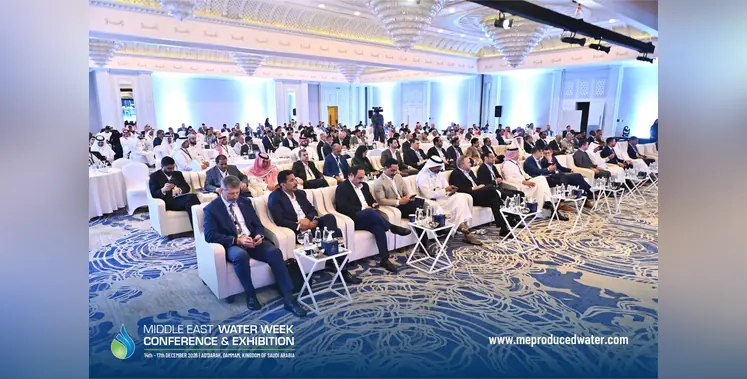
The Produced Water Society is set to convene industry executives, environmental experts, and public servants for the highly anticipated Middle East Water Week Conference and Exhibition.
Shaping circular water economies at Middle East Water Week 2026
The strategic management of produced and industrial water has transitioned from a routine operational task to a critical global priority.
High-salinity operations present unique ecological challenges, particularly where resource conservation is paramount. Addressing this pressing imperative, the Produced Water Society is set to convene industry executives, environmental experts, and public servants for the highly anticipated Middle East Water Week Conference and Exhibition. Scheduled in Al-Khobar from 14th to 17th December 2026, the event promises to shape integrated water strategies, focusing on produced water, industrial water, and advanced treatment solutions.
Marking the 10th anniversary of its Middle East chapter, the summit arrives at a watershed moment for the global energy landscape. This year's overarching focus is driven by the theme, “One Water, One Strategy: Redefining Produced and Industrial Water in the Middle East,” an initiative seeking to bring together global experts, industry leaders, and innovators. Rather than treating different wastewater streams as isolated challenges, the conference advocates for a strategic convergence, positioning all water into a single, unified national resource strategy.
Transitioning to Circular Water Economies
A significant focus of the 2026 agenda is the necessary shift away from traditional disposal methods towards progressive circular water economies. In particular, discussions will heavily prioritise Direct Lithium Extraction (DLE) and industrial water valorisation. By treating high-salinity brine and produced water as lucrative assets rather than liabilities, operators can simultaneously reduce their environmental footprint and unlock new economic value.
These critical enablers of the circular economy will be thoroughly examined alongside emerging treatment technologies. The objective is to equip attendees with knowledge to maximise operational efficiency and mitigate environmental impacts inherent in intensive industrial operations.
Three Pillars of Industry Transformation
To ensure a comprehensive exploration of these complex topics, the event’s technical sessions, strategic discussions, and in-depth case studies are meticulously structured around three core pillars:
- Treatment Technologies and Operational Solutions: Experts will highlight cutting-edge advancements in treating produced water. This includes deploying modular offshore and onshore systems, novel separation methods, and developing eco-friendly chemicals with proven success in active field deployments.
- Sustainability, Reuse, and Environmental Strategy: A dedicated focus on ecological responsibility will explore circular water economies and Zero Liquid Discharge (ZLD) systems. Sessions will delve into advanced oilfield brine management, navigating complex regulatory compliance, and practically integrating Environmental, Social, and Governance (ESG) metrics for global energy operations.
- Economics, Risk Management, and Policy: Balancing environmental liability with economic feasibility remains a critical hurdle. This pillar will analyse lifecycle costs, explore return-on-investment (ROI) modelling for digital water systems, and establish robust decision-making frameworks based on quantitative risk assessments.
Expanding Commercial Opportunities in Dammam
Beyond the strategic discussions, the Al-Khobar conference will be enhanced by an expansive exhibition space. This vital platform for knowledge exchange empowers technology providers to present their latest solutions directly to key decision-makers. Exhibitors are afforded a unique opportunity to place themselves at the absolute forefront of industry innovation, gaining immediate market feedback while establishing powerful new commercial connections and strengthening existing customer relationships in Dammam and beyond.
To further support industry collaboration, the event features tiered sponsorship options—including Diamond, Platinum, Gold, Silver, and Gala Dinner packages. These commercial tiers offer strategic advantages such as prime booth placement, press kit releases, full-page colour advertisements, VIP access, and discounted delegate registration.
The Middle East Water Week represents a pivotal gathering for those committed to redefining the intersection of energy production and environmental stewardship. By fostering a collaborative environment, the exhibition ensures that stakeholders can transition from theoretical sustainability models to actionable, technologically advanced solutions, fundamentally altering the trajectory of the water industry.
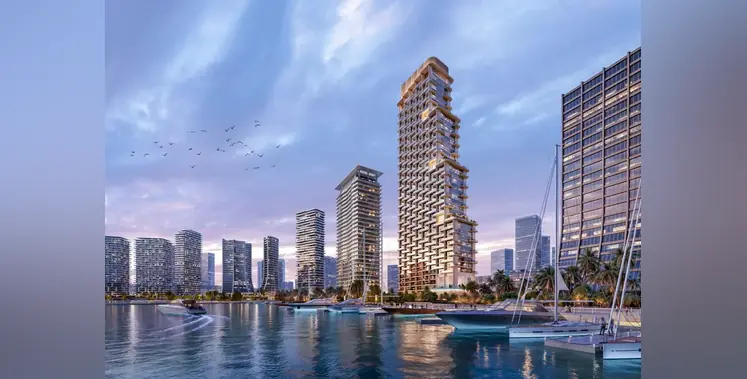
Meraas has officially commenced ground works for its latest landmark project, Atélis at d3.
Meraas breaks ground at Atélis at d3
The global pursuit of integrated urban living has redefined how major cities approach property development.
Modern residents are increasingly seeking more than just luxury; they demand a harmonious blend of creativity, connectivity, and natural surroundings.
In Dubai, this shift is particularly evident as districts once synonymous solely with commerce and professional activity are transforming into multifaceted, 24-hour lifestyle destinations. This evolution is central to the city’s long-term vision, where the convergence of design, culture, and community has become a primary driver of high-end real estate demand.
The Dubai Design District (d3) has historically stood as the region’s premier hub for creativity and innovation. However, as the urban landscape matures, the challenge for developers has been to introduce residential infrastructure that respects the district’s unique creative identity while providing the comforts of contemporary waterfront living. The answer lies in master-planned expansions that leverage green corridors, pedestrian-first infrastructure, and architectural designs that echo the local environment. By embedding residential towers into an established commercial ecosystem, developers are creating environments where the lines between work, leisure, and home are seamlessly integrated.
Central to this transformative strategy is Meraas, a member of Dubai Holding Real Estate. As part of its commitment to advancing the ambitions of the Dubai Economic Agenda D33, Meraas has been systematically executing a vision to establish d3 as a global benchmark for design-focused urban living. This progress is underscored by the sustained popularity of its recent residential offerings, which have seen exceptional market performance and rapid absorption by buyers seeking long-term investment opportunities in central locations.
Building on this momentum, Meraas has officially commenced ground works for its latest landmark project, Atélis at d3. The company announced that it has awarded the ground works contract for the project to International Foundation Group. According to Meraas, the contract encompasses a comprehensive scope of work, including “comprehensive site preparation, excavation, soil improvement, dewatering, and the design and construction of shoring and piling works.” These essential activities serve as the foundation for the subsequent phases of construction, ensuring the site is fully prepared for the rise of what is set to be a significant addition to the Dubai skyline.
Designed by the internationally-renowned architectural practice Skidmore, Owings & Merrill (SOM), Atélis at d3 is envisioned as a 45-storey residential landmark. The tower’s design is particularly notable for its “elegant, petal-inspired balconies inspired by flowers native to the UAE desert,” a feature that bridges modern aesthetic values with local heritage. Once completed, the development will provide a collection of one- to four-bedroom apartments, complemented by exclusive penthouses. Residents will enjoy panoramic views of the Dubai Creek and the iconic city skyline, further cementing the tower’s status as a premium residential address.
Beyond its architectural prominence, Atélis is designed to reflect the creative character of its surroundings. A company spokesman noted that “residents will have access to three levels of premium amenities, including wellness facilities, co-working spaces, and communal areas reflecting d3’s creative character.” By offering these curated spaces, the project supports the broader objective of fostering an environment where creativity, entrepreneurship, and luxury living converge.
As work continues on-site, the development stands as a testament to the ongoing evolution of the Dubai Design District. By transforming a commercial hub into a vibrant waterfront neighbourhood, Meraas is not only meeting the demand for high-end housing but is also setting a new standard for how professional creative districts can evolve into fully integrated, human-centric communities.
The Middle East Event Show (MEES) 2026 is set to return to the emirate of Dubai, marking a defining moment for the regional events sector.
MEES 2026 returns to Dubai to shape the next era of events
The Middle East Event Show (MEES) 2026 is set to return to the emirate of Dubai, marking a defining moment for the regional events sector.
Scheduled to take place from the 18th to the 19th of August at the Sheikh Maktoum Hall in the Dubai World Trade Centre (DWTC), the gathering is anticipated to attract more than 6,000 event professionals. As the industry looks towards the future with renewed confidence, MEES serves as the anchor event for the region, bringing together organisers, suppliers, venues, creative agencies, and corporate decision-makers to reconnect, unlock opportunities, and definitively shape what comes next.
Navigating Disruption and High-Pressure Dynamics
In recent years, the events ecosystem has absorbed significant disruption, forcing businesses to adapt rapidly to shifting market dynamics. Today, the industry faces a unique set of challenges that extend far beyond traditional logistics. Chief among these is the rapid integration of artificial intelligence into event planning and execution. Professionals are actively debating whether events might be technology’s biggest blind spot, or if AI can be seamlessly harnessed to enhance live experiences without losing the essential human touch.
Furthermore, the sector is grappling with profound human-centric issues. The notoriously high-pressure nature of event production has sparked vital conversations around mental wellbeing, workplace resilience, and the future viability of freelance professionals who form the critical backbone of the industry. Addressing these hurdles requires honest dialogue, structural changes, and practical solutions tailored to the evolving commercial needs of the modern market, ensuring that revenue innovation does not come at the cost of widespread workforce burnout.
Dubai as the Hub for Q4 Commercial Acceleration
To address these complex challenges, MEES 2026 offers a concentrated platform for professional development and strategic alignment. The event’s positioning in mid-August is highly deliberate. Arriving at the close of Dubai’s quieter summer travel window and immediately preceding the intensive Q4 event season, MEES acts as a vital strategic launchpad. For event agencies operating across the Middle East and North Africa (MENA), this specific period is absolutely crucial for initiating Q4 budget conversations at the client level and securing competitive advantages.
By functioning as a strictly trade-only Business-to-Business (B2B) exhibition, MEES guarantees a highly qualified audience. The platform allows agencies to engage in serious deal-making, refresh commercial agreements, and finalise which technology partners, venues, and creative studios they will include in their upcoming proposals. Supported by Dubai Business Events, the emirate’s official meetings bureau, the wider Dubai MICE (Meetings, Incentives, Conferences, and Exhibitions) ecosystem provides an ideal backdrop for this commercial acceleration. While anchored in Dubai, the exhibition successfully draws stakeholders from across Saudi Arabia, Qatar, Bahrain, Kuwait, Egypt, and the Levant, ensuring a truly comprehensive regional perspective.
Informa Connect Announces a Comprehensive Programme
Informa Connect, the official organiser of MEES, has structured the 17th edition to act as a crucial reset point for the industry. Under the guiding pillars of "Reconnect, Rebuild, and Move Forward," the organisation has announced a comprehensive agenda designed to deliver actionable insights. The 2026 exhibition floor will feature over 100 solution providers showcasing the very latest event technologies and bespoke support services.
Alongside the main exhibition, Informa Connect will host more than 35 free-to-attend seminar sessions and introduce a new Workshop Zone focused on practical skills in AI, Environmental, Social, and Governance (ESG) criteria, and creative strategy. Over 60 regional and global industry leaders will guide these sessions, focusing on essential topics such as revenue innovation, commercial growth, and building lasting resilience as the new standard for the global industry.
Following the two-day exhibition, the extensive programme will culminate on the 20th of August with the prestigious Middle East Event Awards. Held at the Madinat Arena within Madinat Jumeirah, the gala will celebrate the exceptional people, projects, and partnerships that are currently driving the region's events industry forward. Through this highly curated programming, Informa Connect continues to equip specialists with the vital knowledge and commercial connections they desperately need to thrive in a highly competitive market environment.