The rapid integration of artificial intelligence into the modern workforce has shifted the global conversation from hypothetical disruptions to daily operational realities.
Around the world, organisations are deploying intelligent systems and robotics to streamline workflows and drive efficiency. However, a more nuanced challenge is coming into focus. While basic access to generative tools is becoming equitable, the deeper metrics of workplace confidence, daily engagement, and perceived productivity returns reveal a stark divide. Addressing this hidden gap has become a priority for businesses seeking to harness their human capital in a shifting digital economy.
Confidence vs Capability in the Workplace
Recent data from the Pew Research Centre highlights this evolving dynamic. In just two years, women have almost completely closed the foundational usage gap. Today, 47 percent of women utilise AI chatbots, trailing the 50 per cent adoption rate among men by a narrow margin. Yet, this surface-level parity masks deeper discrepancies. Statistics indicate that 27 per cent of men engage with chatbots daily, compared to 20 per cent of women. Furthermore, 40 per cent of employed men rely on these tools for work, edging out the 35 per cent of women who do the same.
The most significant disparity lies in the perception of productivity and workplace confidence. Thirty-five per cent of men report that intelligent systems make them more productive, while only 25 per cent of women share that sentiment. Moreover, a mere 15 per cent of women describe themselves as very confident when using AI tools, lagging behind the 22 per cent of men expressing high confidence. This hesitation reflects genuine concerns regarding the rapid pace of development. Research shows that 68 per cent of women believe AI is evolving too quickly, raising legitimate questions regarding who holds influence when these systems are deployed across various industries.
Shaping the Systems of Tomorrow
To overcome this challenge, businesses and educational institutions must reconsider how they integrate technology. The true benefit of artificial intelligence stems not merely from having access to a platform, but from possessing the necessary understanding to scrutinise outputs, frame superior queries, and challenge inaccurate results. When equal adoption rates conceal unequal returns, the solution lies in empowering the workforce to take an active role in shaping the systems they rely on daily.
Hanan Al Siyabi, an organiser representing the Special Economic Zone at Duqm, articulated this imperative clearly: "AI is often presented to employees as something already decided. A new tool arrives with an expectation that people will adapt to it. Those expected to use the system may have had little say in the problem it was built to solve. Increasing the number of women using AI is only part of the work. Women also need the confidence to test it and the authority to question how it is used."
The Duqm Summer Series: Empowering Women in Tech
To foster this essential dialogue and confront these disparities directly, the Special Economic Zone at Duqm is launching the 2026 Duqm Summer Series. The programme opens with a flagship session titled “Intelligent Machines”, scheduled for Sunday 23 August at 7:30 pm at the Crowne Plaza Duqm. Rather than relying on imported consultancy, the event leverages local expertise to run an actionable AI literacy programme tailored for the regional workforce.
The inaugural session brings together four distinguished Omani women actively driving advancements across computer science, data ecosystems, and intelligent systems. The panel will feature:
- Dr Fatima Al Raisi: Department of Computer Science at Sultan Qaboos University
- Amna Al Sinani: Future Data
- Beylasan Al Ruzaiqi: Onsor
- Dr Aziza Al Zadjali: Star Labs
Together, they will explore how artificial intelligence is transitioning into physical machinery and discuss the broader implications for the public and private sectors in Oman.
The “Intelligent Machines” panel serves as the foundation for a broader three-evening series. Running until 25 August, the initiative will feature twelve leading speakers from business, academia, and government. By grounding these critical conversations in the lived experiences of successful professionals, the Duqm Summer Series aims to ensure that women are fully equipped to participate in, and lead, the transformative changes sweeping through the modern workplace.
Closing the AI confidence gap at work
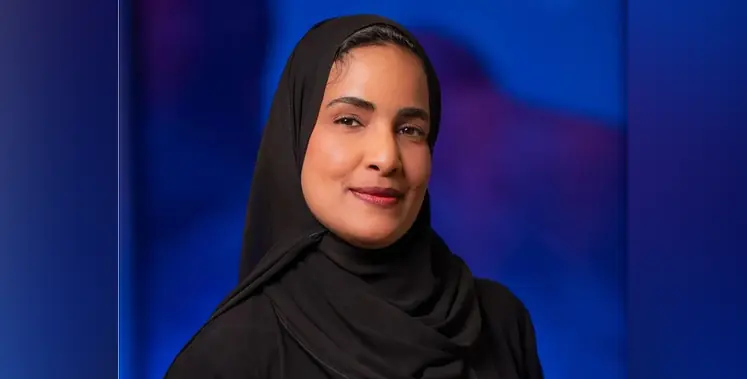
The Special Economic Zone at Duqm is launching the 2026 Duqm Summer Series.