Dubai, renowned globally for its futuristic skyline and rapid urban development, is increasingly placing its rich cultural heritage at the centre of its tourism strategy.
As millions of passengers transit through the emirate each year, local authorities are ensuring that the story of the city’s past is not lost amidst its modern marvels. In a striking celebration of Emirati history, Dubai Municipality has introduced a unique cultural initiative, welcoming the world through Dubai's historic doors at Dubai International Airport.
The broader focus on cultural preservation reflects a growing recognition that historical identity is a vital component of sustainable urban development. Before the discovery of oil and the subsequent architectural boom, Dubai was a thriving trading port. The remnants of this era, particularly the intricate traditional architecture found in the Al Fahidi Historical Neighbourhood and along the Dubai Creek, offer a glimpse into a time when craftsmanship and community were paramount. The traditional doors of Dubai, often crafted from robust teak or rosewood and adorned with heavy brass studs and intricate carvings, are emblematic of this era. They were not merely functional barriers but symbols of a family's social standing, hospitality, and heritage.
The Cultural Significance of Traditional Architecture
In traditional Emirati society, a door was the ultimate threshold of hospitality. The intricate geometric patterns and floral motifs carved into these wooden facades told stories of maritime trade routes, connecting the Arabian Peninsula with India and East Africa. By preserving these artefacts, Dubai Municipality is protecting a tangible link to the city's ancestry.
The initiative to showcase these historic doors at one of the world's busiest aviation hubs serves a dual purpose. Firstly, it champions the meticulous conservation efforts spearheaded by the architectural heritage departments within the municipality. Secondly, it provides an immediate, tactile connection to Emirati culture for international visitors from the moment they step off their flights. Rather than passing through a sterile, utilitarian terminal, travellers are greeted by towering pieces of history that invite curiosity and exploration.
Dubai Municipality's Vision at Dubai International Airport
The strategic placement of these historic doors at Dubai International Airport is a masterclass in cultural diplomacy. As a global crossroads connecting East and West, the airport manages tens of millions of travelling passengers annually. By transforming transit zones into immersive heritage exhibitions, the municipality ensures that even transient visitors leave with an appreciation for the emirate's foundational history.
The installation forms part of a wider programme designed to integrate traditional aesthetics into public spaces. Key features of this airport initiative include:
Authentic Craftsmanship: Displaying meticulously restored wooden doors that highlight traditional carving techniques, brass detailing, and historic locking mechanisms.
Global Exposure: Positioning Emirati heritage at the forefront of the international travel experience, reaching audiences who might not normally visit traditional heritage sites.
Educational Outreach: Providing contextual information alongside the installations, allowing tourists to understand the historical trade networks and cultural exchanges that shaped early Dubai.
Architectural Contrast: Creating a visually striking juxtaposition between the sleek, state-of-the-art infrastructure of the airport and the rustic, timeless beauty of ancient woodwork.
Integrating History with Urban Development
This project highlights an approach to urban planning wherein heritage is not siloed into museums but actively woven into the fabric of daily public life. The historic doors serve as a metaphor for the city itself—a gateway that honours its past while remaining open to the global community. Dubai Municipality’s efforts extend beyond mere aesthetics; they represent a steadfast commitment to ensuring the soul of the old city remains vibrant.
As the emirate continues to expand its mixed-use urban districts, the integration of historical elements remains crucial. The initiative at Dubai International Airport sets a powerful precedent for future infrastructural projects, proving that the preservation of history and the pursuit of modernisation are not mutually exclusive.
By welcoming the world through these historic doors, Dubai Municipality makes a profound statement of identity. Travellers arriving in the city are immediately reminded that beneath the modern skyline lies a deeply rooted culture, characterised by enduring craftsmanship and an age-old tradition of welcoming guests from every corner of the globe.
Dubai’s historic doors welcome the world at DXB Airport
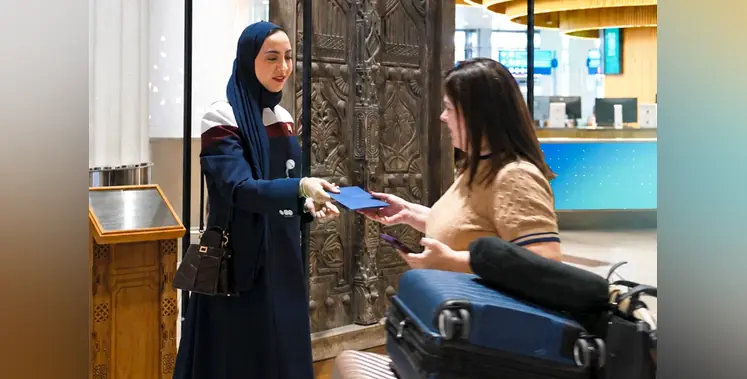
Dubai Municipality has introduced a unique cultural initiative, welcoming the world through Dubai's historic doors at Dubai International Airport.