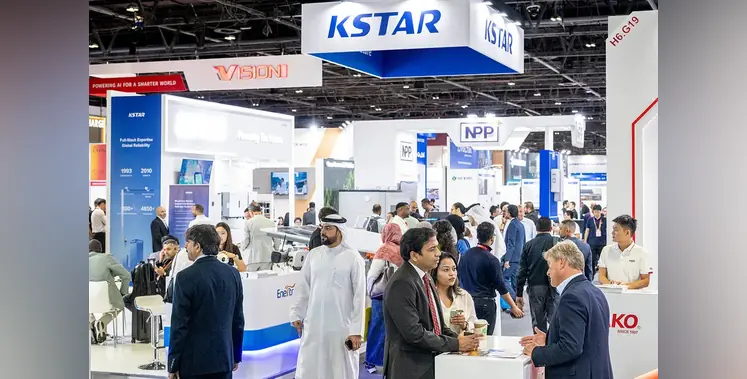
The final day of Middle East Energy 2026 in Dubai has officially brought down the curtain on a landmark three-day summit, uniting more than 1,900 energy companies from over 150 countries and roughly 35,000 industry professionals.
As the event concluded at the Dubai World Trade Centre, discussions pivoted heavily towards execution, cross-border cooperation, and actionable strategies required to accelerate the region's ongoing energy transition. With global electricity demand surging—driven largely by rapid digitalisation, industrial expansion, and the proliferation of artificial intelligence—the conversation across exhibitions and conference halls underscored an urgent mandate: transforming power infrastructure from strategic planning into tangible, large-scale delivery.
AI, digitalisation, and grid resilience
A central theme throughout the concluding sessions was the intricate intersection of advanced technology and modern power systems. As artificial intelligence data centres, smart cities, and heavy industrial applications place unprecedented loads on traditional grids, stakeholders examined innovative engineering solutions to ensure long-term stability and reliability. Industry experts emphasized that grid modernization cannot wait, requiring immediate and sustained investments in advanced software, automation, and real-time monitoring tools.
Furthermore, panel discussions explored how digital transformation optimizes energy efficiency across generation, transmission, and distribution networks. Leaders from government bodies, municipal utilities, and private enterprises noted that enhanced regional power interconnections will play a vital role in building highly resilient energy systems. These networks are uniquely positioned to handle intermittent renewable energy supplies while simultaneously safeguarding overall grid reliability and mitigating operational risks.
Scaling renewables, storage, and infrastructure
The exhibition floor served as a dynamic, interactive hub for showcasing cutting-edge electrical hardware, including high-efficiency transformers, advanced switchgear, and robust energy storage systems. Exhibitors from across the globe demonstrated how modern technological integration is revolutionizing renewable energy deployment across the Middle East. Key highlights and focal points from the exhibition floor included:
Over 1,900 global exhibitors showcasing pioneering innovations in electrical transmission, distribution, renewable generation, and critical power solutions.
Specialized co-located zones focusing extensively on battery energy storage systems (BESS), solar photovoltaic technology, and electric-vehicle charging infrastructure.
The accelerated deployment of major utility-scale solar and wind energy projects across the UAE, Saudi Arabia, and Oman, which continues to boost regional demand for high-grade electrical equipment.
Strategic framework discussions addressing the seamless integration of distributed energy resources, decentralised power grids, and advanced microgrid architectures.
Strategic collaboration and capital investment
Beyond technical equipment displays, the final day placed a strong, analytical spotlight on the financing mechanisms and regulatory policy frameworks necessary to fuel long-term infrastructure development. Financial institutions, policymakers, and engineering leaders convened in high-level closed-door sessions to align capital availability with overarching sustainable development goals.
With international commitments officially shifting from high-level climate targets to execution-focused capital deployment, participants emphasized the vital importance of robust public-private partnerships. Navigating complex supply chain resilience, securing critical mineral corridors, and streamlining regulatory approvals were universally identified as non-negotiable milestones for maintaining momentum.
Charting the path forward for regional utilities
As utilities and regulatory bodies navigate the complexities of modernizing legacy infrastructure, regional cooperation remains the cornerstone of success. Leaders at the summit stressed that shared knowledge and harmonised standards will allow Middle Eastern nations to bypass traditional developmental bottlenecks. By embracing cross-border grid links, countries can effortlessly balance peak loads, share surplus renewable generation, and stabilize energy costs across borders. This collaborative ethos not only reinforces national energy security but also positions the wider Middle East as a global leader in sustainable power management and technological innovation.
Moreover, discussions touched upon workforce readiness, highlighting the necessity of cultivating the next generation of engineers and technicians equipped to manage smart power grids. As the curtain falls on this year's edition, the overarching message from Dubai is definitive: the technological tools and robust financial frameworks required to build a sustainable, tech-driven energy future are already within reach, setting the stage for a cleaner, smarter, and more interconnected regional economy.
Middle East Energy concludes landmark Dubai Summit
The final day of Middle East Energy 2026 in Dubai has officially brought down the curtain on a landmark three-day summit, uniting more than 1,900 energy companies from over 150 countries and roughly 35,000 industry professionals.