Airlines and aviation authorities across the Middle East are adjusting operations as regional tensions and airspace restrictions continue to disrupt travel, forcing carriers to reduce schedules while governments coordinate support for affected passengers.
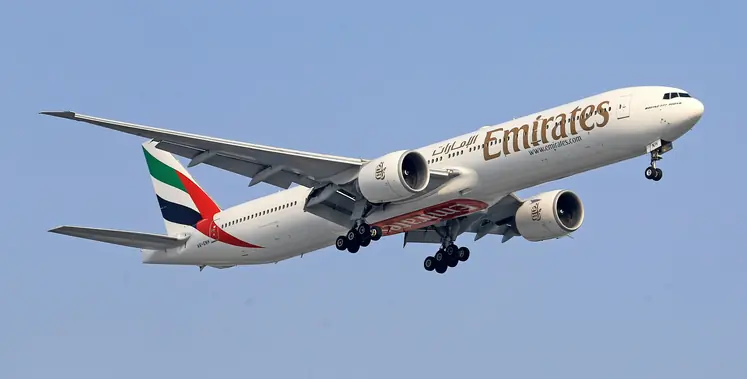
Emirates confirmed it is operating a reduced flight schedule until further notice following the partial reopening of some regional airspace. The airline said it plans to run more than 100 flights to and from Dubai on 5 and 6 March in order to transport passengers and move essential cargo such as pharmaceuticals and perishables.
A spokesperson said the carrier will progressively rebuild its timetable as more airspace becomes available and operational requirements are met. Safety, the airline emphasised, remains its primary priority while it continues to monitor developments across the region.
Passengers have been advised to travel to the airport only if they hold confirmed bookings and to check the airline’s website and social media channels for the latest updates.
Meanwhile, Dubai-based carrier flydubai has resumed flights across parts of its network but is currently operating a scaled-back schedule. The airline said it is gradually adding services as restrictions on regional airspace begin to ease.
However, flight times may be longer than usual as aircraft are temporarily rerouted to avoid restricted zones. The airline also urged customers not to travel to the airport without confirmation of a booking or rebooked flight. Travellers connecting through Dubai will only be accepted if their onward flight is operating.
Despite wider disruptions, aviation activity in Jordan has remained comparatively stable. The Civil Aviation Regulatory Commission reported that airports across the Kingdom continued operating normally on Wednesday despite the closure of airspace in several neighbouring countries.
According to commission chairman Deifallah Farajat, Queen Alia International Airport recorded 67 inbound flights and 58 departures during the day, with national carrier Royal Jordanian accounting for the largest share of operations. Authorities said technical teams remain on standby to respond to any developments affecting airspace safety.
Elsewhere, the government of Oman has begun assisting foreign nationals stranded across the Gulf as the travel disruption intensifies. Foreign Minister Sayyid Badr bin Hamad Albusaidi said the country is working with governments and international airlines to organise flights for travellers seeking to leave the region.
Omani authorities are coordinating with diplomatic missions and carriers to ensure safe and orderly departures for affected passengers. The initiative reflects the Sultanate’s longstanding diplomatic approach of prioritising humanitarian assistance during regional crises.
The aviation disruption follows the escalation of the US-Israel-Iran conflict, which has prompted several countries to close or restrict their airspace. Airlines have been forced to cancel services or divert aircraft along longer routes to avoid conflict zones.
Industry observers warn that flight disruptions could persist in the coming weeks if hostilities continue, with travellers across the Middle East advised to monitor airline updates as schedules remain subject to rapid change.
Gulf aviation adjusts schedules as regional tensions disrupt flights