As global trade faces mounting pressures, the United Arab Emirates is aggressively reshaping its industrial and logistics landscape to cement its status as a premier global distribution hub.
Driven by a pressing need for supply chain diversification and a widespread push for manufacturing localisation, the broader market is demonstrating remarkable resilience while attracting substantial capital. This structural transformation is detailed in the latest UAE Industrial and Logistics Review, published by the commercial real estate firm CBRE Middle East. Released on 28 September 2026, the extensive report highlights strong occupier demand, major government infrastructure investments, and the rising prominence of alternative trade routes.
Navigating supply chain shifts
Recent disruptions to traditional maritime routes, particularly through the Strait of Hormuz, have catalysed swift and strategic adaptation. Rather than retreating, the nation is actively transitioning towards a more flexible and highly diversified logistics network. This strategic pivot relies heavily on an increased dependence on east coast gateways, specifically the vital ports of Fujairah and Khor Fakkan.
Furthermore, the rapid expansion of both rail and road freight infrastructure has notably bolstered the country's long-term logistics capabilities, systematically reducing its reliance on conventional maritime shipping lanes. By prioritising these overland logistics corridors, the UAE ensures that critical trade flows remain largely uninterrupted.
Government action and record capital
The industrial sector's continued strength is not merely an organic market reaction; it is fundamentally supported by targeted, government-led initiatives. These proactive measures help maintain operational efficiency across complex supply chains. Notable interventions driving this growth include:
Comprehensive customs relief programmes aimed at easing the financial burden on regional traders.
Dedicated support packages tailored specifically for small and medium-sized enterprises.
Attractive domestic manufacturing incentives designed to stimulate local production.
Strategic investments directed into overarching, long-term logistics infrastructure projects.
Investor confidence remains resolutely strong throughout the year, underscored by a series of high-profile transactions. A prime example of this robust appetite is the AED 48.5 billion in industrial investments unveiled during the "Make it in the Emirates 2026" forum. This massive capital injection sits alongside major new warehousing and logistics developments across key industrial zones, including KEZAD, Jafza, and the National Industries Park.
Surging demand across key emirates
The market's structural fundamentals—fuelled by a prevailing shortage of high-quality warehousing stock available for lease—have triggered significant rental growth. Both Abu Dhabi and Dubai have experienced a notable surge in pricing power for asset owners.
In Abu Dhabi, the industrial property market registered a 6.0% year-on-year increase in average rental rates during the third quarter of 2026. This upward trajectory is underpinned by sustained occupier demand colliding with tightly constrained supply. Leasing activity was especially fervent within KEZAD and ICAD, where businesses competed heavily to secure limited quality stock. The capital continues to reap the rewards from expanding foreign direct investment and ongoing industrial expansion programmes.
Dubai demonstrated an even stronger performance, with average industrial rental rates rising by a remarkable 12.3% year-on-year. Occupiers seeking strategically positioned distribution and warehousing facilities drove exceptional rental growth in sought-after areas. The districts witnessing notable activity include Dubai Investments Park, Dubai Industrial City, the National Industries Park, and Dubai South.
The limited availability of premium Grade A space across the emirate's core hubs continues to anchor strong pricing strategies for landlords.
A long-term vision
Matthew Green, Head of Research at CBRE MENA, outlines the impact of these developments: “The past year has underscored the strategic importance of the UAE's industrial and logistics sector. While regional disruptions have created operational challenges for many businesses, they have also accelerated investments, effectively reshaping the country's logistics landscape. From expanded port and rail infrastructure to new manufacturing capacity and logistics developments, we are seeing long-term structural shifts that continue to strengthen the UAE's position as a leading trade, distribution and industrial hub.”
Looking ahead, the market outlook is focused entirely on sustained expansion. Green adds: “Many of the investments we are seeing today extend well beyond the current geopolitical environment and reflect the long-term confidence in the UAE. As infrastructure capacity expands and supply chains continue to evolve, the market remains well positioned to benefit from the next phase of economic growth and diversification.”
UAE logistics market thrives amid supply chain shifts
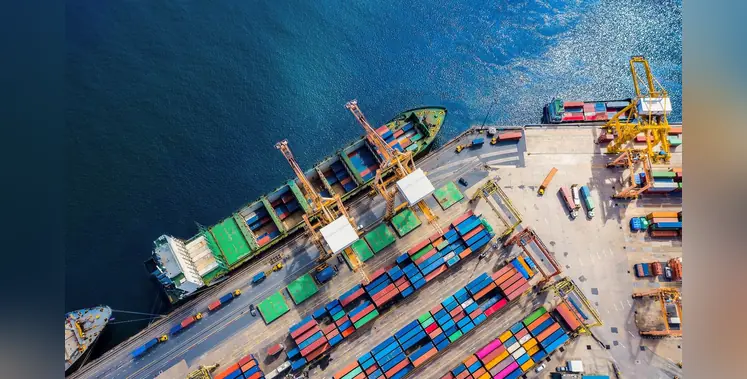
Global trade disruptions are reshaping supply chains, but the UAE’s industrial sector is capitalising on the shift with record investments.