As countries strive to meet carbon reduction targets, the dependency on traditional, grid-connected electrical systems has become an increasing point of vulnerability.
Fluctuations in energy supplies, whether linked to oil and gas disruptions or the prohibitive costs of laying extensive cable infrastructure in difficult terrain, have created a pressing demand for autonomous, clean-energy alternatives.
For developing regions and major industrial power stations, the solution lies in the sophisticated application of solar-powered lighting. However, the move away from traditional grid reliance is not merely a matter of installing solar panels. To be effective, street lighting systems must withstand extreme environmental stressors—such as intense heat, humidity, and abrasive sandstorms—while maintaining consistent performance levels. As the industry evolves, the shift toward "system-level R&D" has become the primary benchmark for success, forcing manufacturers to move beyond simple lighting units toward high-reliability, intelligent hardware.
This transition to smarter, more resilient infrastructure is exemplified by the recent activities of SOKOYO, a prominent manufacturer that has been at the forefront of the solar street lighting sector since its inception in 2008. With over one million lighting units currently operational across Southeast Asia, Africa, the Middle East, and Central Asia, the organisation has shifted the paradigm by integrating Internet of Things (IoT) technology into their product lines. This innovation allows for remote management and monitoring, significantly improving safety and operational efficiency for municipalities and large-scale industrial projects alike.
The organisation’s latest contribution to this global shift is the successful completion of a landmark project for QatarEnergy. In July, the company finalised the installation of 252 sets of split-type solar street lighting units at QatarEnergy’s power projects located in Ras Laffan and Masaieed. The deployment, which was managed by Samsung C&T Corp., required a tailored approach to ensure that the lighting arrangement was not only effective but also easy to maintain over the long term. By manufacturing its own LED modules, solar panels, batteries, light housings, and poles, the manufacturer ensures a level of quality control that meets stringent international standards, including those set by the International Electrotechnical Commission (IEC).
The success of the QatarEnergy project highlights the efficacy of this bespoke engineering approach. Providing insight into the collaboration, Kathy, a senior procurement manager for Samsung, stated: "SOKOYO provided us with a specially customised solution for our power station." She further noted the operational success of the installation, adding: "The entire solar street lighting system consistently met our expectations for brightness, battery life and overall reliability."
Such successes are indicative of a broader trend. Whether it is facilitating road safety on high-traffic expressways in Uganda or contributing to the infrastructure of high-tech cities like Saudi Arabia’s NEOM, the ability to engineer products that resist heat, vibration, and low-light conditions is proving vital. By embracing modular production and intelligent manufacturing, the industry is effectively lowering costs while increasing the resilience of essential infrastructure. As more organisations look toward solar power to circumvent the instabilities of traditional energy supplies, the integration of advanced IoT and climate-hardened materials is no longer just a luxury; it is the foundation of a modern, sustainable global landscape.
SOKOYO advances global solar lighting infrastructure
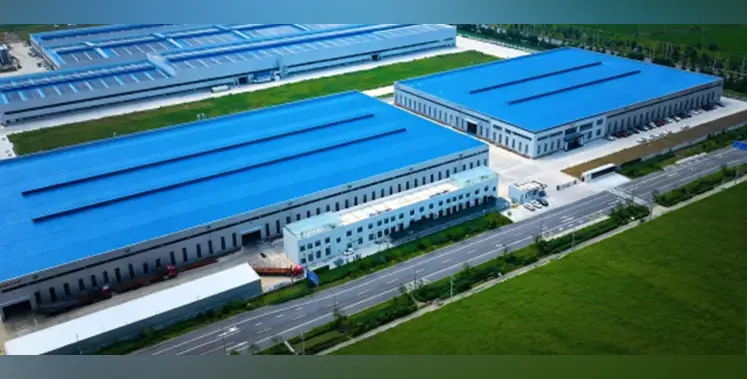
SOKOYO, a prominent manufacturer that has been at the forefront of the solar street lighting sector since its inception in 2008.