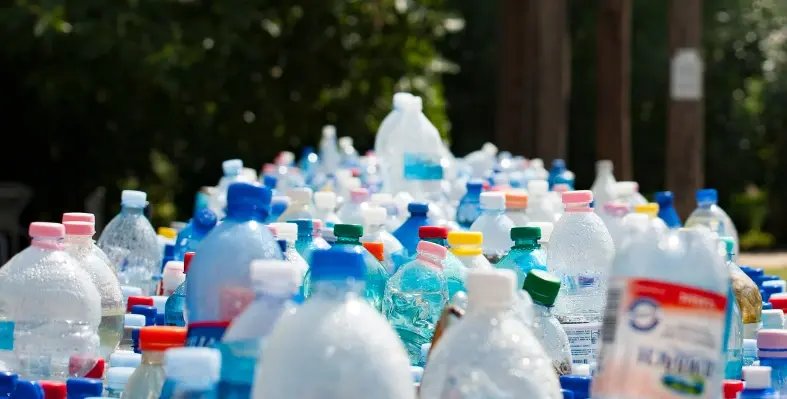
From 1 January 2026, the UAE will expand its restrictions on single-use plastics, banning plastic beverage cups, lids, cutlery, food containers and straws when manufactured from conventional plastic materials.
The move forms part of the country’s wider environmental policy framework aimed at reducing pollution and limiting the long-term environmental impact of disposable products. According to the Ministry of Climate Change and Environment (MOCCAE), products made from plant-based Polylactic Acid (PLA) are recognised as viable alternatives and are excluded from the ban.
The measures stem from Ministerial Decision No. 380 of 2022, which regulates single-use products across the UAE and prohibits the import, production and distribution of specified plastic items. Earlier phases of the regulation already introduced bans on products such as plastic straws, stirrers and single-use shopping bags.
The scope of the regulation will broaden to include additional items such as beverage cups, lids, forks, spoons, chop sticks and food containers when made from plastic. The expanded ban reflects the UAE’s commitment to addressing plastic pollution while encouraging the adoption of more sustainable material alternatives.
PLA applications
PLA, a plant-based material that is compostable and biodegradable, remains exempt from the regulation. Derived from renewable resources, PLA is widely used in applications where hygiene, safety and convenience are essential. Its suitability for both cold and hot drink cups, food containers, straws and cutlery positions it as a practical alternative for sectors such as food service, hospitality and events, where single-use items are still sometimes necessary.
François de Bie, Emirates Biotech CCO, stated that “it’s best to stop using single use products as much as possible and consider reuseable alternatives. But in those cases where reuseable alternatives are not available it is important to recognise that PLA, being a plant-based material, falls outside the scope of the prohibited materials. PLA, like paper, wood and recycled plastics is exempted.” His comments underline the regulatory distinction being made between conventional plastics and materials derived from renewable sources.
Valentina Olabi, Public Affairs Manager of Emirates Biotech, added, “PLA will play a critical role in advancing landfill diversion and circular economy targets. The decision demonstrates constructive collaboration between government, industry and environmental stakeholders. We welcome this recognition of PLA as a practical enabler of the UAE’s sustainability agenda.”
As the UAE continues to strengthen its environmental regulations, the recognition of PLA provides clarity for manufacturers, importers and end users navigating the transition away from conventional plastics. Emirates Biotech has reiterated its commitment to supporting local businesses as they adapt to the new requirements, helping ensure a smooth shift towards compliant, plant-based alternatives that align with the country’s broader sustainability goals.
UAE expands single-use plastics ban from 2026