The wind energy sector in the Middle East is expanding rapidly as countries such as the UAE, Saudi Arabia and Oman push forward with ambitious renewable energy goals
As wind projects grow across the region, the need for a highly skilled and safety-focused workforce becomes increasingly important. Wind turbine technicians play a central role in this transition because they keep turbines operating efficiently and safely. One of the most widely recognised qualifications for these technicians is GWO certificates, which provide an international benchmark for technical ability and safety awareness in the wind industry. This article explores why these certificates are essential in preparing a qualified workforce for the Middle East’s evolving wind energy landscape.
The growing need for skilled technicians in Middle East wind energy
Wind energy development in the region brings unique challenges due to harsh climates, expanding infrastructure and the technical demands of modern turbines. Technicians must work at significant heights, handle mechanical and electrical systems and operate in extreme temperatures. They also need the skills to inspect equipment, troubleshoot issues and perform regular maintenance to avoid operational downtime.
GWO certificates offer standardised and comprehensive safety training that prepares technicians for these conditions. The training includes essential modules such as working at heights, manual handling, fire awareness and first aid. For companies building or maintaining wind farms in the Middle East, workers trained under GWO certificates provide a reliable and competent foundation for meeting regional project demands.
GWO certificates for wind technician safety and competence
Achieving GWO certificates has become an industry requirement for technicians working on wind turbines worldwide. This training ensures workers understand both routine safety practices and emergency response techniques that are crucial in a high-risk environment. Programme modules address working at height procedures, safe movement in turbine towers and how to react during unexpected situations.
For the Middle East, adopting GWO certificates is key to aligning wind energy operations with global safety and performance expectations. Many countries in the region are still expanding their wind energy infrastructure, making it essential to build a trained workforce from the outset. Certification gives employers confidence that technicians possess the correct skills to meet international standards and handle the environmental challenges specific to the region.
How GWO training supports wind energy growth in the Middle East
Wind energy is becoming a strategic pillar of renewable energy development in several Middle Eastern nations. As large-scale wind farms are introduced, project success increasingly depends on having well-trained personnel capable of maintaining turbine availability and performance. GWO-based training provides practical capabilities that technicians rely on daily, from climbing and rescue procedures to safe handling of equipment during routine inspections.
In addition, GWO certificates support broader industry goals by promoting a consistent safety culture across the region. As more companies adopt these certifications, teams gain shared knowledge and practices that reduce risk and improve reliability. This consistency is especially important for international firms entering the Middle East market since it ensures alignment with the safety expectations used worldwide.
Conclusion
The Middle East’s shift toward renewable energy places wind power at the center of long-term sustainability plans. The success of these projects will depend heavily on the capabilities of technicians responsible for turbine operation and maintenance. GWO certificates provide a structured and globally recognised path to building that skilled workforce and ensuring that safety and performance standards remain high.
Organisations that want to strengthen their workforce can explore training options through providers such as FMTC Safety. For more information about certification programmes suitable for the Middle East wind sector, visit fmtcsafety.com, where you can find course options designed to prepare technicians for the region’s challenging and fast-growing wind energy industry.
Building a skilled workforce for Middle East wind projects
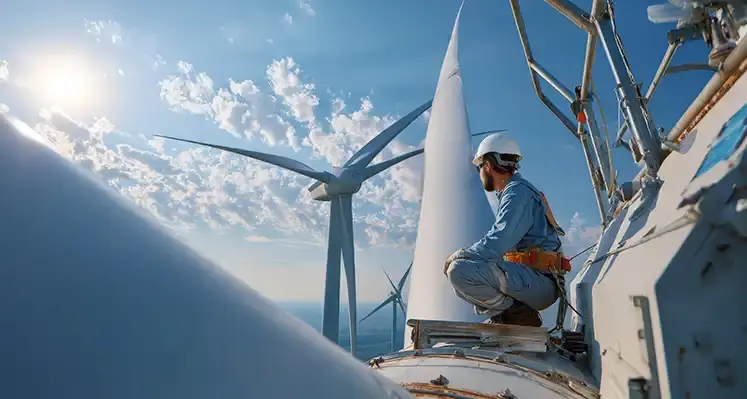
Wind energy is becoming a strategic pillar of renewable energy development in several Middle Eastern nations. (Image source: Adobe Stock)