Significant global investment in energy infrastructure drove a 2.2% rise in energy-sector employment last year, nearly double the rate of job growth in the broader world economy, according to a new IEA report
The World Energy Employment 2025 report, released today, shows that the global energy workforce reached 76 million in 2024, an increase of over five million roles since 2019. Over the last five years, the energy sector has contributed 2.4% of all net new jobs created worldwide.
The power sector has been a key driver of this growth, accounting for three quarters of recent employment gains and now ranking as the largest employer in energy, overtaking fuel supply. Solar PV remains a major driver, complemented by expanding employment in nuclear power, electricity grids, and energy storage. As electrification spreads across industries, roles in EV manufacturing and battery production surged by nearly 800,000 in 2024.
Fossil fuel employment remained resilient throughout the year. Coal-sector jobs rose in India, China, and Indonesia, lifting coal employment 8% above 2019 levels despite sharp declines in advanced economies. The oil and gas industry has regained most of the jobs lost in 2020, although low prices and economic uncertainty have triggered some workforce reductions in 2025. Early data suggest that overall energy-sector employment growth may moderate to 1.3% this year, as tight labour markets and geopolitical tensions prompt caution among employers.
Despite the sector’s strong growth, the report highlights a worsening shortage of skilled workers. More than half of the 700 companies, unions, and training institutions surveyed through the IEA’s Energy Employment Survey reported critical recruitment bottlenecks that could delay infrastructure projects, slow major initiatives, and increase system costs.
“Energy has been one of the strongest and most consistent engines of job creation in the global economy during a period marked by significant uncertainties,” said IEA executive director Fatih Birol. “But this momentum cannot be taken for granted. The world’s ability to build the energy infrastructure it needs depends on having enough skilled workers in place. Governments, industry and training institutions must come together to close the labour and skills gap. Left unaddressed, these shortages could slow progress, raise costs and weaken energy security.”
Technical and applied roles such as electricians, pipefitters, line workers, plant operators, and nuclear engineers are particularly hard to fill. These occupations have added 2.5 million jobs since 2019 and now represent more than half of the global energy workforce, more than double their share of total employment across the wider economy.
Demographic pressures are also intensifying. In advanced economies, 2.4 energy-sector workers are nearing retirement for every new entrant under 25. Nuclear and grid-related professions face some of the steepest ageing challenges, with retirement-to-new-entrant ratios of 1.7 and 1.4 to 1, respectively.
At the same time, the supply of newly trained workers is insufficient to meet demand. To prevent the skills gap from widening by 2030, the number of new qualified energy workers globally must increase by 40%. Achieving this would require an additional US$2.6bn per year, less than 0.1% of total global education spending.
The report stresses that policy action can help address these challenges. Respondents identified training costs, foregone wages, and limited awareness of programmes as major barriers to entry. Effective measures include financial incentives for learners, expanded apprenticeship schemes, increased private-sector participation in curriculum design, and investment in training facilities. Reskilling within the sector is also essential. While some regions are already seeing declines in fossil fuel employment, targeted retraining programmes could help workers transition to fast-growing areas of the energy system.
IEA warns Energy workforce faces gap
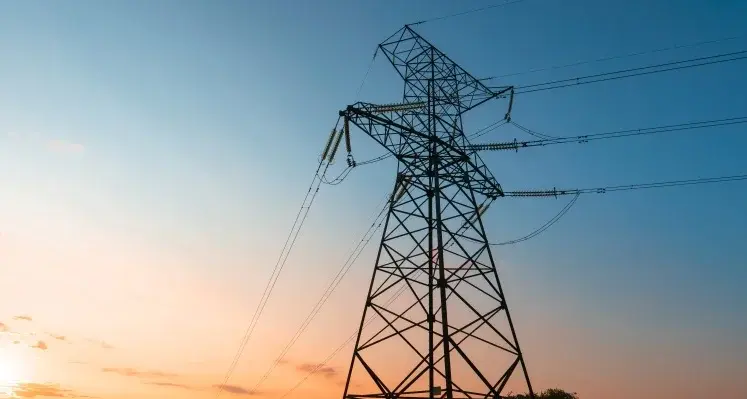
IEA reports 76 million employed in energy sector in 2024, but skilled labour shortages pose challenges