The global transition towards zero-emission energy has reached a critical juncture, with nations racing to establish secure, sustainable supply chains.
Positioned at the geographical and economic crossroads of the world, the corridor connecting the European Union with the Middle East and North Africa (MENA) is rapidly emerging as a focal point for renewable infrastructure. Within this highly strategic landscape, a major development has been spotlighted. According to recent insights published by Dii Desert Energy, Turkey is definitively transforming into a clean energy and synthetic fuels powerhouse, serving as the essential green bridge for the EU-MENAT region.
Historically recognised as a pivotal transit hub for fossil fuels, Turkey is now aggressively rewriting its energy narrative. The nation is moving swiftly to capitalise on its vast wind and solar resources, aiming to pivot from a net energy importer to a formidable exporter of low-emission power. This transformation is not merely a domestic ambition; it is a critical enabler for European markets seeking reliable, decarbonised energy alternatives to meet stringent net-zero targets.
The 120 GW National Energy Plan
At the core of this monumental shift is Turkey’s highly ambitious National Energy Plan. Realising the urgent need to decarbonise and achieve energy independence, the government has set a definitive trajectory for the coming decade. The plan focuses extensively on scaling up domestic generation, fundamentally altering the national energy mix.
By the year 2035, the country aims to reach an impressive 120 gigawatts (GW) of installed renewable capacity. To achieve this, the nation plans to quadruple its current solar and wind generation capabilities. Local wind production, in particular, is slated to take a leading role in this rapid expansion. By harnessing its natural meteorological advantages, Turkey intends to significantly diminish its historical reliance on imported carbon-intensive fuels, ensuring a resilient and sustainable domestic grid while unlocking export potential.
Upgrading the Grid: A $28 Billion Investment
Generating immense volumes of renewable energy is only the first step; transmitting and storing it requires robust, modernised infrastructure. Dii Desert Energy highlights that integrating this unprecedented scale of wind and solar into regional power systems demands meticulous coordination. To support the 2035 targets, Turkey has outlined a comprehensive $28 billion grid modernisation programme.
Key components of this massive infrastructure overhaul include:
Battery Energy Storage Systems (BESS): The deployment of 7.5 GW of large-scale battery capacity. This is the primary enabler for grid stability, managing the inherent intermittency of renewable sources and ensuring a consistent power supply.
Green Hydrogen Electrolysers: The development of 5 GW of electrolyser capacity, which will establish the necessary foundation for a thriving, domestic green hydrogen economy.
Common User Infrastructure (CUI): The strategic rollout of shared infrastructure to de-risk giga-scale renewable developments. This approach significantly lowers entry barriers for commercial project developers and accelerates deployment.
Pioneering the Synthetic Fuels Market
Beyond the direct transmission of green electricity, Turkey is strategically positioning itself as a global leader in the low-emission molecules sector. By marrying its expanding renewable capacity with advanced electrolyser technology, the country is laying the groundwork for the large-scale commercial production of green hydrogen and synthetic fuels.
To navigate the complex regulatory and financial landscape of this nascent industry, Turkey has engaged in high-level international collaborations. Working alongside institutions such as the World Bank, the nation is actively developing a comprehensive national hydrogen roadmap. This strategic framework is designed to overcome existing hurdles related to commercial offtake agreements and create an exceptionally favourable environment for international investment, ensuring that long-term green fuel projects are bankable and secure.
Uniting the EU-MENA Energy Divide
Ultimately, Turkey’s greatest asset remains its unique geopolitical positioning. As the European Union accelerates its decarbonisation efforts, the demand for cross-border clean energy imports is surging at an unprecedented rate. Meanwhile, the MENA region offers some of the most favourable conditions globally for low-cost renewable generation.
Through its $28 billion grid overhaul and unwavering commitment to green hydrogen, Turkey is cementing its role as the indispensable link between these two vital markets. By facilitating the seamless transfer of zero-emission power and synthetic fuels across continents, the nation is not just upgrading its own grid—it is actively driving the industrial green transformation of the entire region.
Turkey's clean energy evolution: A Green Bridge
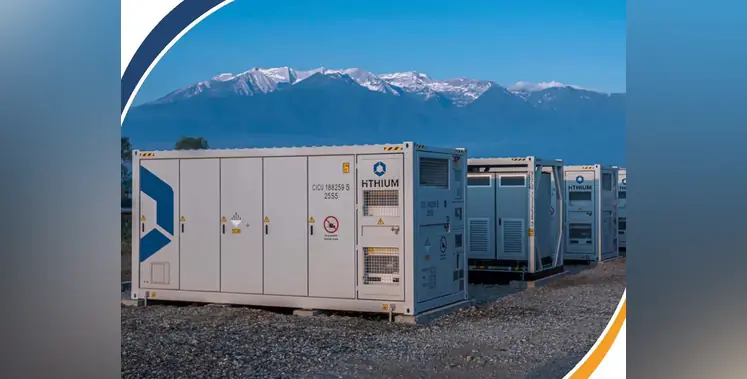
Türkiye is definitively transforming into a clean energy and synthetic fuels powerhouse, serving as the essential green bridge for the EU-MENAT region.