As seasonal rainfall swept across the UAE, LEAD Development highlighted the performance of its integrated water management system at Jubail Island, positioning the project as a model for climate-responsive infrastructure.
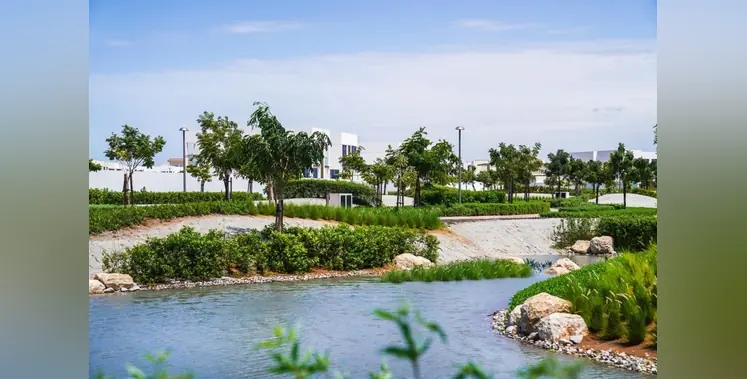
The developer said the island’s drainage approach is designed to work with natural processes rather than rely solely on conventional stormwater systems. At the core of the strategy is a network of retention ponds embedded throughout the landscape, which collect and manage rainwater during periods of heavy rainfall.
These ponds, incorporated into parks and communal spaces, are designed to capture surface runoff and reduce the risk of localised flooding. By easing pressure on traditional drainage networks, the system helps maintain operational resilience during peak rainfall events, which are becoming increasingly variable across the region.
According to LEAD Development, the retained water is gradually absorbed into the ground, supporting groundwater recharge and sustaining native vegetation. This process not only improves water efficiency but also contributes to the long-term ecological balance of the island’s environment.
The initiative reflects a broader shift in urban planning across Abu Dhabi, where developers are integrating sustainability into core infrastructure design. Rather than treating water management as a standalone engineering challenge, projects such as Jubail Island are embedding it into the overall living environment, aligning functionality with environmental and social benefits.
Beyond flood mitigation, the system delivers additional environmental gains. By reducing dependence on treated water for irrigation, it supports more efficient resource use while helping to preserve surrounding ecosystems, including mangrove habitats. These natural assets play a key role in coastal protection and biodiversity, making their conservation a priority for sustainable development in the emirate.
The presence of water features across public spaces also enhances the visual appeal and liveability of the community. Landscaped areas designed around the retention ponds provide residents with a closer connection to nature, reinforcing the project’s emphasis on wellness and outdoor living.
Jubail Island forms part of a wider sustainability-driven development model, combining low-density planning with the protection of natural habitats. LEAD Development said this approach is intended to create a balanced environment that supports both ecological resilience and long-term community wellbeing.
As climate considerations continue to influence real estate strategies across the UAE, projects incorporating adaptive infrastructure are gaining prominence. Developers are increasingly exploring solutions that address environmental challenges while delivering tangible benefits for residents.
LEAD Development noted that the system at Jubail Island demonstrates how infrastructure can be reimagined to serve multiple purposes, from managing rainfall to enhancing biodiversity and improving quality of life.
With changing weather patterns placing greater emphasis on resilience, such integrated solutions are expected to play a growing role in shaping the next generation of sustainable communities.
Jubail Island showcases rainwater management system