







In The Spotlight
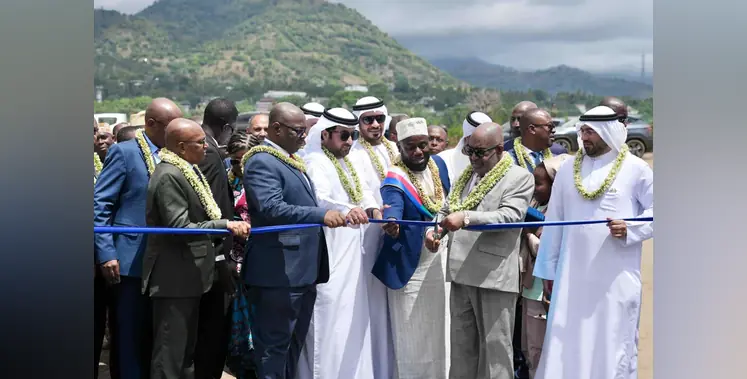
The project was inaugurated by H.E. Azali Assoumani, President of the Union of the Comoros.
Comoros inaugurates UAE-backed solar plants
Island nations across the globe face unique vulnerabilities when powering their economies, often relying heavily on imported fossil fuels that expose them to severe price volatility and supply chain disruptions.
Transitioning toward sustainable energy infrastructure has become an urgent priority for island archipelagos seeking true energy independence and climate resilience. In a landmark development for regional sustainability, the Union of the Comoros has officially inaugurated three major UAE-financed solar power plants, marking a transformative milestone for the nation's electricity grid and long-term socioeconomic progress.
The high-profile inauguration was led by H.E. Azali Assoumani, President of the Union of the Comoros, alongside high-ranking officials from both nations. The comprehensive initiative reflects the UAE's longstanding commitment to supporting a more sustainable future and expanding the deployment of renewable energy solutions globally, showcasing how clean energy expertise can strengthen international energy security.
The ambitious project was financed by the Abu Dhabi Fund for Development (ADFD), implemented by the Abu Dhabi Future Energy Company PJSC (Masdar), and managed by Global South Utilities (GSU). By uniting these key entities, the project successfully bridges international development finance with cutting-edge technical execution to deliver tangible benefits to local communities.
Project Specifications and Technical Figures
The infrastructure initiative represents an investment of approximately AED 84.4 million, deploying advanced solar photovoltaic technology across the archipelago's main islands. Key project details include:
-
Total Installed Capacity: Approximately 20 MW distributed across three primary solar photovoltaic facilities.
-
Island Breakdown: 12.86 MW located on Grande Comore, 4.05 MW on Anjouan, and 3.1 MW on Mohéli.
-
Energy Storage Systems: 16 megawatt-hours (MWh) of battery storage capacity with an 8 MW power output across Grande Comore and Anjouan.
-
Grid Integration: Approximately 30 kilometres of 20-kilovolt (kV) medium-voltage overhead transmission lines.
-
Annual Clean Energy Generation: Estimated at approximately 33.75 GWh annually.
-
Household Reach: Clean electricity sufficient to meet the energy needs of around 17,500 households.
-
Environmental Impact: Avoidance of approximately 20,900 tonnes of carbon dioxide emissions each year.
Overcoming Severe Energy Deficits
This new solar capacity arrives at a critical juncture for the Comorian electricity sector, which has historically struggled with acute structural challenges and a heavy reliance on imported diesel. During 2024, imported diesel accounted for an overwhelming 91% of the country's total energy mix. At the same time, national electricity demand reached 254 GWh against an actual generation output of only 150 GWh, resulting in roughly 3,000 power outages throughout the year.
The newly commissioned solar generation is expected to account for approximately 13.3% of total electricity demand and 22.5% of actual generation recorded in 2024. By diversifying the national energy mix, the initiative directly reduces exposure to imported fuel fluctuations and enhances system reliability.
Commenting on the milestone, H.E. Azali Assoumani, President of the Union of the Comoros, stated: "I extend my sincere appreciation to His Highness Sheikh Mohamed bin Zayed Al Nahyan, President of the UAE, for his continued support in advancing our development priorities and strengthening the partnership between our two countries, guided by a oving the reliability of electricity that businesses, public services and communities depend o
With robust battery storage and enhanced grid infrastructure, the Comoros is laying a firm foundation for a cleaner, more resilient economic future.
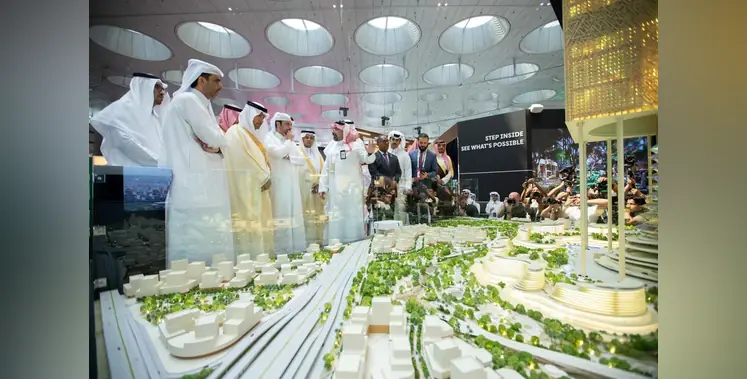
Qatar’s dynamic property sector is gearing up for its most influential and anticipated showcase yet, as Cityscape Qatar officially returns to the Doha Exhibition and Convention Centre (DECC) with more than 400 live projects and over 70 qualified developers.
Qatar's property sector accelerates as Cityscape returns to Doha
Qatar’s dynamic property sector is gearing up for its most influential and anticipated showcase yet, as Cityscape Qatar officially returns to the Doha Exhibition and Convention Centre (DECC) with more than 400 live projects and over 70 qualified developers.
For international investors, local homebuyers, and industry professionals looking to tap into the nation’s thriving urban landscape, this premier event serves as the ultimate strategic gateway to explore transformative developments, cutting-edge architectural designs, and lucrative investment opportunities across the region.
The exhibition arrives at a pivotal and transformative time for Qatar’s broader real estate ecosystem. Following a period of robust post-tournament maturation, the country's property market has shifted decisively towards sustainable, high-value urban planning and community-centric developments. Rather than relying on speculative short-term growth, master developers are focusing heavily on integrated mixed-use spaces, smart city innovations, and premier residential communities that align closely with Qatar’s ambitious long-term economic diversification goals and national development strategies.
Exploring the Future of Modern Urban Development
The sheer scale of this year's landmark showcase highlights the immense confidence driving the local market forward. Spanning extensive exhibition space in the heart of West Bay, Cityscape Qatar brings together master developers, government entities, financial institutions, and international stakeholders under one cohesive roof. Attendees are given the opportunity to move far beyond traditional marketing brochures to engage directly with physical scale models, comprehensive master plans, and transparent market data, ensuring that every strategic investment decision is backed by tangible insights rather than mere guesswork.
Whether visitors are seasoned portfolio holders managing multiple assets across different continents or first-time buyers navigating the property ladder for the very first time, the event offers a meticulously structured environment designed to facilitate meaningful connections, expert consultations, and high-value commercial partnerships.
Key Highlights of the Exhibition Floor
To help attendees navigate the vast array of offerings efficiently and make the most of their time on-site, the exhibition floor is structured into dedicated zones and features several standout components:
-
Over 400 Live Projects: A comprehensive, ground-level showcase of residential, commercial, hospitality, and mixed-use developments from more than 70 leading local and international property developers.
-
Targeted Investor Pathways: Tailored guidance mechanisms designed specifically to match first-time buyers, growing investors, and VVIP stakeholders with the most relevant market opportunities.
-
Cityscape Talks: High-level panel discussions and keynote presentations featuring prominent industry leaders, government officials, and urban planners discussing market trends, regulatory frameworks, and proptech advancements.
-
Sustainable Building Innovations: A strong institutional emphasis on green building practices, energy-efficient infrastructure, and smart city technologies shaping the future of property management.
Fostering Collaboration and Long-Term Market Growth
Beyond the individual exhibition booths and networking lounges, Cityscape Qatar continues to act as a vital catalyst for high-volume deal-making and strategic partnerships. Previous editions have consistently demonstrated the incredible financial appetite for prime property in the country, with hundreds of millions of Qatari Riyals transacted directly on the show floor. This year’s gathering builds directly upon that proven legacy, reinforcing Qatar’s position as one of the most stable, secure, and attractive real estate markets in the wider Middle East.
As urban centres continue to evolve rapidly in response to shifting global demands and environmental priorities, events like Cityscape provide the crucial meeting ground where visionary urban planning meets actionable capital. For anyone looking to understand precisely where Qatar's property market is heading next, the exhibition offers an unmatched, comprehensive window into the future of modern urban living.

Held on 1–2 September 2026, the summit was orchestrated by Ooredoo Group and the United Nations Development Programme (UNDP), in partnership with the Doha Institute for Graduate Studies.
Advancing AI policy implementation in the Arab states
The Arab States are taking decisive steps to shift technological ambitions into tangible, country-level action.
Leading this charge, the High-Level Digital & AI Policy Leaders Forum recently convened in Doha to accelerate the rollout of comprehensive digital public infrastructure and equitable policy across the region.
Held on 1–2 September 2026, the summit was orchestrated by Ooredoo Group and the United Nations Development Programme (UNDP), in partnership with the Doha Institute for Graduate Studies. Organised alongside the GSMA and Women in AI, the forum gathered senior officials and experts to transition the region's technological aspirations into actionable governance.
This gathering marks the next operational phase of the Digital Policy Framework (DPF) for the Arab States. Launched at MWC Doha in November 2025 by the UNDP, Qatar's Ministry of Communications and Information Technology, and Ooredoo, this evidence-based framework was designed to help governments construct policies that drive economic growth and social inclusion.
Transitioning from Framework to Implementation
A primary objective of the Doha forum was to equip nations with the tools to assess their digital maturity using the DPF. Over two days, national leaders identified priority reforms and commenced drafting bespoke Digital Policy Roadmaps tailored to their unique contexts.
Discussions tackled vital subjects such as digital public infrastructure, data governance, financial inclusion, and the safe deployment of artificial intelligence.
Hilal Mohammed Al-Khulaifi, Group Chief Legal and Regulatory Officer at Ooredoo, underscored the importance of moving beyond mere technological adoption:
“Digital transformation can create enormous economic and social value for our region, but technology alone is not enough. It requires the right policies, regulatory environment and collaboration between the public and private sectors. The priority now is to move from framework to implementation – understanding where individual markets stand, what needs to change and how we turn policy into tangible progress.”
Biplove Chaudhary, UNDP Technical Representative and Head of the UNDP Qatar Office, explained the mechanics of this regional evolution:
“Digital transformation delivers its greatest impact when connectivity, digital public infrastructure and emerging technologies advance together within an inclusive policy environment. The Digital Policy Framework helps countries identify gaps and prioritise action according to their national contexts. This Forum takes the next step, translating regional ambition into practical country-level implementation, while benefiting from Qatar's leadership in innovation and digital infrastructure.”
Pillars of a Competitive Digital Economy
To navigate modern technological integration, the DPF concentrates on three interconnected structural pillars deemed critical for constructing robust digital economies:
- Networks and connectivity: Ensuring reliable, high-speed access to bridge the digital divide.
- Data and digital public infrastructure: Establishing secure frameworks for data sharing and public service delivery.
- Intelligent systems and applications: Promoting the responsible use of artificial intelligence across crucial sectors like healthcare, education, agriculture, and public services.
The Economic Stakes
The financial implications of digital integration are substantial. Evidence referenced within the DPF highlights massive potential gains for developing nations:
- A 10% increase in fixed broadband penetration can boost Gross Domestic Product (GDP) by up to 1.5% in developing countries.
- Artificial intelligence could contribute an estimated US$21–35 billion annually to GCC GDP when deployed under inclusive, accountable frameworks.
Governing these immense economic opportunities requires collaboration. Dr. Abdelwahab El-Affendi, President of the Doha Institute for Graduate Studies, contextualised the forum's necessity:
“This Forum brings knowledge and practice together to address one of our region's defining challenges: harnessing digital technology to strengthen economies, advance human progress and serve society. Success requires balanced governance that enables innovation while managing risk, particularly as AI creates unprecedented opportunities. Through serious collaboration across government, industry and academia, we can turn these opportunities into meaningful, responsible progress.”
By aligning telecommunications leaders like Ooredoo with developmental bodies such as the UNDP, the Arab States are positioning themselves at the forefront of responsible digital acceleration. The journey towards a fully integrated, AI-ready economy is now underway.
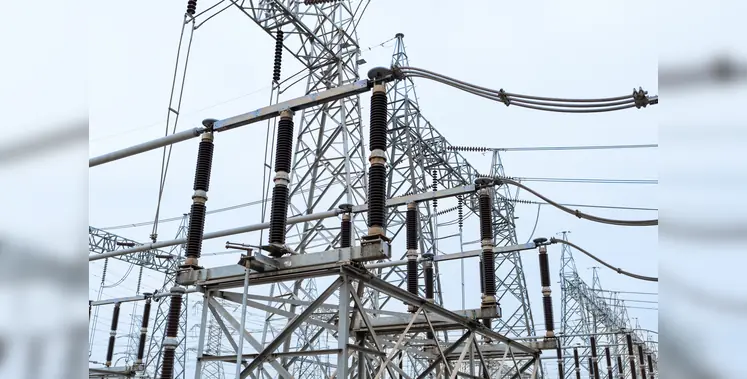
The world’s largest integrated off-grid utilities system has entered commercial operation at The Red Sea destination in Saudi Arabia.
World’s largest off-grid utilities system powers The Red Sea
The evolution of sustainable infrastructure has reached a defining milestone, proving that mega-scale developments can operate entirely independently of conventional national grids.
The world’s largest integrated off-grid utilities system has entered commercial operation at The Red Sea destination in Saudi Arabia. The milestone follows the signing of the Project Commercial Operation Date (PCOD) between Marafiq Red Sea for Energy Company – an Acwa-led consortium with SPIC Huanghe Hydropower and Saudi Tabreed – and The Red Sea Utilities Company, a subsidiary of Red Sea Global.
Marking the official commencement of a 25-year concession, the agreement confirms that all primary utility networks across the luxury destination are in active commercial service. This represents the first time a giga-project in the Kingdom has brought its entire utilities infrastructure online powered exclusively by renewable energy, without reliance on or support from the national grid. The system now supplies operational hotels, community facilities, the staff village, logistics networks, an electric fleet, and the Red Sea International Airport.
World-Record Solar and Storage Capacity
Continuous energy delivery across the coastal destination is underpinned by a massive standalone generation and storage network. The setup pairs a 340 MWac solar photovoltaic plant with a 1,227 MWh battery energy storage system – the largest off-grid battery installation constructed anywhere in the world. Delivering up to 760,000 MWh of clean electricity annually, the system prevents roughly 600,000 tonnes of carbon dioxide emissions each year at full capacity. Furthermore, the infrastructure is designed to scale dynamically alongside the destination as future hospitality phases open.
Highlighting the importance of this milestone, Mohammad Abunayyan, Founder and Chairman of Acwa, stated: “The Red Sea project embodies the ambition of Saudi Vision 2030 and the vision of His Royal Highness Prince Mohammed bin Salman bin Abdulaziz Al Saud, Crown Prince and Prime Minister, to deliver pioneering projects that redefine modern infrastructure and reinforce the Kingdom’s position as a global leader. As the world’s largest integrated off-grid utilities system, and the first of its kind at this scale, the project sets a new global benchmark for sustainable development.”
Comprehensive Multi-Utility Network
The concession spans five interconnected utility sectors delivered as a single cohesive platform:
- Potable water production across three seawater reverse osmosis (SWRO) desalination plants.
- A municipal sewage treatment plant treating 16,000 cubic metres of wastewater daily to create wetland habitats and irrigate the RSG nursery and Shura Links golf course.
- A centralised waste management centre dedicated to resource recovery and responsible material processing.
- An energy-efficient district cooling infrastructure delivering 32,500 refrigeration tons (RT) to hospitality venues and airport facilities.
- Full charging and support networks for land- and sea-based electric vehicle logistics fleets.
Funded through approximately USD 1.33 billion in senior debt within a total investment of c. USD 1.84 billion, the development demonstrates landmark bankability for pioneer off-grid infrastructure. Engineering, procurement, and construction were completed by EPC contractor SEPCO III (the Shandong Tiejun consortium), achieving 30 million lost-time-injury-free hours in a complex coastal setting. Acwa Operations will manage operations and maintenance over the 25-year concession.
Ecological Protection and Local Industry
Developing utility infrastructure within pristine coastal and marine ecosystems required strict environmental safeguards. All utility packages underwent comprehensive Environmental and Social Impact Assessment (ESIA) processes, securing permits from the National Center for Environmental Compliance (NCEC), with Marafiq executing ongoing monitoring to protect terrestrial and reef habitats.
Emphasising the environmental philosophy of the project, John Pagano, Group CEO at Red Sea Global, said: “This milestone brings our vision for a new model of regenerative tourism to life at full scale. By operating without a connection to the national grid and powering the destination entirely through renewable energy, we are demonstrating how sustainable infrastructure can support tourism that gives back to the natural environment and communities on which it depends.”
Local content was prioritised throughout construction and continues in operations. Materials were sourced from domestic suppliers wherever viable, with Saudi engineers working across all technical packages. Over the 25-year concession, the partnership will expand domestic expertise and build a resilient local supply chain aligned with Saudi Vision 2030.

Rwaj has recently raised US$1.2mn (SAR 4.5 million) in a pre-seed funding round.
Middle East live shopping evolves as Rwaj secures US$1.2mn
The Middle Eastern e-commerce landscape is undergoing a significant transformation.
No longer confined to static product catalogues and traditional online storefronts, retail in the region is rapidly pivoting towards social commerce and interactive live shopping. Capitalising on this behavioural shift, Jeddah-based startup Rwaj has recently raised US$1.2mn (SAR 4.5 million) in a pre-seed funding round. The investment aims to scale the company's live social shopping and auction marketplace across the region, reflecting a broader trend of formalising the social retail economy.
Across Saudi Arabia and the wider Gulf Cooperation Council (GCC), independent sellers, boutique brands, and local merchants have already embraced live selling. However, this burgeoning sector has historically operated through highly fragmented channels. Until recently, sellers would showcase their merchandise via social media livestreams, collect orders through direct messages or scattered comment threads, and manually coordinate payments and logistics on separate platforms.
While this grassroots approach to social commerce demonstrates clear consumer demand and high engagement, it introduces substantial friction. The lack of integrated infrastructure often results in security risks for buyers and heavy administrative burdens for sellers. Managing inventory, tracking payments, and dispatching couriers manually is not scalable. The digital retail space has urgently required a robust solution to standardise these interactions, bringing reliability and trust to a sector that heavily relies on real-time product demonstration.
Standardising social commerce
Rwaj, founded in 2024 by Taher Alblowe, was established specifically to build secure, reliable infrastructure around this existing consumer behaviour. By consolidating livestream selling, auction mechanics, digital payments, and shipping into a single application, the platform aims to eliminate the logistical headaches associated with independent social retail.
The start-up is utilising its $1.2 million capital injection to accelerate product development and regional growth, focusing heavily on delivering an Arabic-first bilingual experience tailored to the local demographic. Rather than restricting its marketplace to a specific category of goods, the platform accommodates any product that benefits from live demonstration, from electronics to fashion and collectables.
Rwaj’s integrated system provides several key operational features designed to streamline the sales pipeline:
-
Flexible Sales Formats: Sellers can stream live and choose to offer their inventory at fixed prices or run timed auctions where buyers submit bids in real time.
-
Secure Payment Escrow: To eliminate the transaction risks associated with informal social commerce, funds are held securely in escrow until the buyer confirms the successful delivery of their item.
-
Diverse Payment Integration: The platform supports seamless, immediate checkouts using Mada, Apple Pay, and standard debit or credit cards.
-
Automated Logistics: Shipping is handled directly through integrated carriers, completely removing the need for sellers to manually book external couriers or manage tracking numbers.
This deep consolidation of services ensures that neither the buyer nor the seller needs to migrate to a third-party application to finalise a sale.
“We built Rwaj so a seller can go live, sell at a fixed price or by auction, get paid, and ship without leaving the app, and a buyer can purchase or bid knowing their money is protected until the item is in their hands,” said Taher Alblowe, Founder and CEO of Rwaj.
Building a retail community
The ambition behind formalising livestream retail extends beyond simply providing a transactional utility. Rwaj is strategically positioning itself as a social marketplace. The digital ecosystem is designed to foster ongoing, long-term relationships between merchants and consumers. Buyers are actively encouraged to follow their favourite sellers, discover new retail entrepreneurs through the wider community, and consistently return for future scheduled livestreams. This infrastructure gives independent retailers a measurable way to build a loyal audience that persists well beyond any individual broadcast.
The next critical phase of growth for the digital economy in the Middle East will depend on whether these existing social selling behaviours can be permanently migrated onto dedicated, structured platforms. For Rwaj, this means leveraging its GCC-wide seller network as a foundation for broader regional expansion. Furthermore, the platform’s structured payment and shipping integrations provide local sellers with a viable, risk-free pathway to reach an international buyer base, effectively opening up global markets from a smartphone camera.
This pre-seed funding round signals a rapidly maturing market. As interactive shopping transitions from informal social media streams to dedicated, escrow-protected environments, the standard for online retail in the Middle East is being redefined.
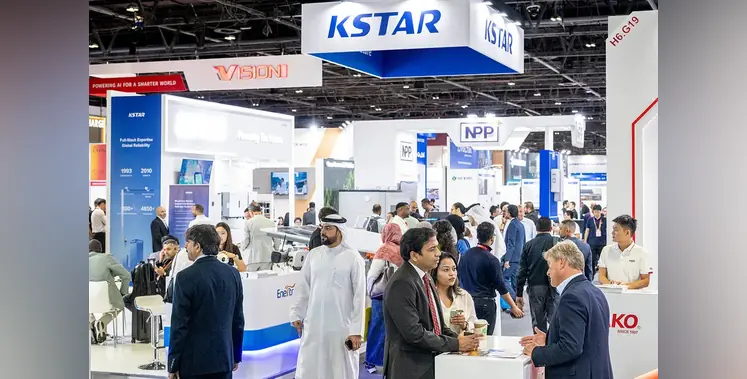
The final day of Middle East Energy 2026 in Dubai has officially brought down the curtain on a landmark three-day summit, uniting more than 1,900 energy companies from over 150 countries and roughly 35,000 industry professionals.
Middle East Energy concludes landmark Dubai Summit
The final day of Middle East Energy 2026 in Dubai has officially brought down the curtain on a landmark three-day summit, uniting more than 1,900 energy companies from over 150 countries and roughly 35,000 industry professionals.
As the event concluded at the Dubai World Trade Centre, discussions pivoted heavily towards execution, cross-border cooperation, and actionable strategies required to accelerate the region's ongoing energy transition. With global electricity demand surging—driven largely by rapid digitalisation, industrial expansion, and the proliferation of artificial intelligence—the conversation across exhibitions and conference halls underscored an urgent mandate: transforming power infrastructure from strategic planning into tangible, large-scale delivery.
AI, digitalisation, and grid resilience
A central theme throughout the concluding sessions was the intricate intersection of advanced technology and modern power systems. As artificial intelligence data centres, smart cities, and heavy industrial applications place unprecedented loads on traditional grids, stakeholders examined innovative engineering solutions to ensure long-term stability and reliability. Industry experts emphasized that grid modernization cannot wait, requiring immediate and sustained investments in advanced software, automation, and real-time monitoring tools.
Furthermore, panel discussions explored how digital transformation optimizes energy efficiency across generation, transmission, and distribution networks. Leaders from government bodies, municipal utilities, and private enterprises noted that enhanced regional power interconnections will play a vital role in building highly resilient energy systems. These networks are uniquely positioned to handle intermittent renewable energy supplies while simultaneously safeguarding overall grid reliability and mitigating operational risks.
Scaling renewables, storage, and infrastructure
The exhibition floor served as a dynamic, interactive hub for showcasing cutting-edge electrical hardware, including high-efficiency transformers, advanced switchgear, and robust energy storage systems. Exhibitors from across the globe demonstrated how modern technological integration is revolutionizing renewable energy deployment across the Middle East. Key highlights and focal points from the exhibition floor included:
-
Over 1,900 global exhibitors showcasing pioneering innovations in electrical transmission, distribution, renewable generation, and critical power solutions.
-
Specialized co-located zones focusing extensively on battery energy storage systems (BESS), solar photovoltaic technology, and electric-vehicle charging infrastructure.
-
The accelerated deployment of major utility-scale solar and wind energy projects across the UAE, Saudi Arabia, and Oman, which continues to boost regional demand for high-grade electrical equipment.
-
Strategic framework discussions addressing the seamless integration of distributed energy resources, decentralised power grids, and advanced microgrid architectures.
Strategic collaboration and capital investment
Beyond technical equipment displays, the final day placed a strong, analytical spotlight on the financing mechanisms and regulatory policy frameworks necessary to fuel long-term infrastructure development. Financial institutions, policymakers, and engineering leaders convened in high-level closed-door sessions to align capital availability with overarching sustainable development goals.
With international commitments officially shifting from high-level climate targets to execution-focused capital deployment, participants emphasized the vital importance of robust public-private partnerships. Navigating complex supply chain resilience, securing critical mineral corridors, and streamlining regulatory approvals were universally identified as non-negotiable milestones for maintaining momentum.
Charting the path forward for regional utilities
As utilities and regulatory bodies navigate the complexities of modernizing legacy infrastructure, regional cooperation remains the cornerstone of success. Leaders at the summit stressed that shared knowledge and harmonised standards will allow Middle Eastern nations to bypass traditional developmental bottlenecks. By embracing cross-border grid links, countries can effortlessly balance peak loads, share surplus renewable generation, and stabilize energy costs across borders. This collaborative ethos not only reinforces national energy security but also positions the wider Middle East as a global leader in sustainable power management and technological innovation.
Moreover, discussions touched upon workforce readiness, highlighting the necessity of cultivating the next generation of engineers and technicians equipped to manage smart power grids. As the curtain falls on this year's edition, the overarching message from Dubai is definitive: the technological tools and robust financial frameworks required to build a sustainable, tech-driven energy future are already within reach, setting the stage for a cleaner, smarter, and more interconnected regional economy.
Chinese engineering and construction firm SEPCOIII has officially announced the full commercial operation of the Saudi Red Sea Utility Infrastructure Project.
SEPCOIII completes Red Sea Utility Project
Chinese engineering and construction firm SEPCOIII has officially announced the full commercial operation of the Saudi Red Sea Utility Infrastructure Project.
This achievement marks a significant milestone for Saudi Arabia’s ambitious Vision 2030 programme. By seamlessly blending renewable power generation, substantial battery storage, and advanced water management, the multi-utility project sets a new global benchmark for sustainable tourism development. It demonstrates how luxury hospitality can thrive independently of interconnected national power grids, offering an operating example for similar isolated networks globally.
The vision for off-grid tourism infrastructure
The Red Sea development is engineered to be one of the world's most ambitious regenerative tourism destinations. However, establishing a luxury footprint in a remote, ecologically sensitive coastal region requires a radical departure from conventional utility solutions. Extending traditional transmission lines and water pipelines is frequently uneconomic and environmentally disruptive.
To address these distinct geographical and ecological challenges, the mega-resort relies entirely on a self-sustaining microgrid. The successful commercialisation of this integrated utility project underscores the kingdom's serious commitment to sustainable infrastructure within its giga-projects. For investors and developers eyeing the wider region, reliable, green utility infrastructure is a fundamental differentiator, enhancing long-term value and livability while safeguarding natural habitats.
Integrated systems powering the Red Sea
SEPCOIII, a wholly owned subsidiary of POWERCHINA, delivered the venture under an Engineering, Procurement, and Construction (EPC) agreement. It is widely recognised as the first utility-scale commercial installation globally to integrate multiple complementary power and utility systems of this magnitude.
Rather than just focusing on power generation, the comprehensive package provides all essential services to luxury hotels and tourism facilities across the destination. Under the EPC contract, the interconnected infrastructure components delivered include:
-
A 358 MWac solar photovoltaic (PV) generation plant.
-
A battery-based energy storage system (BESS) featuring a capacity of more than 1,300 MWh.
-
Robust electrical grid systems and telecommunications infrastructure.
-
Seawater desalination plants paired with potable water distribution lines.
-
Complete wastewater conveyance networks and advanced sewage treatment facilities.
-
Sustainable solid-waste processing and district cooling setups.
Setting global records in renewable energy
The transition to full commercial operation represents the completion of the wider multi-utility package, bringing online assets that have been progressively commissioned since 2023. The project was developed under a public-private partnership structure, bolstered by a long-term offtake agreement supported by Saudi Arabia’s Public Investment Fund (PIF). Key technology partners included major Chinese suppliers for the energy storage and solar modules.
Because of its unprecedented scale and innovative integration, the multi-utility microgrid has garnered substantial international acclaim. Its technical advancements and eco-conscious construction methods have resulted in numerous industry accolades:
-
A Guinness World Record in 2025 for the world's largest off-grid battery energy storage project by capacity.
-
The prestigious 2022 MUSE Design Gold Award.
-
The 2026 Renewable Energy Innovation of the Year Award.
-
The 2026 Sustainable Construction Project of the Year Award.
Economic and Environmental Impact
Beyond the immediate environmental benefits of displacing fossil fuels and preserving the pristine coastal ecosystem, the utility mega-project delivers robust economic advantages. The broader Red Sea development, propelled by this foundational infrastructure, is projected to create approximately 70,000 jobs. Furthermore, it is expected to contribute an estimated SAR 22 billion to the national GDP.
By successfully bringing this colossal system to full commercial operation, SEPCOIII has demonstrated that large-scale renewable energy, storage, water, and waste systems can be seamlessly combined to support sustainable tourism in isolated locations. The technical and operational lessons learned from this record-breaking installation will undoubtedly pave the way for future off-grid developments, proving that high-end luxury and absolute sustainability can cohesively coexist.