cc.web.local

The Special Economic Zone at Duqm is launching the 2026 Duqm Summer Series.

The rapid integration of artificial intelligence into the modern workforce has shifted the global conversation from hypothetical disruptions to daily operational realities. 

Around the world, organisations are deploying intelligent systems and robotics to streamline workflows and drive efficiency. However, a more nuanced challenge is coming into focus. While basic access to generative tools is becoming equitable, the deeper metrics of workplace confidence, daily engagement, and perceived productivity returns reveal a stark divide. Addressing this hidden gap has become a priority for businesses seeking to harness their human capital in a shifting digital economy.

Confidence vs Capability in the Workplace

Recent data from the Pew Research Centre highlights this evolving dynamic. In just two years, women have almost completely closed the foundational usage gap. Today, 47 percent of women utilise AI chatbots, trailing the 50 per cent adoption rate among men by a narrow margin. Yet, this surface-level parity masks deeper discrepancies. Statistics indicate that 27 per cent of men engage with chatbots daily, compared to 20 per cent of women. Furthermore, 40 per cent of employed men rely on these tools for work, edging out the 35 per cent of women who do the same.

The most significant disparity lies in the perception of productivity and workplace confidence. Thirty-five per cent of men report that intelligent systems make them more productive, while only 25 per cent of women share that sentiment. Moreover, a mere 15 per cent of women describe themselves as very confident when using AI tools, lagging behind the 22 per cent of men expressing high confidence. This hesitation reflects genuine concerns regarding the rapid pace of development. Research shows that 68 per cent of women believe AI is evolving too quickly, raising legitimate questions regarding who holds influence when these systems are deployed across various industries.

Shaping the Systems of Tomorrow

To overcome this challenge, businesses and educational institutions must reconsider how they integrate technology. The true benefit of artificial intelligence stems not merely from having access to a platform, but from possessing the necessary understanding to scrutinise outputs, frame superior queries, and challenge inaccurate results. When equal adoption rates conceal unequal returns, the solution lies in empowering the workforce to take an active role in shaping the systems they rely on daily.

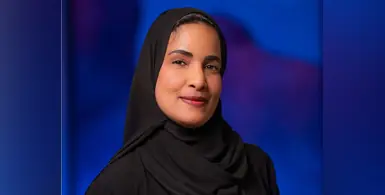
Hanan Al Siyabi, an organiser representing the Special Economic Zone at Duqm, articulated this imperative clearly: "AI is often presented to employees as something already decided. A new tool arrives with an expectation that people will adapt to it. Those expected to use the system may have had little say in the problem it was built to solve. Increasing the number of women using AI is only part of the work. Women also need the confidence to test it and the authority to question how it is used."

The Duqm Summer Series: Empowering Women in Tech

To foster this essential dialogue and confront these disparities directly, the Special Economic Zone at Duqm is launching the 2026 Duqm Summer Series. The programme opens with a flagship session titled “Intelligent Machines”, scheduled for Sunday 23 August at 7:30 pm at the Crowne Plaza Duqm. Rather than relying on imported consultancy, the event leverages local expertise to run an actionable AI literacy programme tailored for the regional workforce.

The inaugural session brings together four distinguished Omani women actively driving advancements across computer science, data ecosystems, and intelligent systems. The panel will feature:

  • Dr Fatima Al Raisi: Department of Computer Science at Sultan Qaboos University
  • Amna Al Sinani: Future Data
  • Beylasan Al Ruzaiqi: Onsor
  • Dr Aziza Al Zadjali: Star Labs

Together, they will explore how artificial intelligence is transitioning into physical machinery and discuss the broader implications for the public and private sectors in Oman.

The “Intelligent Machines” panel serves as the foundation for a broader three-evening series. Running until 25 August, the initiative will feature twelve leading speakers from business, academia, and government. By grounding these critical conversations in the lived experiences of successful professionals, the Duqm Summer Series aims to ensure that women are fully equipped to participate in, and lead, the transformative changes sweeping through the modern workplace.
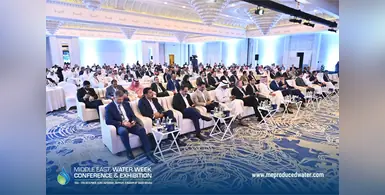
The Produced Water Society is set to convene industry executives, environmental experts, and public servants for the highly anticipated Middle East Water Week Conference and Exhibition.

The strategic management of produced and industrial water has transitioned from a routine operational task to a critical global priority.

High-salinity operations present unique ecological challenges, particularly where resource conservation is paramount. Addressing this pressing imperative, the Produced Water Society is set to convene industry executives, environmental experts, and public servants for the highly anticipated Middle East Water Week Conference and Exhibition. Scheduled in Al-Khobar from 14th to 17th December 2026, the event promises to shape integrated water strategies, focusing on produced water, industrial water, and advanced treatment solutions.

Marking the 10th anniversary of its Middle East chapter, the summit arrives at a watershed moment for the global energy landscape. This year's overarching focus is driven by the theme, “One Water, One Strategy: Redefining Produced and Industrial Water in the Middle East,” an initiative seeking to bring together global experts, industry leaders, and innovators. Rather than treating different wastewater streams as isolated challenges, the conference advocates for a strategic convergence, positioning all water into a single, unified national resource strategy.

Transitioning to Circular Water Economies

A significant focus of the 2026 agenda is the necessary shift away from traditional disposal methods towards progressive circular water economies. In particular, discussions will heavily prioritise Direct Lithium Extraction (DLE) and industrial water valorisation. By treating high-salinity brine and produced water as lucrative assets rather than liabilities, operators can simultaneously reduce their environmental footprint and unlock new economic value.

These critical enablers of the circular economy will be thoroughly examined alongside emerging treatment technologies. The objective is to equip attendees with knowledge to maximise operational efficiency and mitigate environmental impacts inherent in intensive industrial operations.

Three Pillars of Industry Transformation

To ensure a comprehensive exploration of these complex topics, the event’s technical sessions, strategic discussions, and in-depth case studies are meticulously structured around three core pillars:

  • Treatment Technologies and Operational Solutions: Experts will highlight cutting-edge advancements in treating produced water. This includes deploying modular offshore and onshore systems, novel separation methods, and developing eco-friendly chemicals with proven success in active field deployments.
  • Sustainability, Reuse, and Environmental Strategy: A dedicated focus on ecological responsibility will explore circular water economies and Zero Liquid Discharge (ZLD) systems. Sessions will delve into advanced oilfield brine management, navigating complex regulatory compliance, and practically integrating Environmental, Social, and Governance (ESG) metrics for global energy operations.
  • Economics, Risk Management, and Policy: Balancing environmental liability with economic feasibility remains a critical hurdle. This pillar will analyse lifecycle costs, explore return-on-investment (ROI) modelling for digital water systems, and establish robust decision-making frameworks based on quantitative risk assessments.

Expanding Commercial Opportunities in Dammam

Beyond the strategic discussions, the Al-Khobar conference will be enhanced by an expansive exhibition space. This vital platform for knowledge exchange empowers technology providers to present their latest solutions directly to key decision-makers. Exhibitors are afforded a unique opportunity to place themselves at the absolute forefront of industry innovation, gaining immediate market feedback while establishing powerful new commercial connections and strengthening existing customer relationships in Dammam and beyond.

To further support industry collaboration, the event features tiered sponsorship options—including Diamond, Platinum, Gold, Silver, and Gala Dinner packages. These commercial tiers offer strategic advantages such as prime booth placement, press kit releases, full-page colour advertisements, VIP access, and discounted delegate registration.

The Middle East Water Week represents a pivotal gathering for those committed to redefining the intersection of energy production and environmental stewardship. By fostering a collaborative environment, the exhibition ensures that stakeholders can transition from theoretical sustainability models to actionable, technologically advanced solutions, fundamentally altering the trajectory of the water industry.

The Middle East Event Show (MEES) 2026 is set to return to the emirate of Dubai, marking a defining moment for the regional events sector.

The Middle East Event Show (MEES) 2026 is set to return to the emirate of Dubai, marking a defining moment for the regional events sector.

Scheduled to take place from the 18th to the 19th of August at the Sheikh Maktoum Hall in the Dubai World Trade Centre (DWTC), the gathering is anticipated to attract more than 6,000 event professionals. As the industry looks towards the future with renewed confidence, MEES serves as the anchor event for the region, bringing together organisers, suppliers, venues, creative agencies, and corporate decision-makers to reconnect, unlock opportunities, and definitively shape what comes next.

Navigating Disruption and High-Pressure Dynamics

In recent years, the events ecosystem has absorbed significant disruption, forcing businesses to adapt rapidly to shifting market dynamics. Today, the industry faces a unique set of challenges that extend far beyond traditional logistics. Chief among these is the rapid integration of artificial intelligence into event planning and execution. Professionals are actively debating whether events might be technology’s biggest blind spot, or if AI can be seamlessly harnessed to enhance live experiences without losing the essential human touch.

Furthermore, the sector is grappling with profound human-centric issues. The notoriously high-pressure nature of event production has sparked vital conversations around mental wellbeing, workplace resilience, and the future viability of freelance professionals who form the critical backbone of the industry. Addressing these hurdles requires honest dialogue, structural changes, and practical solutions tailored to the evolving commercial needs of the modern market, ensuring that revenue innovation does not come at the cost of widespread workforce burnout.

Dubai as the Hub for Q4 Commercial Acceleration

To address these complex challenges, MEES 2026 offers a concentrated platform for professional development and strategic alignment. The event’s positioning in mid-August is highly deliberate. Arriving at the close of Dubai’s quieter summer travel window and immediately preceding the intensive Q4 event season, MEES acts as a vital strategic launchpad. For event agencies operating across the Middle East and North Africa (MENA), this specific period is absolutely crucial for initiating Q4 budget conversations at the client level and securing competitive advantages.

By functioning as a strictly trade-only Business-to-Business (B2B) exhibition, MEES guarantees a highly qualified audience. The platform allows agencies to engage in serious deal-making, refresh commercial agreements, and finalise which technology partners, venues, and creative studios they will include in their upcoming proposals. Supported by Dubai Business Events, the emirate’s official meetings bureau, the wider Dubai MICE (Meetings, Incentives, Conferences, and Exhibitions) ecosystem provides an ideal backdrop for this commercial acceleration. While anchored in Dubai, the exhibition successfully draws stakeholders from across Saudi Arabia, Qatar, Bahrain, Kuwait, Egypt, and the Levant, ensuring a truly comprehensive regional perspective.

Informa Connect Announces a Comprehensive Programme

Informa Connect, the official organiser of MEES, has structured the 17th edition to act as a crucial reset point for the industry. Under the guiding pillars of "Reconnect, Rebuild, and Move Forward," the organisation has announced a comprehensive agenda designed to deliver actionable insights. The 2026 exhibition floor will feature over 100 solution providers showcasing the very latest event technologies and bespoke support services.

Alongside the main exhibition, Informa Connect will host more than 35 free-to-attend seminar sessions and introduce a new Workshop Zone focused on practical skills in AI, Environmental, Social, and Governance (ESG) criteria, and creative strategy. Over 60 regional and global industry leaders will guide these sessions, focusing on essential topics such as revenue innovation, commercial growth, and building lasting resilience as the new standard for the global industry.

Following the two-day exhibition, the extensive programme will culminate on the 20th of August with the prestigious Middle East Event Awards. Held at the Madinat Arena within Madinat Jumeirah, the gala will celebrate the exceptional people, projects, and partnerships that are currently driving the region's events industry forward. Through this highly curated programming, Informa Connect continues to equip specialists with the vital knowledge and commercial connections they desperately need to thrive in a highly competitive market environment.

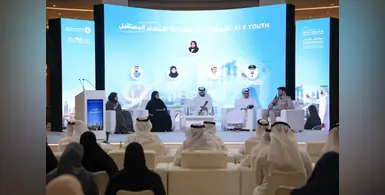
Sharjah Chamber of Commerce and Industry (SCCI) has taken a proactive stance, launching a series of strategic initiatives designed to integrate AI into the fabric of youth-led entrepreneurship.

The fundamental problem facing today’s youth is the widening gap between creative potential and the technical infrastructure required to scale a business.

While the desire to innovate is high, many young professionals lack the institutional support to navigate the intricacies of the Fourth Industrial Revolution. Without structured mentorship and access to advanced digital toolkits, even the most promising ideas risk remaining theoretical, failing to translate into viable, production-ready ventures that can compete in an increasingly crowded international market.

To bridge this divide, the Sharjah Chamber of Commerce and Industry (SCCI) has taken a proactive stance, launching a series of strategic initiatives designed to integrate AI into the fabric of youth-led entrepreneurship. Recognising that future competitiveness relies on technological fluency, the Chamber is focusing on equipping young Emiratis with the skills necessary to harness AI across various economic sectors. By transforming creative concepts into sustainable, high-value production projects, the SCCI is effectively aligning youth development with the broader objectives of the UAE’s National Strategy for Industry and Advanced Technology.

The approach taken by the Chamber goes beyond basic training. It involves creating a robust ecosystem where academic knowledge meets market reality. This is achieved through forums and workshops that demystify AI applications in fields ranging from manufacturing to jewellery design, demonstrating how automation and data-driven insights can significantly enhance product quality and market reach. By fostering these public-private partnerships, the organisation is ensuring that the local startup scene is not only innovative but also resilient enough to withstand the volatile nature of the digital economy.

The leadership at the Sharjah Chamber has been vocal about the necessity of this shift. Emphasising the importance of connecting creativity with production capabilities, Aisha Saleh, Chair of the Sharjah Chamber Youth Council, noted that the Chamber is working through its youth initiatives to "convert innovative ideas into practical, production-driven outcomes that contribute to the national economy."

Furthermore, the Chamber’s ongoing collaboration with educational institutions and government bodies ensures that young entrepreneurs receive holistic support. This includes providing incubation programmes, digital marketing expertise, and guidance on business continuity strategies. By normalising the use of AI in daily operations, the SCCI is helping to cultivate a generation of "future makers" who are prepared to lead the UAE’s transition into a global hub for advanced technology.

Ultimately, the goal is to build a foundation where innovation is the standard rather than the exception. As the Sharjah Chamber continues to scale these initiatives, the emphasis remains on sustainability and long-term economic growth. By providing the tools, the network, and the strategic foresight, the organisation is empowering youth to not only participate in the digital economy but to define its trajectory for decades to come. Through this integrated approach, Sharjah is positioning itself as a vital engine for talent and technological advancement in the Middle East.

The camp gives participants access to the latest AI applications and best practices in an environment that combines hands-on learning with practical experience.

The rapid proliferation of artificial intelligence is fundamentally altering the global economic landscape.

As industries from healthcare to finance undergo a digital metamorphosis, organisations are finding themselves in an increasingly competitive race to harness the power of automation and machine learning. However, this transition is not without its hurdles. The primary challenge currently facing the business community is not the availability of AI technology itself, but the widening chasm between available tools and the human capital required to deploy them effectively.

Industry analysts observe that while innovation is moving at an exponential pace, workforce readiness is struggling to keep step. For many enterprises, the barrier to entry remains complex: how does one integrate sophisticated AI models into legacy systems while ensuring ethical governance and operational security? This "implementation gap" has become a central focus for policymakers and educators worldwide. As the global economy pivots towards an intelligence-led future, the necessity for robust, accessible training programmes has never been more urgent. Universities and private training providers are now tasked with the responsibility of creating lifelong learning ecosystems, ensuring that the workforce is not merely technologically literate, but capable of orchestrating human-centric AI solutions that drive sustainable growth.

A Strategic Response to Technological Evolution

Within the United Arab Emirates, the commitment to leading this digital shift is underscored by a national focus on future-ready governance and capacity building. As organisations seek to transition from experimental AI pilots to scalable, agentic models—which promise to automate complex tasks and streamline decision-making—there is a palpable need for collaborative frameworks that foster practical, hands-on experience.

It is within this landscape of rapid transformation that the UAE AI Camp 2026 has been established. Serving as a crucial bridge between theoretical innovation and commercial application, the initiative aims to provide the foundational support required for institutions and professionals to navigate the complexities of modern automation. By fostering an environment where technical expertise and business strategy intersect, the camp is designed to empower participants to build internal implementation units that can drive long-term digital maturity.

Empowering Growth Through the UAE AI Camp 2026

The UAE AI Camp 2026 has officially opened its doors, introducing a sophisticated suite of new workshops and global partnerships designed to accelerate the region’s AI adoption. By facilitating collaboration between international tech experts and local organisations, the camp provides a structured pathway for developers, project managers, and business leaders to refine their approach to AI integration.

The programme’s curriculum emphasises the importance of "human-in-the-loop" systems, ensuring that participants learn how to implement AI whilst maintaining essential oversight and governance. Through a series of intensive sessions, attendees gain actionable insights into creating measurable business cases, effectively managing risk, and optimising operational workflows. With the addition of new global partnerships, the 2026 edition of the camp offers unprecedented access to cutting-edge research and best-practice frameworks from leading international technology providers. This initiative represents a cornerstone of the UAE’s strategic vision, ensuring that its workforce is equipped to lead in an era defined by artificial intelligence and digital resilience. By converting these insights into practical deliverables, the UAE AI Camp 2026 is positioning the nation at the forefront of the global AI economy.

More Articles …