cc.web.local

Organised by the Sharjah Chamber of Commerce and Industry (SCCI) in cooperation with Kalba City Municipality, the four-day event is designed to bridge the gap between historical heritage and contemporary commerce.

The coastal regions of the United Arab Emirates share a profound and enduring connection with the sea.

For generations, the maritime environment has not merely been a backdrop for daily life; it has served as a primary source of sustenance and commerce. Traditional fishing methods and preservation techniques have long sustained communities along the eastern coastline. As the nation embraces rapid modernisation, there is a growing emphasis on preserving this maritime heritage. By integrating indigenous culinary practices into modern economic frameworks, authorities aim to support cultural tourism and empower home-based enterprises.

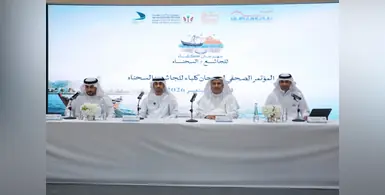
At the forefront of this cultural preservation is the newly announced Jashe and Sahnah Festival. Scheduled for 24 to 27 September in Kalba, the inaugural event places the spotlight firmly on the coastal food industries defining the region. Organised by the Sharjah Chamber of Commerce and Industry (SCCI) in cooperation with Kalba City Municipality, the four-day event is designed to bridge the gap between historical heritage and contemporary commerce.

The Culinary Staples of the East Coast

The festival takes its name from two highly revered traditional Emirati seafood products. Jashe refers to a traditional sun-dried fish product, which has historically allowed coastal families to preserve their catch long before the advent of modern refrigeration. Sahnah, on the other hand, is a distinctive fermented fish condiment—often ground into a flavourful powder—prepared using dried fish mixed with a unique blend of traditional spices.

Visitors attending the festival will be immersed in the historical processes behind these staples. Demonstrations will showcase the intricate techniques involved in catching and drying Al Ouma fish, alongside the careful preparation required to create authentic Sahnah. This hands-on approach offers both residents and international tourists an opportunity to sample Jashe varieties and Sahnah powders crafted from long-standing family recipes.

Driving Local Commerce and Tourism

While the festival is a vibrant celebration of culture, its underlying purpose is deeply rooted in local economic development. By providing a dedicated platform for small businesses, the event seeks to commercialise ancestral knowledge and elevate regional trades.

Mohammad Al Awadi, Director-General of SCCI, emphasised the strategic vision behind the event, stating that "the Jashe and Sahnah Festival is SCCI's latest economic and heritage initiative, supporting its efforts to promote the coastal food industries deeply rooted in the heritage and collective memory of Eastern Region communities." He further highlighted that the gathering showcases the potential to transform age-old customs into value-added economic products, reinforcing the value of sea resources.

Local leadership is equally committed to the event’s success. Dr Ahmed Al Mazrouei, Director of Kalba City Municipality, noted that "preparations for the Jashe and Sahnah Festival are progressing in line with the highest quality standards, in collaboration with the Sharjah Chamber and participating partners, to deliver an inaugural edition befitting Kalba's standing and stature."

He underscored the tourism appeal, explaining that "the festival will serve as a family and tourism destination, drawing visitors from across the UAE and international tourists while supporting greater community engagement and local economic activity."

Festival Programme and Key Participants

To ensure a comprehensive experience, the event will feature broad participation from fish-processing factories, specialised fishing-supplies companies, and productive families. Held with Sharqiya Kalba TV, the festival is supported by six government and community entities:

  • Sharjah Fish Resources Authority

  • Sharjah Museums Authority

  • Sharjah International Marine Sports Club

  • Environment and Protected Areas Authority (EPAA)

  • Sharjah Institute for Heritage (SIH)

  • Kalba Cooperative Society for Fishermen

What Visitors Can Expect

The dynamic programme offers something for everyone. Beyond the marketplace, the festival will host competitions, educational workshops, and awareness sessions focused heavily on marine sustainability and responsible fishing practices. For those interested in industry evolution, dedicated displays will exhibit cutting-edge fishing technologies, vessels, and marine accessories, demonstrating how the sector has advanced whilst retaining traditional roots.

By establishing a vibrant marketplace, organisers are empowering local artisans and fishermen to reach a wider demographic. This direct-to-consumer approach boosts household incomes for productive families whilst fostering deeper appreciation amongst the younger generation for their ancestral trades. Ultimately, the inaugural festival stands as a testament to marine sustainability, ensuring the UAE's maritime heritage continues to thrive, educate, and inspire within the modern economy.
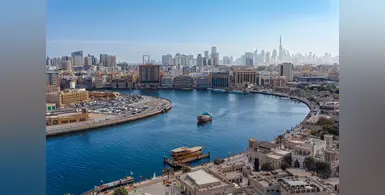
The upcoming 33rd edition of the Arabian Travel Market (ATM) 2026 will serve as a critical platform for industry leaders, policymakers, and innovators to chart the next chapter of travel, emphasising how strategic investments in urban planning, hospitality, and sustainable infrastructure are yielding substantial dividends for the local economy.

Dubai’s tourism sector continues to redefine the global standard for destination management.

As international travel dynamics evolve, the emirate has consistently demonstrated an unparalleled ability to adapt, scale, and innovate. Rather than relying solely on traditional attractions, Dubai has cultivated a multifaceted tourism ecosystem that integrates mixed-use urban developments, world-class aviation infrastructure, and sustainable residential waterfronts. This comprehensive approach ensures the city remains at the forefront of the global travel industry, offering an exceptional value proposition for leisure and business travellers, whilst ensuring year-round appeal and economic stability.

At the heart of this sustained growth is the upcoming 33rd edition of the Arabian Travel Market (ATM) 2026, where Dubai is set to showcase the formidable strength of its tourism ecosystem. The event will serve as a critical platform for industry leaders, policymakers, and innovators to chart the next chapter of travel, emphasising how strategic investments in urban planning, hospitality, and sustainable infrastructure are yielding substantial dividends for the local economy.

Charting the next chapter at Arabian Travel Market 2026

Arabian Travel Market has long been the premier gathering for the Middle Eastern travel trade, but the 2026 iteration holds particular significance. As Dubai continues to exceed pre-pandemic visitation records, ATM 2026 provides a stage to present a forward-looking blueprint. The focus has firmly shifted from recovery to proactive expansion and redefining the traveller experience. By bringing together global stakeholders, Dubai aims to highlight how its robust ecosystem functions cohesively, from the moment a traveller books a flight to their exploration of the city’s meticulously planned districts.

Pillars of a robust travel ecosystem

Dubai’s success is the result of deliberate, long-term planning across various sectors. The strength of the ecosystem lies in its diversity and the seamless integration of its components. Key focus areas that will be highlighted at the exhibition include:

  • Mixed-Use Urban Development: The continuous development of integrated lifestyle destinations, such as waterfront residential communities and design districts, provides tourists with immersive experiences blending leisure, retail, and culture.

  • Aviation and Connectivity: The emirate’s aviation sector remains a central pillar, with ongoing expansions in flight networks ensuring that Dubai remains one of the most accessible cities globally.

  • Sustainable Travel Initiatives: A heightened focus on environmentally responsible travel, aligning with broader national targets to achieve net-zero emissions, ensures that future growth does not compromise ecological integrity.

  • Technological Integration: The adoption of cutting-edge travel technology, from artificial intelligence-driven customer service to seamless biometric processing at transit hubs, streamlines the journey for every visitor.

Fostering strategic partnerships

A crucial element of Dubai’s tourism ecosystem is the strong synergy between the public and private sectors. The collaboration between government entities and private enterprise—including hoteliers, property developers, and transport operators—creates a unified approach to destination marketing. This collaborative model will be a central theme at ATM 2026, demonstrating how shared goals can accelerate industry-wide progress.

By fostering these partnerships, Dubai ensures that its urban developments align with the needs of the modern traveller. Whether it is the creation of new cultural hubs or the revitalisation of heritage sites, the cooperative framework guarantees that all projects contribute to the broader tourism narrative.

Sustainable and inclusive future growth

As the global travel community convenes for ATM 2026, the overarching message will be one of resilience and visionary growth. The emirate’s tourism ecosystem is built on a foundation of continuous improvement. By showcasing its achievements and outlining its future trajectory, Dubai is offering a successful case study in holistic tourism management.

The insights shared at the exhibition will undoubtedly influence global travel strategies for years to come. For Dubai, ATM 2026 is more than an industry event; it is a bold declaration of the city’s enduring commitment to excellence, sustainability, and the boundless potential of its travel and tourism ecosystem.

Qatar’s dynamic property sector is gearing up for its most influential and anticipated showcase yet, as Cityscape Qatar officially returns to the Doha Exhibition and Convention Centre (DECC) with more than 400 live projects and over 70 qualified developers.

Qatar’s dynamic property sector is gearing up for its most influential and anticipated showcase yet, as Cityscape Qatar officially returns to the Doha Exhibition and Convention Centre (DECC) with more than 400 live projects and over 70 qualified developers.

For international investors, local homebuyers, and industry professionals looking to tap into the nation’s thriving urban landscape, this premier event serves as the ultimate strategic gateway to explore transformative developments, cutting-edge architectural designs, and lucrative investment opportunities across the region.

The exhibition arrives at a pivotal and transformative time for Qatar’s broader real estate ecosystem. Following a period of robust post-tournament maturation, the country's property market has shifted decisively towards sustainable, high-value urban planning and community-centric developments. Rather than relying on speculative short-term growth, master developers are focusing heavily on integrated mixed-use spaces, smart city innovations, and premier residential communities that align closely with Qatar’s ambitious long-term economic diversification goals and national development strategies.

Exploring the Future of Modern Urban Development

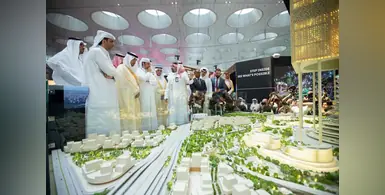
The sheer scale of this year's landmark showcase highlights the immense confidence driving the local market forward. Spanning extensive exhibition space in the heart of West Bay, Cityscape Qatar brings together master developers, government entities, financial institutions, and international stakeholders under one cohesive roof. Attendees are given the opportunity to move far beyond traditional marketing brochures to engage directly with physical scale models, comprehensive master plans, and transparent market data, ensuring that every strategic investment decision is backed by tangible insights rather than mere guesswork.

Whether visitors are seasoned portfolio holders managing multiple assets across different continents or first-time buyers navigating the property ladder for the very first time, the event offers a meticulously structured environment designed to facilitate meaningful connections, expert consultations, and high-value commercial partnerships.

Key Highlights of the Exhibition Floor

To help attendees navigate the vast array of offerings efficiently and make the most of their time on-site, the exhibition floor is structured into dedicated zones and features several standout components:

  • Over 400 Live Projects: A comprehensive, ground-level showcase of residential, commercial, hospitality, and mixed-use developments from more than 70 leading local and international property developers.

  • Targeted Investor Pathways: Tailored guidance mechanisms designed specifically to match first-time buyers, growing investors, and VVIP stakeholders with the most relevant market opportunities.

  • Cityscape Talks: High-level panel discussions and keynote presentations featuring prominent industry leaders, government officials, and urban planners discussing market trends, regulatory frameworks, and proptech advancements.

  • Sustainable Building Innovations: A strong institutional emphasis on green building practices, energy-efficient infrastructure, and smart city technologies shaping the future of property management.

Fostering Collaboration and Long-Term Market Growth

Beyond the individual exhibition booths and networking lounges, Cityscape Qatar continues to act as a vital catalyst for high-volume deal-making and strategic partnerships. Previous editions have consistently demonstrated the incredible financial appetite for prime property in the country, with hundreds of millions of Qatari Riyals transacted directly on the show floor. This year’s gathering builds directly upon that proven legacy, reinforcing Qatar’s position as one of the most stable, secure, and attractive real estate markets in the wider Middle East.

As urban centres continue to evolve rapidly in response to shifting global demands and environmental priorities, events like Cityscape provide the crucial meeting ground where visionary urban planning meets actionable capital. For anyone looking to understand precisely where Qatar's property market is heading next, the exhibition offers an unmatched, comprehensive window into the future of modern urban living.

Held on 1–2 September 2026, the summit was orchestrated by Ooredoo Group and the United Nations Development Programme (UNDP), in partnership with the Doha Institute for Graduate Studies.

The Arab States are taking decisive steps to shift technological ambitions into tangible, country-level action.

Leading this charge, the High-Level Digital & AI Policy Leaders Forum recently convened in Doha to accelerate the rollout of comprehensive digital public infrastructure and equitable policy across the region.

Held on 1–2 September 2026, the summit was orchestrated by Ooredoo Group and the United Nations Development Programme (UNDP), in partnership with the Doha Institute for Graduate Studies. Organised alongside the GSMA and Women in AI, the forum gathered senior officials and experts to transition the region's technological aspirations into actionable governance.

This gathering marks the next operational phase of the Digital Policy Framework (DPF) for the Arab States. Launched at MWC Doha in November 2025 by the UNDP, Qatar's Ministry of Communications and Information Technology, and Ooredoo, this evidence-based framework was designed to help governments construct policies that drive economic growth and social inclusion.

Transitioning from Framework to Implementation

A primary objective of the Doha forum was to equip nations with the tools to assess their digital maturity using the DPF. Over two days, national leaders identified priority reforms and commenced drafting bespoke Digital Policy Roadmaps tailored to their unique contexts.

Discussions tackled vital subjects such as digital public infrastructure, data governance, financial inclusion, and the safe deployment of artificial intelligence.

Hilal Mohammed Al-Khulaifi, Group Chief Legal and Regulatory Officer at Ooredoo, underscored the importance of moving beyond mere technological adoption:

“Digital transformation can create enormous economic and social value for our region, but technology alone is not enough. It requires the right policies, regulatory environment and collaboration between the public and private sectors. The priority now is to move from framework to implementation – understanding where individual markets stand, what needs to change and how we turn policy into tangible progress.”

Biplove Chaudhary, UNDP Technical Representative and Head of the UNDP Qatar Office, explained the mechanics of this regional evolution:

“Digital transformation delivers its greatest impact when connectivity, digital public infrastructure and emerging technologies advance together within an inclusive policy environment. The Digital Policy Framework helps countries identify gaps and prioritise action according to their national contexts. This Forum takes the next step, translating regional ambition into practical country-level implementation, while benefiting from Qatar's leadership in innovation and digital infrastructure.”

Pillars of a Competitive Digital Economy

To navigate modern technological integration, the DPF concentrates on three interconnected structural pillars deemed critical for constructing robust digital economies:

  • Networks and connectivity: Ensuring reliable, high-speed access to bridge the digital divide.
  • Data and digital public infrastructure: Establishing secure frameworks for data sharing and public service delivery.
  • Intelligent systems and applications: Promoting the responsible use of artificial intelligence across crucial sectors like healthcare, education, agriculture, and public services.

The Economic Stakes

The financial implications of digital integration are substantial. Evidence referenced within the DPF highlights massive potential gains for developing nations:

  • A 10% increase in fixed broadband penetration can boost Gross Domestic Product (GDP) by up to 1.5% in developing countries.
  • Artificial intelligence could contribute an estimated US$21–35 billion annually to GCC GDP when deployed under inclusive, accountable frameworks.

Governing these immense economic opportunities requires collaboration. Dr. Abdelwahab El-Affendi, President of the Doha Institute for Graduate Studies, contextualised the forum's necessity:

“This Forum brings knowledge and practice together to address one of our region's defining challenges: harnessing digital technology to strengthen economies, advance human progress and serve society. Success requires balanced governance that enables innovation while managing risk, particularly as AI creates unprecedented opportunities. Through serious collaboration across government, industry and academia, we can turn these opportunities into meaningful, responsible progress.”

By aligning telecommunications leaders like Ooredoo with developmental bodies such as the UNDP, the Arab States are positioning themselves at the forefront of responsible digital acceleration. The journey towards a fully integrated, AI-ready economy is now underway.

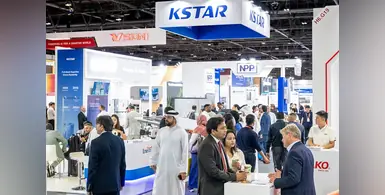
The final day of Middle East Energy 2026 in Dubai has officially brought down the curtain on a landmark three-day summit, uniting more than 1,900 energy companies from over 150 countries and roughly 35,000 industry professionals.

The final day of Middle East Energy 2026 in Dubai has officially brought down the curtain on a landmark three-day summit, uniting more than 1,900 energy companies from over 150 countries and roughly 35,000 industry professionals.

As the event concluded at the Dubai World Trade Centre, discussions pivoted heavily towards execution, cross-border cooperation, and actionable strategies required to accelerate the region's ongoing energy transition. With global electricity demand surging—driven largely by rapid digitalisation, industrial expansion, and the proliferation of artificial intelligence—the conversation across exhibitions and conference halls underscored an urgent mandate: transforming power infrastructure from strategic planning into tangible, large-scale delivery.

AI, digitalisation, and grid resilience

A central theme throughout the concluding sessions was the intricate intersection of advanced technology and modern power systems. As artificial intelligence data centres, smart cities, and heavy industrial applications place unprecedented loads on traditional grids, stakeholders examined innovative engineering solutions to ensure long-term stability and reliability. Industry experts emphasized that grid modernization cannot wait, requiring immediate and sustained investments in advanced software, automation, and real-time monitoring tools.

Furthermore, panel discussions explored how digital transformation optimizes energy efficiency across generation, transmission, and distribution networks. Leaders from government bodies, municipal utilities, and private enterprises noted that enhanced regional power interconnections will play a vital role in building highly resilient energy systems. These networks are uniquely positioned to handle intermittent renewable energy supplies while simultaneously safeguarding overall grid reliability and mitigating operational risks.

Scaling renewables, storage, and infrastructure

The exhibition floor served as a dynamic, interactive hub for showcasing cutting-edge electrical hardware, including high-efficiency transformers, advanced switchgear, and robust energy storage systems. Exhibitors from across the globe demonstrated how modern technological integration is revolutionizing renewable energy deployment across the Middle East. Key highlights and focal points from the exhibition floor included:

  • Over 1,900 global exhibitors showcasing pioneering innovations in electrical transmission, distribution, renewable generation, and critical power solutions.

  • Specialized co-located zones focusing extensively on battery energy storage systems (BESS), solar photovoltaic technology, and electric-vehicle charging infrastructure.

  • The accelerated deployment of major utility-scale solar and wind energy projects across the UAE, Saudi Arabia, and Oman, which continues to boost regional demand for high-grade electrical equipment.

  • Strategic framework discussions addressing the seamless integration of distributed energy resources, decentralised power grids, and advanced microgrid architectures.

Strategic collaboration and capital investment

Beyond technical equipment displays, the final day placed a strong, analytical spotlight on the financing mechanisms and regulatory policy frameworks necessary to fuel long-term infrastructure development. Financial institutions, policymakers, and engineering leaders convened in high-level closed-door sessions to align capital availability with overarching sustainable development goals.

With international commitments officially shifting from high-level climate targets to execution-focused capital deployment, participants emphasized the vital importance of robust public-private partnerships. Navigating complex supply chain resilience, securing critical mineral corridors, and streamlining regulatory approvals were universally identified as non-negotiable milestones for maintaining momentum.

Charting the path forward for regional utilities

As utilities and regulatory bodies navigate the complexities of modernizing legacy infrastructure, regional cooperation remains the cornerstone of success. Leaders at the summit stressed that shared knowledge and harmonised standards will allow Middle Eastern nations to bypass traditional developmental bottlenecks. By embracing cross-border grid links, countries can effortlessly balance peak loads, share surplus renewable generation, and stabilize energy costs across borders. This collaborative ethos not only reinforces national energy security but also positions the wider Middle East as a global leader in sustainable power management and technological innovation.

Moreover, discussions touched upon workforce readiness, highlighting the necessity of cultivating the next generation of engineers and technicians equipped to manage smart power grids. As the curtain falls on this year's edition, the overarching message from Dubai is definitive: the technological tools and robust financial frameworks required to build a sustainable, tech-driven energy future are already within reach, setting the stage for a cleaner, smarter, and more interconnected regional economy.

More Articles …