Negotiations at the International Seabed Authority (ISA) Council have concluded without agreement on a Mining Code or approval of any deep-sea mining activities, highlighting continued divisions over environmental and regulatory concerns.
Over two weeks of discussions, member states failed to resolve key issues including environmental protections, liability frameworks, inspection mechanisms, compliance procedures and benefit-sharing arrangements. Several countries, including France, Costa Rica, Germany, Brazil and Palau, raised concerns over scientific uncertainties and governance gaps, stressing that these must be addressed before any mining proceeds.
The Council also backed an ongoing investigation by the ISA’s Legal and Technical Commission into potential contractor non-compliance. Preliminary findings indicate that one contractor may have breached its obligations under the United Nations Convention on the Law of the Sea. The inquiry will continue, with further updates expected at the Council’s next session.
The investigation comes amid scrutiny of companies pursuing unilateral deep-sea mining pathways, including Nauru Ocean Resources Inc., a subsidiary of The Metals Company. Concerns have also emerged in countries such as Netherlands and Switzerland regarding potential involvement of national entities in such activities.
Environmental groups and policy experts have warned that deep-sea mining could cause significant and potentially irreversible damage to marine ecosystems. They argue that the lack of comprehensive scientific understanding and regulatory clarity presents substantial risks to ocean health.
Support for a precautionary pause continues to grow, with around 40 countries now backing calls for a moratorium on deep-sea mining. Advocates say this approach would allow time to address knowledge gaps, strengthen governance frameworks and ensure that environmental safeguards are robust before any commercial activity begins.
The outcome of the latest ISA Council meeting underscores the complexity of balancing resource development with environmental protection. As negotiations continue, governments face increasing pressure to establish clear rules that safeguard the ocean while addressing future demand for critical minerals.
ISA talks end without deep-sea mining agreement
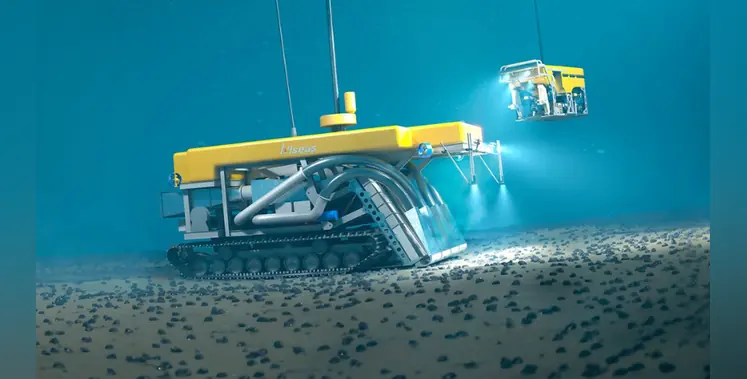
Deep-sea mining could cause significant and potentially irreversible damage to marine ecosystems. (Image source: Gringo/Zemgale via Wikimedia Commons)