







In The Spotlight
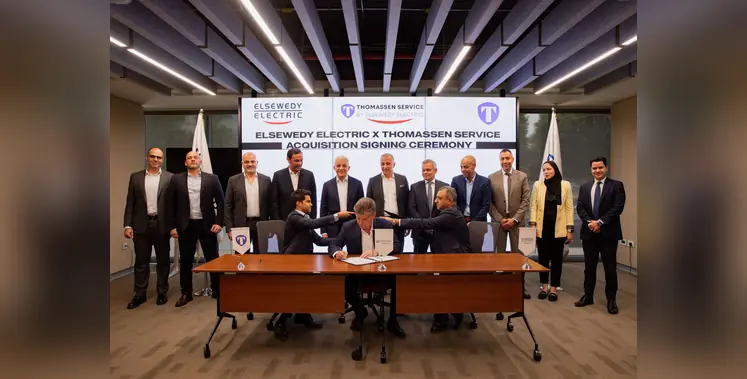
Elsewedy Electric acquires a 60% stake in UAE's Thomassen Service, boosting Middle East gas turbine maintenance.
Elsewedy Electric acquires a 60% stake in UAE's Thomassen Service
Across the Arabian Gulf and the wider Middle East, power generation and industrial development continue to scale rapidly in line with national economic diversification and energy transition goals.
As regional demand for reliable energy infrastructure accelerates, maintaining these complex power generation systems has become paramount for continued growth. Responding directly to this escalating regional demand, Elsewedy Electric, a leading integrated provider of energy and infrastructure solutions operating across Europe, the Middle East, and Africa, has formally announced a strategic acquisition. The firm has successfully acquired a 60% majority stake in UAE-based Thomassen Service, a highly specialised provider known for its gas turbine maintenance and repair services. The announcement, formalised in Riyadh, Kingdom of Saudi Arabia in September 2026, signals a major shift in the regional energy supply chain by consolidating vital maintenance expertise closer to the point of need.
The official agreement was signed by Eng. Ahmed Elsewedy, CEO and Managing Director of Elsewedy Electric, and Eng. Peter Hertog, CEO of Thomassen Service. The formal signing ceremony took place in the presence of Mr. Sadek Elsewedy, Chairman, alongside senior leadership representatives from both organisations.
Historically, maintaining high-performance gas turbines in the region often required significant reliance on overseas facilities for complex maintenance. This acquisition is expected to significantly enhance the company’s ability to deliver high-quality, localised services directly across the region. Supported by Thomassen Service’s quarter-century of technical expertise, Elsewedy Electric expects to mitigate these historical logistical challenges.
Leadership perspectives on sector growth
The strategic alignment between the two firms underscores a mutual ambition for global expansion and technical excellence within the utilities sector.
Eng. Ahmed Elsewedy, CEO and Managing Director of Elsewedy Electric, commented: “This acquisition marks an important step in strengthening our technical capabilities and expanding the value we deliver to our customers across the Middle East, Africa, Europe and the Far East. By combining Thomassen Service’s specialized expertise with our integrated project capabilities, we are well positioned to meet the evolving needs of the energy sector.”
Eng. Peter Hertog, CEO of Thomassen Service, said: “Joining Elsewedy Electric opens significant opportunities to scale our operations and extend our reach into new markets. We are proud to become part of a group that shares our commitment to quality, innovation, and customer focus.”
Future outlook and industry impact
Looking ahead, Thomassen Service is set to benefit heavily from Elsewedy Electric’s financial strength, expansive regional footprint, and integrated engineering and construction ecosystems. This support aims to facilitate its expansion into high-growth markets and reinforce its position within the global energy services landscape.

The Middle East is currently overseeing some of the world's most ambitious infrastructure developments, driving unprecedented demand for high-grade construction materials. Wet processing experts CDE have partnered with Stevin Rock to deliver two major sand and aggregates wash plants at the Al Ghail facility in the United Arab Emirates.
Fuelling UAE mega-projects with advanced wet processing
The Middle East is currently overseeing some of the world's most ambitious infrastructure developments, driving unprecedented demand for high-grade construction materials.
Wet processing experts CDE have partnered with Stevin Rock to deliver two major sand and aggregates wash plants at the Al Ghail facility in the United Arab Emirates. Suppliers must embrace advanced technologies to increase output without compromising quality.
The World’s largest limestone operation
Stevin Rock is one of the world's leading suppliers of rock products for the construction, marine engineering, manufacturing, and industrial sectors. With reserves exceeding 3.5 billion tonnes, the organisation boasts a production capacity of over 100 million tonnes per annum.
Operating a private harbour connected to Saqr Port, it exports throughout the GCC and to the Asia-Pacific, including:
-
India
-
Bangladesh
-
Madagascar
-
Maldives
Advanced wet processing at Al Ghail
To maintain this colossal output, Stevin Rock has turned to CDE for a state-of-the-art technological intervention. The collaboration involves deploying two wash plants designed to process a highly challenging, clay-rich crushed limestone feed at the Ras Al Khaimah site.
A 250 tonnes per hour plant is already operational, successfully enhancing the site's processing capabilities. A flagship 1,000 tonnes per hour wash plant is scheduled to be commissioned in Q3 2027. Together, these installations will guarantee the production of consistent, in-spec aggregates essential for major regional infrastructure.
Brian Howard, Group Projects Director for Stevin Rock, emphasised the strategic importance of the upgrade: ‘This project represents a significant milestone for Stevin Rock as we grow our production capacity to over 100 million tons per annum and reflects our commitment to investing in world class technologies that deliver operational excellence while supporting our long-term sustainability ambitions. We are proud to partner with CDE to deliver this ambitious, global scale project, that will set a new benchmark in sand and gravel washing, demonstrating our shared commitment to resource efficiency, reduction of waste and sustainable supply of high-quality materials for years to come.’
Fuelling the infrastructure of tomorrow
Stevin Rock's materials have historically supported iconic developments, including:
-
The Burj Khalifa and Palm Jumeirah in Dubai
-
Emirates Palace in Abu Dhabi
-
The World Islands development
-
Ras Laffan Port in Qatar, housing the largest Liquefied Natural Gas export facility on the planet
A current focus is supplying materials for Dubai's new Al Maktoum International Airport. When fully complete, it will be five times the size of Dubai International Airport, including over 400 terminal gates to handle over 260 million passengers per year.
Mr Bassem Idriss, CDE’s head of operations for the Middle East and Africa, commented: “Phase one of this mega project is currently on track to open by 2032 and Stevin Rock is one of the key suppliers that has been mobilised to help ensure these timelines are met. To sustain urgent demand for this project and others, Stevin Rock needs to produce 100 million tonnes of material over the next five years, which is no small feat.
“CDE has over 130 plants in operation in the Middle East today. Our technology has supported some of the most ambitious construction and infrastructure projects in the region and we’ve clearly demonstrated our capability to deliver at scale while maintaining quality and consistency.
“So, we’re extremely proud of the positive impact our technology has had across the UAE and how it has brought us to this moment where, in partnership with Stevin Rock, we will continue to build on that legacy by helping build the world's most technologically advanced airport.”
A commitment to regional growth
This large-scale industrial deployment also reflects broader economic and technological cooperation. Swathi Sri, Head of Territory for India, Middle East & Africa at Invest Northern Ireland, congratulated the company and said, “CDE's achievement demonstrates their technological expertise in wet processing solutions as well as the region’s appetite for new technology. The in-market team supported the company with various business development initiatives, including hosting an inward visit by Stevin Rock. We are proud of CDE Group’s ongoing success in the region and will continue to support their ambitious growth in these vibrant markets."
The Sharjah Electricity, Water and Gas Authority (SEWA) has signed a strategic memorandum of understanding (MoU) with the Sharjah Private Education Authority.
Sharjah schools to drive energy efficiency in new SEWA partnership
Embedding environmental consciousness into the foundations of education is becoming a cornerstone for regional sustainable development, ensuring that the next generation grows up equipped with practical knowledge of resource preservation.
The Sharjah Electricity, Water and Gas Authority (SEWA) has signed a strategic memorandum of understanding (MoU) with the Sharjah Private Education Authority. This landmark partnership aims to bolster collaboration in raising awareness and training private school students across the Emirate of Sharjah on the optimal utilisation of natural resources, sustainable practices, and safe electricity and water consumption.
By focusing on educational environments as incubators for environmental stewardship, the initiative bridges theoretical knowledge with tangible, everyday actions. Schools serve as ideal platforms for cultivating lifelong habits, making this alliance a vital stepping stone toward long-term ecological resilience and energy security in the region.
Collaborative Framework and Core Initiatives
The newly established framework sets out a comprehensive blueprint for active student engagement and institutional cooperation. Designed to seamlessly integrate sustainability into school life, the agreement encompasses several key operational pillars:
-
Interactive Workshops and Lectures: Delivery of specialised educational sessions focusing on resource conservation, energy efficiency, and environmental protection.
-
Innovative Awareness Campaigns: Launching engaging campaigns tailored for private school students to foster responsible consumption habits.
-
Specialised Committees: Formation of joint committees and working groups from both authorities to implement structured joint programmes and distribute targeted educational materials.
-
Guidance and Safety Campaigns: Organising targeted campaigns covering security, safety, and best practices in electricity and water usage.
-
Joint Educational Forums: Hosting collaborative forums designed to support the overarching objectives of the sustainability campaign and share best practices across institutions.
Leadership Insights and Strategic Vision
Senior officials from both entities underscored the far-reaching significance of the agreement during the signing ceremony. Majid Hreiml Al Shamsi, Executive Director of the Corporate Support Department at SEWA, noted that the initiative forms part of the authority's broader strategy and its commitment to social responsibility and environmental protection. He emphasised that targeting students represents an important investment in building an aware and responsible society that understands the importance of sustainability and resource conservation. Furthermore, he highlighted that "SEWA is keen to strengthen cooperation with various organisations to promote the responsible use of resources and raise awareness of the importance of conserving electricity and water through a range of programmes targeting different segments of society."
Echoing this sentiment, Taher Ahmed Al Mehrizi, Director of the Administrative Affairs Sector at the Sharjah Private Education Authority, highlighted the transformative potential of early-stage education. He stated that "The MoU represents a significant step towards strengthening institutional partnership and embedding a culture of sustainability among private school students in Sharjah." He noted that "awareness begins at school, adding that instilling positive behaviours in the use of energy and wat opment efforts in the emira
Paving the Way for a Sustainable Future
As urban centres across the UAE continue to expand, initiatives that unite utility providers and educational regulators play an indispensable role in promoting resource efficiency. By equipping students with the tools to champion sustainability within their classrooms and homes, Sharjah is fostering a resilient community culture dedicated to environmental preservation for decades to come.
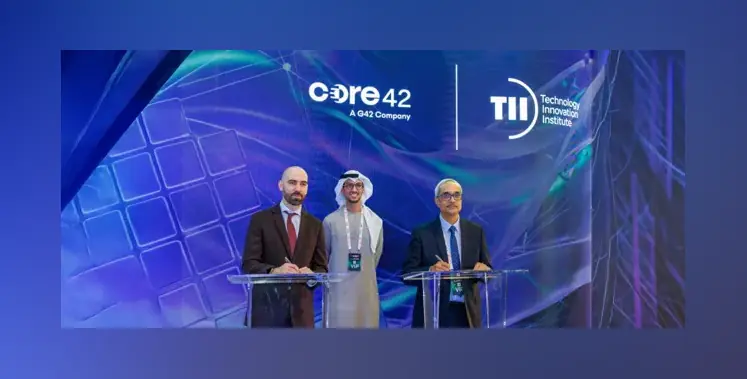
Core42 has signed a strategic collaboration agreement with the Technology Innovation Institute (TII), the dedicated applied research arm of Abu Dhabi's Advanced Technology Research Council (ATRC).
Core42 and TII partner to boost UAE digital sovereignty
The United Arab Emirates continues to solidify its position as a global leader in advanced technology, artificial intelligence, and secure digital infrastructure.
Core42 has signed a strategic collaboration agreement with the Technology Innovation Institute (TII), the dedicated applied research arm of Abu Dhabi's Advanced Technology Research Council (ATRC). Announced at GISEC Global, the partnership aims to accelerate UAE-developed digital sovereignty and elevate next-generation cybersecurity innovation across government and enterprise ecosystems.
As digital transformation accelerates worldwide, the imperative for secure, locally governed technology has never been more urgent. Sovereign cloud capabilities and homegrown cybersecurity solutions are vital for safeguarding critical infrastructure against increasingly sophisticated digital threats and cyber attacks. By uniting Core42’s expertise in sovereign cloud architecture and digital services with TII’s cutting-edge research capabilities, this alliance creates a powerful framework designed to protect national data integrity while empowering organisations to innovate with complete confidence and uncompromised safety.
Advancing UAE-Built Cybersecurity and Sovereign Tech
The collaboration between Core42 and TII brings together two foundational pillars of the UAE's technological ecosystem. While Core42 delivers robust sovereign cloud platforms and scalable enterprise infrastructure, TII contributes world-class scientific research and advanced cryptographic and cybersecurity solutions. Together, both entities will focus on developing resilient technologies tailored to the unique operational requirements of the region, ensuring long-term digital stability.
Key aspects of the strategic collaboration include:
- Enhancing National Security: Developing advanced cybersecurity frameworks and defence mechanisms specifically designed for critical infrastructure protection across vital sectors.
- Accelerating Sovereign Innovation: Fostering local research and development to produce home-grown digital tools that reduce reliance on foreign legacy systems.
- Strengthening Data Sovereignty: Ensuring that sensitive workloads, communications, and institutional data remain securely within the borders of the UAE.
- Collaborative Ecosystem Growth: Aligning public sector goals with private sector agility to build an interconnected, secure digital economy.
A Unified Vision for a Secure Digital Future
This partnership reflects a broader national strategy to foster self-reliance in critical technological domains. The UAE government has consistently emphasised the importance of sovereign AI and robust cybersecurity as foundational elements of a sustainable, future-ready economy. By bridging applied scientific research with enterprise-grade implementation, Core42 and TII are setting a new benchmark for how nations can secure their digital borders while driving economic diversification and technological leadership.
Industry experts have noted that true digital resilience requires far more than just secure storage; it demands continuous innovation in threat detection, cryptographic security, and autonomous defence systems. The strategic alliance between Core42 and TII addresses these complex demands head-on, providing public institutions and private enterprises with the advanced tools necessary to withstand rapidly evolving cyber risks in an increasingly interconnected global landscape, while maintaining strict adherence to national governance frameworks.
Empowering Enterprises and Government Entities
For organisations operating within the UAE, this collaboration translates into practical, secure pathways for digital adoption. As businesses increasingly migrate critical operations to the cloud, maintaining strict adherence to regulatory standards and data protection laws is paramount. The integration of TII's advanced research breakthroughs into Core42’s sovereign infrastructure ecosystem ensures that enterprises can scale their operations smoothly without compromising on security or compliance.
Ultimately, the agreement between Core42 and the Technology Innovation Institute underscores the UAE's unwavering commitment to technological sovereignty. By fostering domestic innovation and reinforcing critical cyber defences, the partnership ensures that the nation remains at the forefront of the global digital economy, fully prepared to meet the challenges and opportunities of tomorrow with absolute confidence and strategic autonomy.
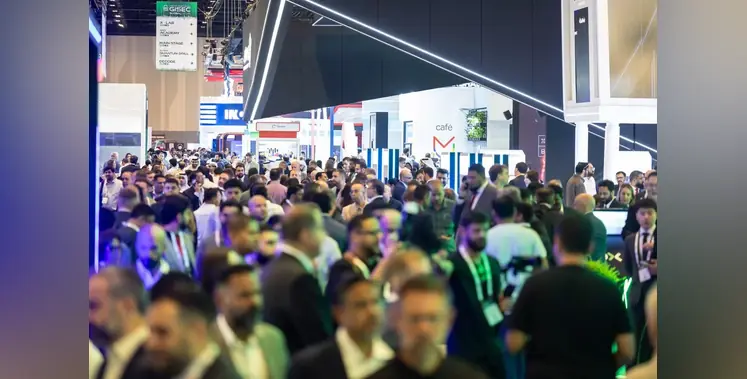
GQX is set to debut alongside GISEC 2027 from May 4 to 6, 2027, at the Dubai Exhibition Centre.
Global Quantum X launches at GISEC to shape quantum era
Traditional encryption methods, which have long safeguarded sensitive government data, financial networks, and critical infrastructure, face severe vulnerabilities from next-generation computing power.
In response to this looming technological paradigm shift, governments, regulatory bodies, and organisations worldwide are urgently pivoting towards quantum-safe migration, proactive defence strategies, and advanced cryptographic frameworks to protect their digital ecosystems against sophisticated future attacks.
This critical evolution takes centre stage with the official announcement of Global Quantum X (GQX) by GITEX, launched in strategic partnership with the UAE Cyber Security Council. Designed as a pioneering dedicated global platform for quantum technology, GQX is set to debut alongside GISEC 2027 from May 4 to 6, 2027, at the Dubai Exhibition Centre. The high-profile initiative aims to accelerate cross-border collaboration, foster international investment, and spearhead national readiness testing in one of the technology sector's most rapidly expanding and transformative frontiers, setting a new benchmark for international cyber resilience.
Bridging the Security Gap in a New Era
The convergence of rapid quantum advancements and modern cybersecurity has become an urgent operational priority for global enterprises and sovereign states alike. While quantum computing promises revolutionary breakthroughs across diverse scientific and commercial fields, it simultaneously threatens the cryptographic foundations underpinning global digital trust and secure communications. Organisations can no longer afford to treat quantum readiness as a distant future concern; immediate strategic action is required to future-proof critical digital infrastructure, safeguard sensitive data flows, and ensure uninterrupted economic stability.
Highlighting the strategic importance of this landmark initiative, Dr. Mohamed Al Kuwaiti, Head of the UAE Cyber Security Council, stated: “Launching Global Quantum X allows us to bring quantum-safe migration, sovereign cryptographic capability and national readiness testing to a truly global stage, and to help governments and enterprises everywhere close the gap between today's defences and tomorroreats,”
Echoing this perspective on the shifting technological landscape, Trixie LohMirmand, Executive Vice President of inD, organiser of GISEC Global and GQX, emphasised the inseparable nature of these technical disciplines: "The same computing power that will unlock breakthroughs in medicine, materials and finance will also put today's encryption at risk, which is why quantum and cybersecurity can no longer be dealt with sepa
Powering the Trillion-Dollar Quantum Economy
The extraordinary urgency behind quantum preparedness is heavily underscored by substantial economic projections and rapidly growing enterprise investments across multiple vital sectors. As international industries prepare for a completely reimagined digital order, key market metrics highlight the vast scale of this technological transition and the critical need for proactive adaptation:
- Massive Economic Value: According to McKinsey’s Quantum Technology Monitor, quantum technology is projected to unlock an astounding $2.7 trillion in global economic value over the coming decade.
- Accelerated Enterprise Spending: Approximately one-third of major global enterprises are already committing more than $10 million annually to dedicated quantum and advanced security initiatives.
- Commercial Adoption: Industries are rapidly transitioning from theoretical exploration to commercial deployment, necessitating robust security frameworks, strict governance, and advanced cryptographic capabilities to maintain long-term business continuity.
Fostering International Resilience and Collaboration
Global Quantum X directly addresses the critical need for sovereign cryptographic capabilities and comprehensive national resilience. As national security authorities, cybersecurity experts, and enterprise leaders grapple with the complex realities of the post-quantum era, dedicated events like GQX provide the essential collaborative framework required to evaluate vulnerabilities, share threat intelligence, and establish unified international standards. By uniting global policymakers, industry researchers, and technology innovators in Dubai, the initiative will help safeguard critical digital assets against unprecedented threats long before quantum computers reach full operational maturity.
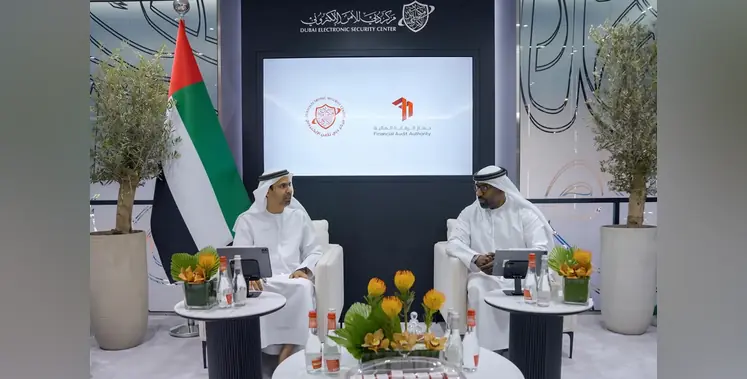
The Dubai Electronic Security Centre (DESC) and the Financial Audit Authority (FAA) have officially joined forces through a landmark memorandum of understanding (MoU).
Dubai enhances cybersecurity and financial oversight integration
The pursuit of a resilient, world-leading digital economy relies heavily on robust institutional integration, seamless knowledge exchange, and advanced regulatory frameworks.
Across the Emirate of Dubai, public sector entities continually refine their cooperative strategies to stay ahead of complex technological and financial challenges in an increasingly interconnected era. Modern governance demands that administrative oversight and cybersecurity infrastructure evolve in tandem, ensuring that digital innovation does not outpace institutional security. In a major milestone toward unified digital resilience, the Dubai Electronic Security Centre (DESC) and the Financial Audit Authority (FAA) have officially joined forces through a landmark memorandum of understanding (MoU).
Signed by Abdulrahman Al Hareb, Director-General of the FAA, and Yousuf Hamad Al Shaibani, Chief Executive Officer of DESC, this strategic agreement establishes a robust institutional framework designed to enhance system efficiency, operational readiness, and compliance assessment across government operations. By bridging the critical domains of cybersecurity and public financial oversight, the partnership sets a new benchmark for cross-sector collaboration in modern public administration. It underscores the shared understanding that safeguarding public assets requires an integrated approach that connects technological defense with rigorous financial accountability.
Key Pillars and Collaborative Framework
The newly minted agreement introduces structured mechanisms for capacity development and mutual technical support across both institutions. Rather than operating in isolated administrative silos, both organisations will pool their accumulated institutional knowledge to refine core oversight practices, streamline reporting workflows, and elevate professional standards.
Key facets of the collaborative framework include:
-
Knowledge Transfer and Best Practices: Mutual exchange of technical and professional expertise across audit, oversight, and compliance assessment, encompassing planning, implementation, and reporting methodologies.
-
Capacity Building and Training: Organisation of joint training programmes, specialized workshops, and active participation in relevant seminars, conferences, and industry events to cultivate specialized talent.
-
Procedural Development: Joint cooperation in formulating advanced procedural guidelines, frameworks, and operational models tailored for modern audit and digital oversight functions.
-
Data and System Resilience: Enhancing preparedness against emerging vulnerabilities tied to complex digital environments, data systems, and interconnected networks across the public sector.
Leadership Perspectives on Strategic Integration
Addressing the significance of the partnership, leadership from both authorities emphasized that contemporary governance requires a unified team approach and active collaboration.
Abdulrahman Al Hareb noted that "the MoU reflects FAA's commitment to expanding institutional cooperation and exchanging specialised expertise to develop oversight tools and methodologies and enhance the ability to address risks associated with systems, t". He further stressed that "effective oversight depends not only on tools and methodologies but also on integrating expertise, exchanging knowledge and benefiting from specialised capabilities across government entities".
Echoing this sentiment, Yousuf Hamad Al Shaibani stated that "the agreement reflects DESC's commitment to advancing a government approach that keeps pace with rapid developments in the digital environment and strengthens the protection of systems and data in accordance with the highest standards and prac added that "cybersecurity is a shared responsibility requiring integrated expertise and teamwork, noting that the partnership will support practical and proactive solutions tnsformation".
Towards a Secure Digital Future
As government agencies worldwide navigate an increasingly digital landscape, partnerships that merge financial accountability with rigorous cyber defence are paramount for long-term stability. By combining the rigorous auditing practices of the Financial Audit Authority with the cutting-edge cybersecurity expertise of the Dubai Electronic Security Centre, Dubai continues to reinforce its administrative integrity and resilience. This strategic alignment ensures that public sector digital assets remain secure, institutional capabilities grow stronger, and the emirate's broader digital transformation roadmap advances on a stable, secure foundation for years to come.
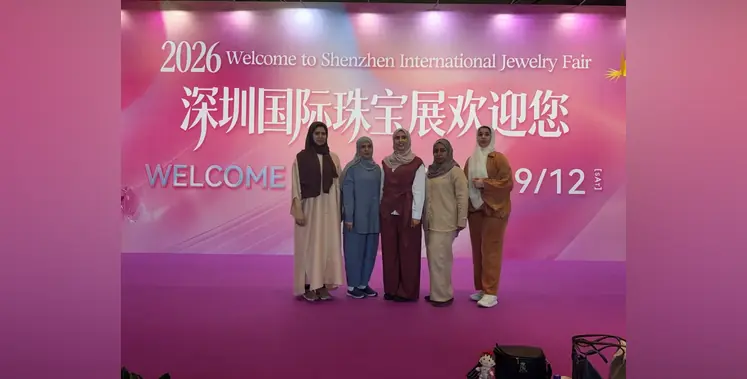
Organised by the Sharjah Chamber of Commerce and Industry (SCCI) through its dedicated "Emirati Goldsmiths Platform", the official visit aims to elevate the creative capabilities of the United Arab Emirates’ emerging talents.
Emirati designers explore advanced manufacturing in China
The global jewellery industry is undergoing a rapid and profound transformation, steadily moving away from purely traditional handcrafted methods to enthusiastically embrace cutting-edge manufacturing technologies.
Across the globe, forward-thinking artisans are seeking innovative ways to blend heritage aesthetics with precision engineering, 3D design, and laser-guided shaping. Placing themselves at the absolute forefront of this industrial evolution, a delegation of Emirati designers and artisans recently travelled to China to meticulously explore the latest advancements that are actively shaping the future of gold and jewellery manufacturing.
Organised by the Sharjah Chamber of Commerce and Industry (SCCI) through its dedicated "Emirati Goldsmiths Platform", the official visit aims to elevate the creative capabilities of the United Arab Emirates’ emerging talents. By exploring one of the world's most dynamic manufacturing landscapes, these ambitious designers are successfully bridging the gap between time-honoured Middle Eastern craftsmanship and highly efficient technological solutions.
Integrating Traditional Artistry with Advanced Technologies
The core mission of the delegation, led by Mona Al Suwaidi, Director of the Executive Office of the SCCI Chairman and the official responsible for the Emirati Goldsmiths Platform, is to facilitate the seamless transfer of knowledge and uncover vital opportunities for strategic cooperation. As the international luxury market becomes increasingly competitive, cross-cultural trade and shared expertise are absolutely essential for regional designers aiming to scale their commercial enterprises.
Throughout their journey, the Emirati artisans have completely immersed themselves in the end-to-end production cycle of modern jewellery manufacturing. Rather than observing from a distance, the designers engaged directly with specialised professional disciplines. The comprehensive, multi-day programme allowed the delegation to closely scrutinise a wide array of vital processes, including:
-
The integration of digital tools and specialised digital software tailored for intricate jewellery design.
-
The use of sophisticated, modern tools for goldsmithing, precise shaping, and highly secure gemstone setting.
-
Advanced, automated techniques for finishing, polishing, and meticulous quality inspection.
-
Strategic commercial approaches to retail, modern product-display methods, and fostering direct business links between independent artisans and large-scale global suppliers.
Discovering Innovations at the Shenzhen Trade Exhibition
A significant highlight of the overseas mission was an extensive visit to a major gold and jewellery trade exhibition in Shenzhen. Known globally as a formidable powerhouse for technological hardware and manufacturing, Shenzhen provided the perfect backdrop for the Emirati delegates to witness the future of the luxury sector in real time.
The bustling exhibition featured an extensive showcase of cutting-edge solutions presented by international manufacturers and equipment suppliers. Key technological innovations thoroughly explored by the delegation included:
-
State-of-the-art 3D design and printing tools capable of rapidly prototyping incredibly complex geometric patterns.
-
High-precision laser cutting and engraving machinery designed for immaculate detailing.
-
Pioneering innovations in precision casting and forming to vastly reduce manufacturing material waste.
-
Advanced gold and gemstone testing technologies to guarantee absolute authenticity and strict quality control.
By critically evaluating how traditional craftsmanship can be seamlessly integrated with advanced technologies, the Emirati Goldsmiths Platform is actively upskilling its members. The initiative successfully reinforces the platform’s approach to adopting advanced design technologies and developing new channels for knowledge transfer. These modern tools not only refine the intricacies of individual designs but also vastly improve manufacturing productivity, boost precision, and minimise material waste.
Strengthening UAE-China Commercial Ties
Beyond the immediate focus on technological adoption, the visit serves a much broader diplomatic and economic purpose. The delegation held highly productive discussions with Her Excellency Mariam Alshamsi, the UAE Consul General in Guangzhou. Their strategic dialogue focused specifically on expanding economic and commercial ties between the UAE and China within the realms of gold, jewellery, fragrances, and creative crafts.
The itinerary also provided a deep dive into China’s rich historical context. The delegates visited a prominent gold museum and a specialised jewellery manufacturing hub to trace the unique evolution of the Chinese gold industry.
Expanding Horizons: The Art of Fragrance
Recognising the interconnected nature of luxury creative crafts, the programme also naturally extended into the boutique fragrance sector. The delegation toured the Xuelei Fragrance Museum in Guangzhou, studying the historical evolution of China's perfume industry. This segment offered valuable insights into the careful extraction of fragrances and essential oils, the complex utilisation of natural ingredients, and the stark contrast between traditional blending techniques and advanced packaging technologies. Ultimately, this strategic expedition ensures Emirati designers are perfectly equipped to thrive in the modern global economy.
Gulfood
Venue:
Dubai World Trade Centre
Dates:
20-24 February 2023
Website:
