In The Spotlight
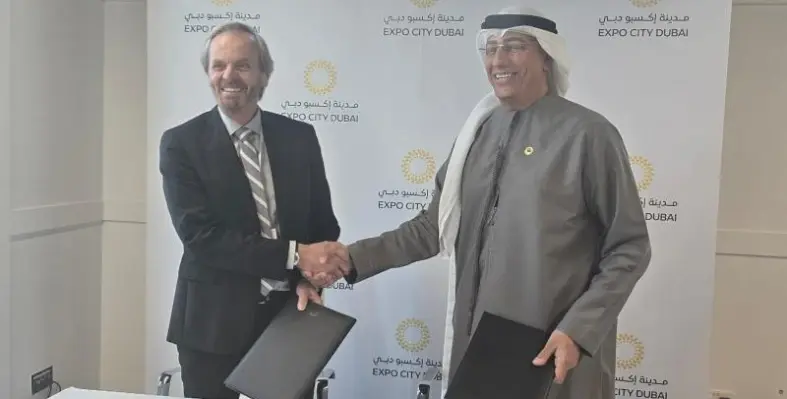
Emirates Global Aluminium (EGA), the world’s largest producer of premium aluminium, and Sunstone, the world’s largest independent pre-baked anode producer, have announced that construction of a new anode manufacturing plant in the UAE will commence in 2026.
The facility will have an annual production capacity of 300,000 tonnes of anodes, marking a significant step towards the UAE’s industrial ambitions under the Make it in the Emirates and Operation 300bn strategies. Once operational, the plant will replace the majority of EGA’s current anode imports and position the UAE among a select group of countries capable of exporting anodes globally. First anode production is anticipated as early as 2028.
EGA and Sunstone formalised the project through a Joint Venture Agreement, with EGA holding a 45 per cent stake and Sunstone 55 per cent. The partners plan to invest approximately US$300 million, proportionate to their respective shareholdings, to develop the new plant. Sunstone will be responsible for building the facility on behalf of the joint venture, with EGA acting as a financial investor and off-taker.
New UAE facility
Anodes are a critical input in aluminium smelting. EGA currently produces around 1.35 million tonnes of anodes annually at its Jebel Ali and Al Taweelah plants, with the remainder of its requirements sourced through imports. The new UAE-based facility will significantly strengthen EGA’s long-term security of supply while supporting domestic industrial growth and export potential.
Abdulnasser Bin Kalban, Chief Executive Officer of EGA, said, “This project creates additional export opportunities for the UAE, further increases EGA’s local procurement and our contribution to UAE economic growth, and supports EGA’s long-term security of anode supply. We are pleased to partner with Sunstone, combining our decades of anode manufacturing experience to establish their first plant outside China in the UAE. This project is Make it in the Emirates and Operation 300bn in action – leveraging UAE industrial demand to build new manufacturing in the UAE to meet local needs and expand exports.”
Lang Guanghui, Chairman of Sunstone, added, “We are honoured to establish our first overseas foothold in the UAE and partner with a benchmark enterprise like EGA, which carries half a century of industry heritage and a mission to shape the future of aluminium. This collaboration represents a substantive move by both parties to respond to the green transformation of global manufacturing. We will go all out to set new benchmarks in efficiency and lay a solid foundation for future sustainable operations.”
EGA and Sunstone have been collaborating through a series of early-stage agreements during project development, most recently signing a joint development agreement at the Make it in the Emirates Forum in May 2025, underscoring their commitment to advancing the UAE’s industrial and export capabilities.
Fakhruddin Properties and Holcim UAE have signed an MoU to jointly advance sustainable construction across the UAE and the wider region.
The agreement brings together Fakhruddin Properties, one of the UAE’s leading sustainability-oriented developers, and Holcim UAE, a key partner for sustainable construction solutions.
It also marks a regional milestone for Holcim, representing its first MoU with a developer headquartered in the Middle East. The partnership reflects Holcim’s ambition to expand its regional footprint while supporting the UAE’s net-zero goals through low-carbon and circular building practices.
The collaboration will draw on Holcim UAE’s expertise in low-carbon and circular construction under its NextGen Growth 2030 strategy, alongside Fakhruddin Properties’ long-standing commitment to sustainable development. Together, the partners aim to deliver future-ready communities that balance environmental responsibility with social value.
Sustainable operations
Fakhruddin Properties is recognised as a multi award-winning sustainability pioneer in the UAE’s real estate sector. The developer introduced the country’s first in-building waste management system, diverting 90% of waste from landfills, and continues to focus on wellness-driven developments through smart home solutions, air purification systems and energy-efficient technologies designed to address rising global energy consumption.
Commenting on the announcement, Yousuf Fakhruddin, CEO and managing director, Fakhruddin Properties, said, “This MoU supports the UAE’s national sustainability agenda and aligns with the 2015 Paris Agreement, reinforcing the UAE’s long-held commitment to achieving net-zero CO2 emissions by 2050. We will work closely with Holcim UAE to reduce both embodied and operational carbon, promote circular economy principles, and scale practical sustainability solutions with full transparency.
“For example, low-carbon materials supplied by Holcim and other manufacturers will be a staple across our future projects. This partnership demonstrates that effective decarbonization requires joint efforts across developers, sustainable solution providers, as well as government and industry stakeholders, combining innovation with measurable climate action.”
Ali Said, CEO, Holcim UAE, added, “Sustainability is not just a goal, it is a shared responsibility that requires collaboration, transparency, and innovation. Through this partnership, we will embed low-carbon, circular, and resilient practices across the built environment. By ensuring traceability of materials along the entire value chain and integrating sustainable design and construction solutions, we will create communities that support wellbeing, respect the environment and nature, and set new benchmarks for sustainable development, starting with the UAE.”
As part of its ongoing commitment to the digitalisation of construction processes, ACCIONA has developed a new digital platform designed to enhance the monitoring of concrete quality and maturity across its projects.
Known as DIGICONCRETE, the platform is intended to improve efficiency, accuracy and transparency in the quality control and traceability of structural concrete elements on site.
DIGICONCRETE enables real-time monitoring of concrete placement and performance by providing remote access to key data on strength development and curing progress.
This allows project teams to oversee critical stages of construction without relying solely on manual inspections or paper-based records. By consolidating information within a single digital environment, the platform supports more informed decision-making and improves coordination between site teams and technical offices.
Through the use of interactive dashboards, DIGICONCRETE streamlines quality control and traceability processes by digitising data acquisition and facilitating verification of compliance with applicable regulations, including updated structural codes.
Key features
The system keeps construction teams continuously informed about the maturity level of each concrete pour, helping to optimise formwork removal and stripping times. As a result, construction sequences can be better coordinated, reducing delays and improving overall site productivity.
The platform incorporates advanced data capture technologies, including optical character recognition (OCR) to digitise documentation, alongside wireless devices equipped with high-precision temperature sensors.
These sensors play a critical role in accurately tracking concrete curing conditions, particularly during the early stages of strength development. DIGICONCRETE is accessible via mobile devices, tablets and computers, ensuring seamless collaboration and information sharing across multiple stakeholders regardless of location.
DIGICONCRETE is particularly well suited to projects in the Middle East, where extreme temperatures and challenging environmental conditions can significantly affect concrete behaviour. In hot climates, accelerated setting times increase the risk of quality issues if curing is not carefully controlled. The platform supports more precise monitoring under such conditions, helping teams mitigate risks, maintain quality standards and optimise construction schedules. Its remote monitoring capabilities are especially valuable for large-scale infrastructure and building projects common across the region.
ACCIONA has already deployed DIGICONCRETE on several projects in Spain, including the new Tax Agency headquarters in Valencia, the Palma de Mallorca Airport terminal remodelling project, and a road construction scheme in Zaragoza. Following these implementations, the company is positioning the platform for broader international rollout, including future projects in the Middle East, as part of its wider strategy to integrate digital solutions into construction delivery.
Ecolab, a global leader in sustainability solutions for water, hygiene and infection prevention, has signed a non-binding MoU with the Saudi Water Authority (SWA) aimed at accelerating water innovation and supporting the Kingdom’s long-term sustainability ambitions.
The agreement reflects a shared commitment to advancing more efficient, resilient and circular water systems in line with Saudi Arabia’s Vision 2030.
The MoU was formalised during the US-Saudi Water Summit 2025, held last month in Palo Alto, California. The summit brought together international water sector leaders to discuss emerging challenges, technological advances and collaborative models capable of transforming water management across the Kingdom. Against a backdrop of rising demand, climate pressures and industrial expansion, the agreement highlights the growing importance of public-private partnerships in securing Saudi Arabia’s water future.
Under the MoU, SWA and Ecolab will collaborate to position sustainable water management as a strategic enabler of national development. By improving water efficiency and reuse, the partnership aims to help safeguard scarce water resources while enhancing water quality across key sectors. These efforts are also expected to deliver wider environmental and economic benefits, including reduced energy consumption, lower CO2 emissions and improved operational efficiency for industrial and commercial operators.
The framework for cooperation includes the exchange of technical insights and best practices across sectors such as data centres, refineries, petrochemicals, heavy industry, desalination, manufacturing, food and beverage, and hospitality.
Key areas of partnership
The collaboration also covers support for water source selection, regulatory development and performance monitoring, alongside workshops focused on advanced digital solutions such as smart water systems and predictive maintenance. In addition, the partners will explore pilot projects within Saudi industrial cities, applying Ecolab’s global technologies under local operating conditions, and identify opportunities to support innovation initiatives, including Rabigh Oasis, the Global Water Innovation Prize (GWIP), collaborative research and development roundtables, and broader innovation promotion programmes.
Ecolab has maintained a strong presence in Saudi Arabia for more than four decades through its Nalco Water business, supporting major industrial players in optimising water use. Today, its solutions are deployed across energy, manufacturing, food and hospitality, helping organisations conserve water, reduce energy consumption and strengthen long-term business resilience while meeting sustainability goals.
His Excellency Abdullah bin Ibrahim Al-Abdulkarim, President of the Saudi Water Authority, highlighted the partnership as a step toward building a world-class water sector that safeguards resources, supports national growth, and demonstrates how innovation and sustainability can secure water for future generations in line with Vision 2030.
Stefan Umiastowski, Ecolab’s Senior Vice President & CEO for India, Middle East, and Africa, said, “This collaboration represents an important step in advancing Saudi Arabia’s Vision 2030 commitment to long-term water sustainability in a region where water is one of the most critical resources. As digitalization and AI reshape economies and create new demand patterns, intelligent water management has become essential for sustainable growth. By combining Ecolab's global innovation capabilities with the SWA’s vision and local expertise, we're creating a powerful platform to scale water transformation across the Kingdom's most strategic industries.”
Overall, the MoU demonstrates how closer collaboration between government and industry can translate sustainability ambitions into measurable outcomes, supporting the transition towards Net Zero while enhancing industrial competitiveness and water security across Saudi Arabia.
Jenan Real Estate Company has announced the full acquisition of the Dana Bay project, signalling a major milestone in its expansion strategy and marking the beginning of an ambitious new development phase under its sole ownership.
The move reinforces Jenan Real Estate’s growing presence in Saudi Arabia’s tourism and real estate sectors, aligning closely with the Kingdom’s long-term economic diversification goals.
The acquisition represents a strategic turning point for Dana Bay, one of the largest privately owned mixed-use waterfront tourism developments in the Kingdom. Located along a prime coastal stretch, the project spans more than 2.8 million square metres and is positioned to become a landmark destination on Saudi Arabia’s eastern seaboard. Once completed, the development is expected to reach a projected value of between SAR 6 billion and SAR 8 billion, underlining its scale and economic significance.
Jenan Real Estate continues to strengthen its role in shaping coastal tourism destinations by delivering fully integrated, high-quality developments that combine striking sea views with premium lifestyle amenities. These initiatives contribute to enhancing quality of life, attracting domestic and international investment, and generating both direct and indirect employment opportunities. The Dana Bay acquisition also supports Saudi Vision 2030 objectives by boosting domestic tourism and establishing leisure and hospitality as key drivers of sustainable national growth.
Through the comprehensive redevelopment of Dana Bay, Jenan Real Estate aims to stimulate domestic tourism by offering a destination tailored to families and visitors seeking a distinctive waterfront experience. The project boasts one of the longest private beaches in the Kingdom and will feature a diverse mix of residential, leisure and hospitality components. These include luxury beachfront villas with uninterrupted sea views, family-friendly chalets located close to the shore, and a wide range of supporting service facilities.
A standout feature of the development is “Loopagoon,” a women-only water park – the first of its kind in the Eastern Province – alongside a dedicated women’s spa and private beach, providing privacy-focused, high-end hospitality experiences. Dana Bay will also host world-class hotels and resorts catering to both local and international guests, as well as a fully serviced marina designed to attract yacht owners, sailing enthusiasts and luxury travellers.
Dana Walk will serve as a vibrant commercial and entertainment hub, offering restaurants, cafés, retail outlets and event venues with panoramic sea views. Premium catering services for events, celebrations and corporate gatherings will further enhance the destination’s appeal.
With plans to unveil a detailed development roadmap featuring major upgrades and new facilities, Jenan Real Estate aims to position Dana Bay as one of Saudi Arabia’s premier waterfront destinations and a key contributor to domestic tourism growth.
AtkinsRéalis, a leading global engineering and nuclear services company, in collaboration with Oman’s Ministry of Energy and Minerals, hosted the “Powering the Future: Oman Electricity Innovation Showcase” on December 10, 2025
The event convened senior leaders from government, utilities, regulators, and the private sector to explore strategies for meeting Oman’s rapidly growing electricity demand driven by AI-enabled economic development. Discussions focused on a balanced energy mix incorporating nuclear power, renewables, AI-ready grids, and storage solutions, all aligned with the nation’s goal of achieving net zero emissions by 2050.
H.E. Mohsin Hamed Saif Al Hadhrami, Undersecretary at the Ministry of Energy and Minerals, commented, “A secure and sustainable power system is central to our industrial strategy and economic ambitions, which includes recently announced initiatives like the Oman Digital Triangle, a gigawatt scale group of three AI superclusters under the National Digital Infrastructure Roadmap. This collaboration highlights technologies and delivery models that can help Oman diversify its energy mix, enhance grid resilience, and accelerate progress toward our national targets.”
The showcase featured sessions on decarbonisation pathways, grid resilience for AI-intensive economies, economic growth opportunities, and the complementary role of reliable nuclear energy alongside intermittent renewables. Lightning talks highlighted the importance of regional grid interconnections, hydrogen, financing, and policy frameworks. Participants engaged in interactive simulations to explore managing a diverse electricity supply mix and examined global case studies on nuclear project delivery and refurbishment.
Todd Smith, vice-president of marketing and business development at CANDU Energy Inc., added, “Reliable, clean, baseload power is the anchor for a modern grid, serving both people and a data-driven economy. Nuclear provides the dispatchable, low-carbon capacity that helps Oman scale renewables without sacrificing stability or affordability. The question is how to design the right mix, attract and sequence investments, drive new industry capacity and growth, and build the institutional capability to deliver at pace.”
The event was timely as Oman’s electricity demand grows at 6.1% annually, with MENA-wide consumption projected to increase by 50% by 2035. Data centre expansion, with installed capacity potentially tripling to 3.3 GW in the next five years and market growth expected to reach US$9.5bn by 2030, underscores the need for scalable, practical solutions to ensure energy security, economic competitiveness, and climate resilience.
Matthew Tribe, global market lead, buildings & places at AtkinsRéalis, said, “Our ambition with this showcase was to rise above the noise and illuminate innovative pathways grounded in evidence, strategic choices, and informed trade-offs. Today, cities, industries, and digital ecosystems converge on a singular imperative: abundant, resilient, and clean energy. In partnership with the Ministry, we have articulated a forward-looking roadmap that harmonises renewables, advanced storage, and grid-forming technologies with proven nuclear solutions, empowering Oman to accelerate near-term growth while steadfastly advancing toward a net-zero future.”
AtkinsRéalis combines extensive global nuclear and grid design expertise with a strong regional presence, drawing on decades of experience delivering CANDU reactors and managing a 7,000-person nuclear workforce. CANDU technology provides Oman and the broader region with a proven pathway to secure, low-carbon baseload power, supporting both grid stability and large-scale renewable integration. AtkinsRéalis remains committed to partnering with governments and industry stakeholders across the Middle East to identify opportunities and co-develop solutions that promote sustainable growth and deliver resilient, future-ready energy and infrastructure systems.
Dubai Electricity and Water Authority (DEWA) has taken another decisive step towards shaping the future of smart and sustainable utilities by exploring strategic collaboration opportunities with Dell Technologies.
HE Saeed Mohammed Al Tayer, MD & CEO of DEWA, welcomed a senior Dell Technologies delegation led by Adrian McDonald, President for Europe, Middle East & Africa; Walid Yehia, Managing Director – Gulf; and Mohammad Amin, Senior Vice President – CEEMETA. The meeting was also attended by Marwan Bin Haidar, Executive Vice President of Innovation and the Future at DEWA, and Mohammed Bin Sulaiman, CEO of Moro Hub, part of Digital DEWA.
The discussions centred on strengthening cooperation to deploy advanced digital solutions that support Dubai’s smart infrastructure ambitions, accelerate green initiatives and transform utility services through innovation. Both parties examined how emerging technologies can play a pivotal role in redefining operational excellence across the energy and water sectors.
Al Tayer affirmed that, in line with the vision and directives of Dubai’s wise leadership to make AI the cornerstone of future initiatives and services in the emirate, DEWA is harnessing the latest Fourth Industrial Revolution technologies, particularly AI, to enhance performance and productivity. He emphasised the critical role of robust IT infrastructure, AI and Big Data analytics in building more resilient, efficient and customer-centric utility services.
The meeting highlighted opportunities for Dell Technologies to contribute its global expertise in digital transformation to support DEWA’s ambitious road maps for sustainable energy, integrated water management and smart city development. Discussions explored modernising critical infrastructure through next-generation IoT, edge computing and advanced data centre solutions to enhance grid reliability, seamlessly integrate renewable energy and optimise water distribution networks.
Both sides also examined how AI, advanced analytics and machine learning can unlock new operational efficiencies through predictive maintenance, intelligent demand forecasting and personalised customer engagement. Sustainability emerged as a core focus, with an emphasis on green data centres, energy-efficient system designs and innovative cooling technologies aligned with Dubai’s environmental goals.
The dialogue concluded with a shared commitment to strengthening cybersecurity frameworks, ensuring the long-term security, resilience and reliability of Dubai’s critical utility infrastructure in an increasingly digital future.
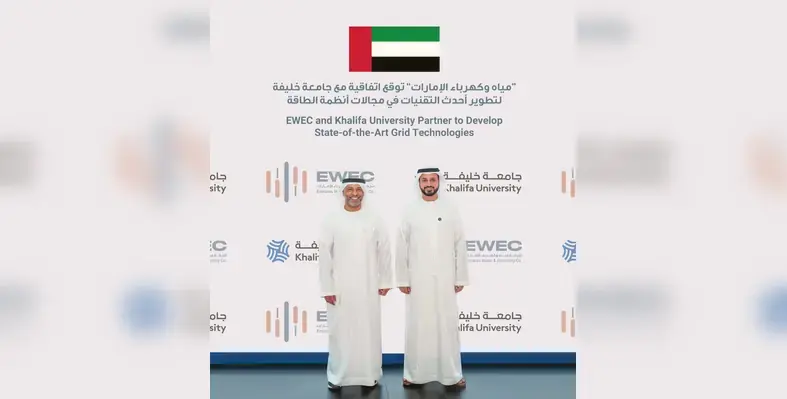
Emirates Water and Electricity Company has announced the opening of registration for its Q1 2026 Clean Energy Certificates auction, which will close on 9 January 2026
EWEC plays a central role in coordinating the planning, procurement, supply and system dispatch of water and electricity across the UAE, and the auction forms part of its wider efforts to support verified clean energy use in Abu Dhabi.
The upcoming auction reflects continued growth in demand for Clean Energy Certificates across the emirate’s economy. Businesses, organisations and individuals are increasingly using CECs, issued by the Abu Dhabi Department of Energy, to confirm that their electricity consumption is sourced from renewable or clean energy. As Abu Dhabi’s only officially accredited mechanism for making renewable and clean energy claims, CECs allow participants to demonstrate measurable reductions in Scope 2 greenhouse gas emissions while aligning with national climate and sustainability objectives.
Interest in the scheme remained strong throughout 2025, with auctions attracting participants from sectors including healthcare, industry, retail, real estate, events and commercial services. Sales volumes reached some of the highest levels recorded since the programme was introduced, highlighting a growing commitment to verified clean energy consumption at scale.
Mohamed Almarzooqi, chief asset development & management officer of EWEC, said, “The continued growth in Clean Energy Certificates usage reflects how organisations across Abu Dhabi are turning decarbonisation plans into verified outcomes. CECs provide a transparent, internationally recognised pathway to renewable and clean energy adoption, enabling companies and institutions to credibly track progress against sustainability goals, reduce Scope 2 emissions, and align with the UAE Net Zero By 2050 Strategic Initiative. As we open registration for the first auction of 2026, we invite all entities, including individuals, to participate and help consolidate the momentum we have collectively built.”
Clean Energy Certificates are the sole accredited instrument in Abu Dhabi for verifying both the environmental and economic value of clean energy consumption. Issued in units of one megawatt hour, the certificates comply with the International Renewable Energy Certificate Standard. EWEC serves as the scheme’s Single Registrant and Auction Operator, overseeing both registration and the auction process.
With more than two billion people lacking safe drinking water and demand projected to exceed supply by 40% by 2030, Saudi Arabia will host one of the world’s leading events dedicated to water innovation and sustainability.
The Innovation Driven Water Sustainability Conference (IDWS 2025) will be held from 8-10 December 2025 at The Ritz-Carlton, Jeddah, under the patronage of HRH Prince Khalid Al-Faisal bin Abdulaziz Al-Saud and organised by the Saudi Water Authority (SWA).
The conference will bring together international leaders, policymakers, and innovators to address urgent water challenges and accelerate progress toward a secure water future.
A key feature of the event is the Global Prize for Innovation in Water (GPIW), the region’s largest water innovation award, which supports breakthrough technologies by connecting innovators with investors and enabling pilot projects in the Kingdom and globally.
IDWS 2025 will also host the second edition of Miyahthon, a hackathon aimed at young innovators and startups developing solutions across the water cycle. The programme includes mentorship, bootcamps, and pathways for incubation and commercialisation.
To strengthen sector capabilities, the Water Academy will introduce advanced professional development programmes in partnership with London Business School and international training institutions.
The conference will also feature technical workshops, peer-reviewed research presentations, and a major exhibition showcasing cutting-edge desalination, treatment, and resource management technologies from companies such as Siemens, ABB, SSEM, ACWA Power, KSB, the Local Content & Government Procurement Authority, and Toray.
IDWS 2025 will gather leading global experts, reflecting its ambition to unite decision-makers across government, finance, academia, and industry.
Mehaideb Saleh Al Mehaideb, chairman of the supervisory committee of the IDWS, said, “Through the Innovation Driven Water Sustainability Conference, the Kingdom reaffirms its global leadership in advancing sustainable water management. IDWS embodies our shared vision to harness innovation, technology, and collaboration to ensure long term water security. By convening the world’s brightest minds and honoring breakthrough solutions through the Global Prize for Innovation in Water, we are creating a legacy of impact that extends well beyond our borders”
To encourage public engagement, the Saudi Water Authority will also launch the “Water Content Creators Award”, a national initiative designed to inspire creative Arabic-language content on water sustainability. The award includes multiple thematic tracks and is open to both individuals and organisations.
Wood has maintained record sales booking in the Middle East for two years straight as it reported more than US$1bn in contract wins across the region in 2025
This marks a 20% increase over awards in 2024, led by regions such as United Arab Emirates (UAE), Iraq, Kingdom of Saudi Arabia (KSA), Bahrain, Kuwait, Oman and Qatar.
The largest award bagged this year has been an engineering, procurement and construction management (EPCM) contract for the expansion of the ADNOC Gas Habshan facility. This comes with the scope for substantial upgrades, operational efficiency improvements, brownfield modifications and the installation of new facilities.
Other deals include project management and engineering services for PetroChina at the West Qurna 1 oilfield in southern Iraq, and project management consultancy (PMC) to TA’ZIZ for the development of the UAE’s first methanol production facility in Al Ruwais Industrial City, Abu Dhabi.
Multiple decarbonisation contracts for flare gas reduction and carbon efficiency project solutions has also been secured across the largest oil fields in Iraq.
"Our continued success in the Middle East shows the trust clients place in our teams and our ability to deliver complex projects at scale in support of national ambitions. In 2026, we’ll build on that momentum by strengthening our local presence and developing talent to drive sustainable growth," said Gerry Traynor, president of projects-Eastern Hemisphere.
"This year we’ve delivered critical solutions across the Middle East to improve asset reliability and cut emissions. In 2026, we’ll build on this success by expanding our operations and maintenance services in the region. Our focus is on proven approaches to asset management and modifications that improve efficiency and reduce downtime - practical steps that strengthen energy security and decarbonisation," said Ellis Renforth, president of operations for Europe, Middle East and Africa.
"Decarbonisation and digitalisation remain central to how we support clients in the Middle East. This year, we launched our specialist Middle East Energy Transition and Digital & AI Hubs to further support clients in accelerating emissions reduction while unlocking efficiencies through AI-driven solutions. This in-region advisory enables practical pathways to carbon reduction while supporting national visions for a sustainable energy future. Delivery has already spanned initiatives such as minerals procurement, hydrogen production facilities, and carbon capture and storage infrastructure," said Stuart Turl, vice president of Middle East Consulting.
Ivanhoe Mines has formalised a new partnership framework with Qatar Investment Authority (QIA) following the sovereign fund’s recent US$500mn strategic investment in the company.
The MoU was concluded during the visit of His Highness The Amir of Qatar, Sheikh Tamim bin Hamad Al-Thani, to the Democratic Republic of the Congo (DRC). During his trip, the Amir held discussions with DRC President Félix Tshisekedi on strengthening ties between the two nations, creating the backdrop for the Ivanhoe–QIA agreement.
Under the terms of the MoU, Ivanhoe Mines and QIA have established a broad framework intended to support the discovery, responsible development and long-term supply of critical minerals required for global decarbonisation and next-generation technologies.
Commenting on the agreement, Robert Friedland said, “The signing of the MoU, together with the strategic investment by the Qatar Investment Authority, is a strong vote of confidence in Ivanhoe Mines and our mission to supply the strategic metals that power global electrification and the rise of AI and large-scale datacentres. We are excited to build this long-term, world-class alliance as we unlock new frontiers in our hunt for the next generation of great discoveries, which we will sustainably mine together.”
QIA CEO Mohammed Saif Al-Sowaidi added, “This MoU is a testament of QIA’s commitment to building strategic partnerships with leading suppliers of critical minerals, supporting global efforts to develop new energy infrastructure and power advanced technologies. We are delighted to be working with Ivanhoe Mines and look forward to further growing our partnership, aimed at generating long-term, sustainable prosperity.”
The cooperation framework specifically recognises QIA’s support for Ivanhoe’s ongoing exploration and development pipeline, including the company’s substantial activities at the Western Forelands project in the DRC, where work continues to advance the Makoko District and other promising targets.
Both parties also intend to explore additional joint opportunities across regions of shared interest, covering mining ventures at various stages of development. Potential areas of collaboration include investment or financing agreements, access to QIA’s network of financial institutions for favourable funding of critical minerals projects, and joint consideration of future strategic mergers and acquisitions.
The MoU further sets out avenues for cooperation on enabling infrastructure—such as logistics, energy and water systems—as well as possible downstream initiatives, including smelting and refining capacity for critical minerals in Africa and other global jurisdictions.
From 1 January 2026, the UAE will expand its restrictions on single-use plastics, banning plastic beverage cups, lids, cutlery, food containers and straws when manufactured from conventional plastic materials.
The move forms part of the country’s wider environmental policy framework aimed at reducing pollution and limiting the long-term environmental impact of disposable products. According to the Ministry of Climate Change and Environment (MOCCAE), products made from plant-based Polylactic Acid (PLA) are recognised as viable alternatives and are excluded from the ban.
The measures stem from Ministerial Decision No. 380 of 2022, which regulates single-use products across the UAE and prohibits the import, production and distribution of specified plastic items. Earlier phases of the regulation already introduced bans on products such as plastic straws, stirrers and single-use shopping bags.
The scope of the regulation will broaden to include additional items such as beverage cups, lids, forks, spoons, chop sticks and food containers when made from plastic. The expanded ban reflects the UAE’s commitment to addressing plastic pollution while encouraging the adoption of more sustainable material alternatives.
PLA applications
PLA, a plant-based material that is compostable and biodegradable, remains exempt from the regulation. Derived from renewable resources, PLA is widely used in applications where hygiene, safety and convenience are essential. Its suitability for both cold and hot drink cups, food containers, straws and cutlery positions it as a practical alternative for sectors such as food service, hospitality and events, where single-use items are still sometimes necessary.
François de Bie, Emirates Biotech CCO, stated that “it’s best to stop using single use products as much as possible and consider reuseable alternatives. But in those cases where reuseable alternatives are not available it is important to recognise that PLA, being a plant-based material, falls outside the scope of the prohibited materials. PLA, like paper, wood and recycled plastics is exempted.” His comments underline the regulatory distinction being made between conventional plastics and materials derived from renewable sources.
Valentina Olabi, Public Affairs Manager of Emirates Biotech, added, “PLA will play a critical role in advancing landfill diversion and circular economy targets. The decision demonstrates constructive collaboration between government, industry and environmental stakeholders. We welcome this recognition of PLA as a practical enabler of the UAE’s sustainability agenda.”
As the UAE continues to strengthen its environmental regulations, the recognition of PLA provides clarity for manufacturers, importers and end users navigating the transition away from conventional plastics. Emirates Biotech has reiterated its commitment to supporting local businesses as they adapt to the new requirements, helping ensure a smooth shift towards compliant, plant-based alternatives that align with the country’s broader sustainability goals.
The EU’s Vision Zero initiative, aiming for zero fatalities and serious injuries on European roads by 2050, has brought road safety into sharp focus.
While infrastructure improvements and driver training remain important, the spotlight has shifted to standardising vehicle safety technology. This is the aim of the EU General Safety Regulation (GSR), a comprehensive framework mandating advanced safety features in new vehicles.
For Europe’s largest asset-based logistics company, Girteka, the results are already evident. The GSR was introduced to tackle the human error factor, which accounts for up to 90% of road accidents, and to make vehicles safer for both occupants and Vulnerable Road Users (VRUs) such as pedestrians and cyclists. Its phased implementation began in July 2022 for new vehicle types with basic advanced systems, progressing to all new registrations in July 2024, requiring a full suite of eight mandatory Advanced Driver Assistance Systems (ADAS) on trucks and buses, including blind spot detection, advanced emergency braking (AEB), lane-keeping assistance, intelligent speed assistance, and driver fatigue monitoring.
Eurostat reports that in 2024 there were over 4 million goods vehicles registered in the EU, with vehicles over 30 tonnes completing 83.1% of total freight transport in tonne-kilometres. HGVs under two years old accounted for 20.2% of road freight, highlighting the sector’s rapid fleet renewal. Manufacturers including Volvo, Scania, Mercedes-Benz, DAF, and MAN have embraced the regulations, incorporating ADAS technologies that were previously optional.
Real-world impact
Scania noted that its trucks already had “most of the required safety assistance technology,” while DAF and Volvo confirmed compliance and projected further advancements in active safety technology. Anna Wrige Berling, Traffic and Product Safety Director at Volvo Trucks, said, “Looking further ahead, trucks will become more intelligent and more active when it comes to safety, with more features that intervene rather than just inform,” emphasising that drivers remain “the most important safety system in the truck.”
Girteka’s experience demonstrates the real-world impact of these regulations. Since July 2024, the company has added over 2,400 GSR-compliant trucks to its fleet, with plans for up to 8,000 more by 2026. Internal data shows a 10% reduction in accidents within a year, particularly in low-speed manoeuvres, small collisions, and blind spot incidents, the very scenarios the new ADAS technologies were designed to address.
Dainius Augutis, Transport Function & Support Department Manager at Girteka, said, “The EU's GSR is a powerful market signal that pushes safety technology from a premium add-on to a universal standard. The collaboration between fleet owners like Girteka, who provide the data and demand, and manufacturers, who provide the engineering, is what makes Vision Zero achievable.”
Beyond metrics, the human impact is profound. Drivers benefit from safer conditions and lower stress, communities face reduced risks, and clients experience fewer disruptions. By combining regulation, advanced technology, and comprehensive driver training, Girteka shows that safety excellence is inseparable from operational excellence. The company’s results underline that well-designed regulations and proactive fleet investment can accelerate safety innovation, offering a blueprint for the future of safer, smarter logistics across Europe.
AMEA Power has reached a key milestone in the development of its 50MW Bondoukou solar photovoltaic project in Ivory Coast, having secured financial close while advancing major construction works on site.
The project is being developed by AMEA Goutougo, a locally registered project company wholly owned by AMEA Power. Situated in the north-eastern Gontougo region, the solar plant is expected to produce around 85 GWh of clean electricity each year.
Once operational, it will supply power to approximately 358,000 households and reduce carbon emissions by more than 52,000 tonnes of CO2 annually.
To maintain project momentum, AMEA Power began early construction activities earlier this year, moving ahead with critical works before financing was finalised. With financial close now in place, the project enters its main execution phase, allowing construction activities to scale up and progress at pace.
The $71.8mn development is being financed by development finance institutions FMO and DEG, underlining continued international backing for Ivory Coast’s renewable energy strategy and confidence in AMEA Power’s delivery capabilities across Africa.
Progressing the region's power facilities
The Bondoukou project aligns with the Government of Ivory Coast’s target to increase renewable energy’s share of the national power mix to 45% by 2030. By adding utility-scale solar capacity, the project will help enhance energy security and reduce dependence on thermal power generation.
Scheduled to begin operations in early 2027, the plant will become AMEA Power’s first operational asset in Ivory Coast. The company is also progressing a second 50MW solar PV project in the country, signalling its longer-term commitment to expanding clean energy capacity in West Africa.
Commenting on the milestone, Hussain Al Nowais, Chairman of AMEA Power, said, “This milestone marks an important step in the delivery of our solar project in Ivory Coast. By progressing early works ahead of financial close and now moving into full-scale execution, we are demonstrating our long-term commitment to the country’s clean energy transition. This project reflects our ability to deliver with pace, discipline and partnership, bringing lasting economic and environmental benefits.”
Beyond power generation, the project is expected to deliver socio-economic benefits through job creation during construction, with an emphasis on local employment, skills development and knowledge transfer. AMEA Power will also roll out community investment and development programmes aimed at delivering lasting positive outcomes for surrounding communities.
Ecolab, a global leader in sustainability solutions for water, hygiene and infection prevention, has signed a non-binding MoU with the Saudi Water Authority (SWA) aimed at accelerating water innovation and supporting the Kingdom’s long-term sustainability ambitions.
The agreement reflects a shared commitment to advancing more efficient, resilient and circular water systems in line with Saudi Arabia’s Vision 2030.
The MoU was formalised during the US-Saudi Water Summit 2025, held last month in Palo Alto, California. The summit brought together international water sector leaders to discuss emerging challenges, technological advances and collaborative models capable of transforming water management across the Kingdom. Against a backdrop of rising demand, climate pressures and industrial expansion, the agreement highlights the growing importance of public-private partnerships in securing Saudi Arabia’s water future.
Under the MoU, SWA and Ecolab will collaborate to position sustainable water management as a strategic enabler of national development. By improving water efficiency and reuse, the partnership aims to help safeguard scarce water resources while enhancing water quality across key sectors. These efforts are also expected to deliver wider environmental and economic benefits, including reduced energy consumption, lower CO2 emissions and improved operational efficiency for industrial and commercial operators.
The framework for cooperation includes the exchange of technical insights and best practices across sectors such as data centres, refineries, petrochemicals, heavy industry, desalination, manufacturing, food and beverage, and hospitality.
Key areas of partnership
The collaboration also covers support for water source selection, regulatory development and performance monitoring, alongside workshops focused on advanced digital solutions such as smart water systems and predictive maintenance. In addition, the partners will explore pilot projects within Saudi industrial cities, applying Ecolab’s global technologies under local operating conditions, and identify opportunities to support innovation initiatives, including Rabigh Oasis, the Global Water Innovation Prize (GWIP), collaborative research and development roundtables, and broader innovation promotion programmes.
Ecolab has maintained a strong presence in Saudi Arabia for more than four decades through its Nalco Water business, supporting major industrial players in optimising water use. Today, its solutions are deployed across energy, manufacturing, food and hospitality, helping organisations conserve water, reduce energy consumption and strengthen long-term business resilience while meeting sustainability goals.
His Excellency Abdullah bin Ibrahim Al-Abdulkarim, President of the Saudi Water Authority, highlighted the partnership as a step toward building a world-class water sector that safeguards resources, supports national growth, and demonstrates how innovation and sustainability can secure water for future generations in line with Vision 2030.
Stefan Umiastowski, Ecolab’s Senior Vice President & CEO for India, Middle East, and Africa, said, “This collaboration represents an important step in advancing Saudi Arabia’s Vision 2030 commitment to long-term water sustainability in a region where water is one of the most critical resources. As digitalization and AI reshape economies and create new demand patterns, intelligent water management has become essential for sustainable growth. By combining Ecolab's global innovation capabilities with the SWA’s vision and local expertise, we're creating a powerful platform to scale water transformation across the Kingdom's most strategic industries.”
Overall, the MoU demonstrates how closer collaboration between government and industry can translate sustainability ambitions into measurable outcomes, supporting the transition towards Net Zero while enhancing industrial competitiveness and water security across Saudi Arabia.
Fakhruddin Properties and Holcim UAE have signed an MoU to jointly advance sustainable construction across the UAE and the wider region.
The agreement brings together Fakhruddin Properties, one of the UAE’s leading sustainability-oriented developers, and Holcim UAE, a key partner for sustainable construction solutions.
It also marks a regional milestone for Holcim, representing its first MoU with a developer headquartered in the Middle East. The partnership reflects Holcim’s ambition to expand its regional footprint while supporting the UAE’s net-zero goals through low-carbon and circular building practices.
The collaboration will draw on Holcim UAE’s expertise in low-carbon and circular construction under its NextGen Growth 2030 strategy, alongside Fakhruddin Properties’ long-standing commitment to sustainable development. Together, the partners aim to deliver future-ready communities that balance environmental responsibility with social value.
Sustainable operations
Fakhruddin Properties is recognised as a multi award-winning sustainability pioneer in the UAE’s real estate sector. The developer introduced the country’s first in-building waste management system, diverting 90% of waste from landfills, and continues to focus on wellness-driven developments through smart home solutions, air purification systems and energy-efficient technologies designed to address rising global energy consumption.
Commenting on the announcement, Yousuf Fakhruddin, CEO and managing director, Fakhruddin Properties, said, “This MoU supports the UAE’s national sustainability agenda and aligns with the 2015 Paris Agreement, reinforcing the UAE’s long-held commitment to achieving net-zero CO2 emissions by 2050. We will work closely with Holcim UAE to reduce both embodied and operational carbon, promote circular economy principles, and scale practical sustainability solutions with full transparency.
“For example, low-carbon materials supplied by Holcim and other manufacturers will be a staple across our future projects. This partnership demonstrates that effective decarbonization requires joint efforts across developers, sustainable solution providers, as well as government and industry stakeholders, combining innovation with measurable climate action.”
Ali Said, CEO, Holcim UAE, added, “Sustainability is not just a goal, it is a shared responsibility that requires collaboration, transparency, and innovation. Through this partnership, we will embed low-carbon, circular, and resilient practices across the built environment. By ensuring traceability of materials along the entire value chain and integrating sustainable design and construction solutions, we will create communities that support wellbeing, respect the environment and nature, and set new benchmarks for sustainable development, starting with the UAE.”
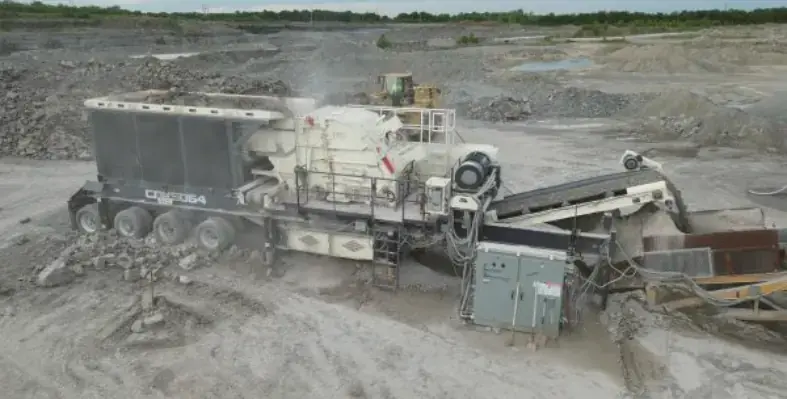
Metso has expanded its screening solutions portfolio with the introduction of the new Grande Series
The series represents a significant enhancement for mining and aggregates operators, delivering high-performance screening technology designed to optimize capacity, uptime, and operational efficiency across the most demanding continuous-use applications.
The Grande Series introduces three new stationary screen types, GLH, GMF and GFF, each engineered to support high-capacity production environments and deliver improved flexibility. With larger screen sizes than previously available in Metso’s lineup, the range enables customers to achieve greater throughput, minimise maintenance interruptions, and tailor their operations more effectively to meet business objectives.
“It’s all about helping our customers succeed with the right tools for their unique needs. With the newly launched Grande Series, customers gain more flexibility, easier screen replacements, and access to solutions for even the most demanding screening tasks,” commented Jouni Mähönen, vice-president, screening business line, Metso.
Screening options designed for varied operational applications
The GLH horizontal screens are optimised for heavy-duty use, including demanding slurry and water-handling duties in mining operations. Meanwhile, the GMF multi-slope banana screens are built to accommodate high-capacity screening for fine and near-size particle processing.
These additions introduce engineered-to-order configurations and ultra-large screen formats that were previously unavailable in Metso’s stationary screen offerings.
The GFF flip-flow screen type adds further capability by enabling efficient separation of difficult materials and fine fractions, reinforcing Metso’s position as a full-scope screening partner.
Compatibility with Trellex screening media ensures the new series integrates seamlessly with Metso’s broader screening technologies, enabling complete end-to-end solutions for users.
Easier replacement of non-Metso screens and flexible reconfiguration options further support customers looking to enhance or modify existing operations without disruption.
“The Grande Series is a result of our continuous screening portfolio development. We are strengthening Metso’s position as a screening solutions partner – expanding our offering with larger screens, lighter duty screens, and new flip-flow technology. With new technologies, larger sizes, and advanced capabilities, we’re expanding our portfolio to support the most demanding applications and strengthen our position in the growing screening market,” remarked Michael Gyberg, vice-president, capital equipment business, Screening, Metso.
Metso will roll out the Grande Series globally, with the GLH and GMF screens debuting publicly in early December 2025, followed by the GFF Series at the end of the first quarter of 2026.
Expanded screening portfolio and service ecosystem
The new Grande Series complements Metso’s broader offering, which includes UFS Series, EF Series, and BSE Series screens within the Metso Plus program, alongside a comprehensive range of multislope, inclined, horizontal, mobile, portable, and ultrafine screening solutions. Paired with Trellex rubber and polyurethane media systems, Metso provides full-spectrum screening solutions for diverse material-handling needs.
Seagull, a UAE-born pioneer in HVAC solutions, has strengthened its industrial footprint with the launch of a new manufacturing facility in the Ras Al Khaimah Economic Zone (RAKEZ).
The company has established its manufacturing unit in RAKEZ’s Al Ghail Industrial Zone with a total investment of AED15mn. Covering an area of 17,045 sq m, the facility comprises a pre-built manufacturing plant designed to enhance operational efficiency while prioritising workforce wellbeing. The plant is now fully operational, with further enhancements underway to position it as a benchmark for world-class manufacturing workplaces.
The new facility has a monthly production capacity of 50,000 sq m of GI coils and will supply key regional markets, including the UAE, KSA, Oman, and Qatar. Seagull currently employs 180 people, with plans to increase its workforce to 300 by mid-2026 as output expands and additional product lines are rolled out.
The development represents the next phase of Seagull’s growth strategy in Ras Al Khaimah. Looking ahead, the company plans to double its factory floor space and expand staff accommodation facilities by 2026 to support rising demand.
Commenting on the expansion, Seagull CFO Taimor Khan said, “Ras Al Khaimah has proven to be a highly strategic base for our operations, offering a cost-effective and growth-oriented environment. RAKEZ team’s professionalism and guidance were instrumental in facilitating our expansion; providing clarity, efficiency, and access to the ideal infrastructure. Their support throughout every stage, from planning to full operational launch, ensured a smooth and successful establishment in the emirate.”
RAKEZ Group CEO Ramy Jallad added, “We are delighted to see Seagull deepen its roots in Ras Al Khaimah with its new facility. Their expansion underscores the growing confidence that industry leaders have in the emirate’s strong industrial ecosystem and business-friendly environment. At RAKEZ, we remain focused on empowering such ambitions with world-class infrastructure, streamlined processes, and long-term partnerships to help them thrive and scale across regional and global markets.”
Through this expansion, Seagull aims to strengthen the UAE’s HVAC manufacturing capabilities while contributing to Ras Al Khaimah’s rapidly developing industrial ecosystem.
Italian shipbuilder Fincantieri and ASRY (Arab Shipbuilding & Repair Yard) have signed an Memorandum of Understanding (MoU) to explore new opportunities for collaboration in the shipbuilding sector
Under the MoU, the two sides will jointly evaluate opportunities for the design and construction of offshore service and military vessels up to 80 metres in length, as well as the potential for export contracts in the Gulf area.
The agreement also includes maintenance, repair, and overhaul (MRO) services for military, commercial and offshore vessels, as well as the exchange of know-how in naval design and production process optimisation.
The military vessels would be intended for use by the Bahrain Navy and Coast Guard.
ASRY is a leading operator in ship repair and marine services in the Gulf of Bahrain.
Fincantieri was represented by its chairman, Biagio Mazzotta, and Eugenio Santagata, general manager of the Fincantieri Naval Vessels Division, who signed the agreement together with Ahmed AlAbri, CEO of ASRY.
Pierroberto Folgiero, CEO and managing director of Fincantieri, said the MoU represents an opportunity for Fincantieri to enter the Bahraini shipbuilding market and is a further step in consolidating the group's strategy and presence in the Middle East.
“This agreement strengthens our strategic position in the Gulf and confirms Fincantieri's desire to develop long-term industrial partnerships with leading partners such as ASRY,” said Folgiero.
“By combining complementary skills and converging visions, we are laying the foundations for a solid and structured presence in the Bahraini shipbuilding market, in line with the objectives of our integrated export platform in the Middle East.”
The signing of the MoU took place on the sidelines of the 46th Gulf Cooperation Council Summit in the presence of Italian President of the Council of Ministers Giorgia Meloni, and Bahrain’s Crown Prince and Prime Minister His Royal Highness Salman bin Hamad Al-Khalifa.
Separately, Fincantieri announced a partnership In Saudi Arabia with King Abdullah University of Science and Technology (KAUST) to establish a scholarship aimed at supporting young researchers in maritime security, cyber-resilience and emerging applied navigation technologies.
It follows an MoU signed last January and reflects a shared commitment of both sides in promoting excellence in education and technology transfer, in line with Saudi Arabia’s Vision 2030, a Fincantieri statement read.
“The scholarship will enable young and talented researchers to develop innovative solutions to counter new threats to navigation, such as recent cases of AIS and GPS spoofing, which can alter vessel positions and compromise the safety of shipping routes,” it stated.
The programme will focus on three strategic areas: the advanced authentication of AIS signals to prevent manipulation; the opportunistic detection of GPS spoofing through intelligent satellite data analysis, and star-based position verification enhanced by machine learning algorithms.
Fincantieri added that the goal is to develop an operational software platform that can be integrated into on-board digital systems, strengthening the collaboration between universities and industry and contributing to the growth of the Fincantieri Digital Ecosystem (FDE).
Most Read
Latest News
Most Read
Latest News
More Articles
Smart cleaning innovation elevates QAIA passenger experience. (Image source: Queen Alia International Airport)

The integrated digital platform is designed to enhance the speed and effectiveness of national response efforts.