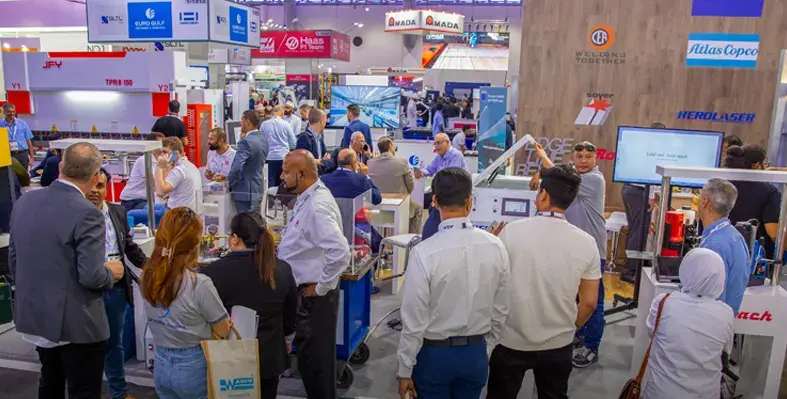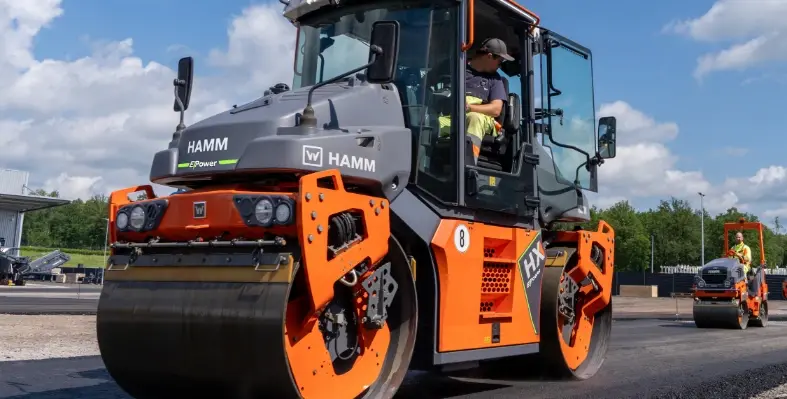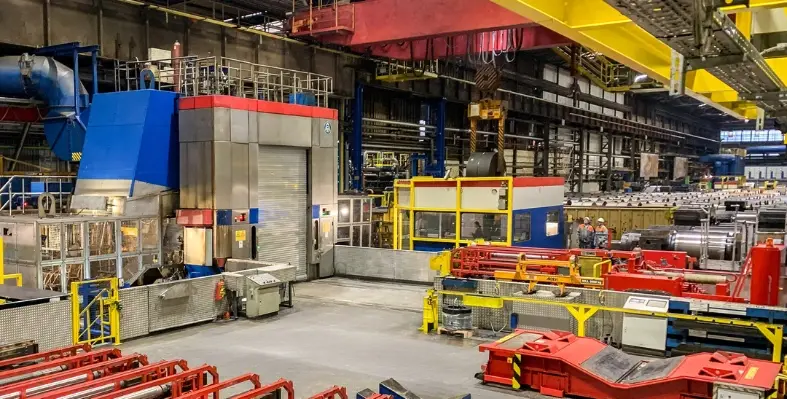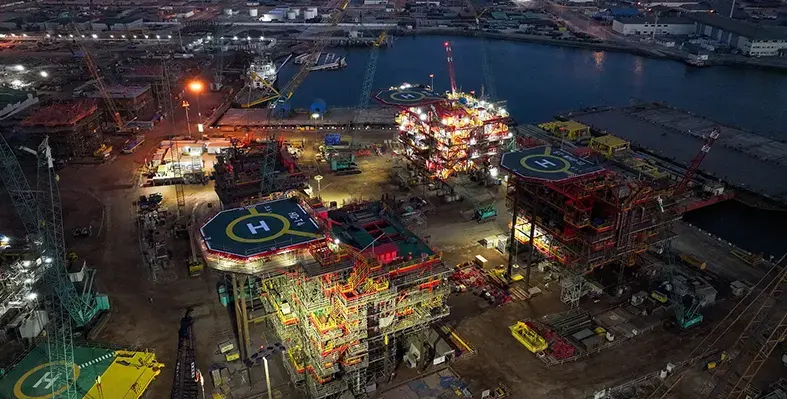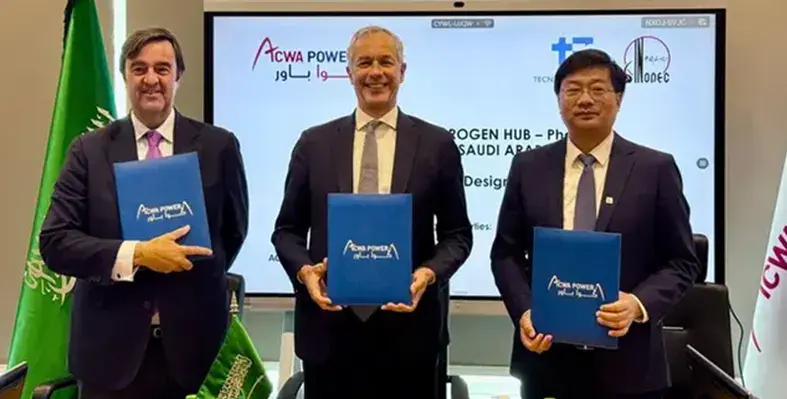



Expo Centre Sharjah is set to host the 20th edition of SteelFab, the Middle East’s leading event for metalworking, metal manufacturing, and steel fabrication industry, from January 13 to 16, 2025.
The exhibition is expected to see extensive participation from local and international companies and manufacturers, as it will feature more than 800 major global brands from 35 countries showcasing their latest technologies and innovations in the metalworking field.
Active international participation and strong footprint of local players
The SteelFab trade show brings together eminent local and international players in the iron and steel industry to showcase state-of-the-art machinery, equipment, and tools pertinent to the metal industries, welding and cutting, pipe manufacturing, and other related industries.
Participants will represent steel industry leaders and major companies from countries like the UK, Germany, India, Taiwan, China, Italy, and Turkey. The exhibition will also host some of the most prominent UAE-based companies.Strengthening Sharjah’s position as a regional metal production hub
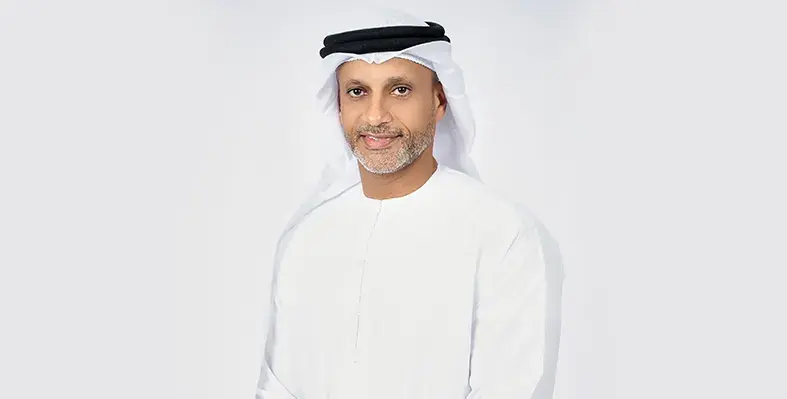
HE Saif Mohammed Al Midfa, CEO of Expo Centre Sharjah, affirmed that SteelFab is the region’s premier event for the metal-manufacturing and steel fabrication industry. It serves as an important platform for manufacturers and companies operating in the field to showcase their latest products and services and connect with potential clients and partners. This will consequently enhance Sharjah’s status as a central hub for the metal industry in the Middle East.
He further noted that the exhibition has demonstrated remarkable success over the past twenty years, reflected in the high participation rates in previous editions. The new edition is expected to draw over 125 international companies and 170 local firms, indicating an increase in the number of exhibitors compared to previous years.
Additionally, there is an anticipated acceleration in the turnout of visitors representing various industrial sectors, promising a successful edition that showcases the latest technologies and advanced equipment in the steel industry.
Focus on advanced modern technologies
SteelFab 2025 exhibition places special emphasis on the latest technologies and cutting-edge equipment used in the iron and steel industries. The upcoming edition will spotlight the latest trends and advancements in the manufacturing, iron, and steel sectors, featuring extensive displays of state-of-the-art laser equipment and metal cutting systems.
Additional attractions
One of the highlights of SteelFab 2025 exhibition is the 4th edition of the Best Welder competition, which is designed to honor welding talent, offering a platform for all welding professionals to demonstrate their skills and talent and compete for excellence awards.
Furthermore, the exhibition will host a two-day conference that will bring high-level speakers and delegates whom exhibitors can network with. The conference will focus on the latest industry innovations, market analysis, and emerging trends in machine innovation and the application of Artificial Intelligence (AI).
To enhance connectivity among steel industry leaders, the 2025 edition will introduce a Buyers Programme, offering exclusive networking opportunities between top industry specialists and exhibitors. The programme is expected to attract over 200 key industry figures from across the GCC.
Plans are also underway to expand this hosted buyers program to the North African region, targeting countries such as Egypt, Morocco, Iran, as well as African nations like Kenya and Nigeria.
In The Spotlight
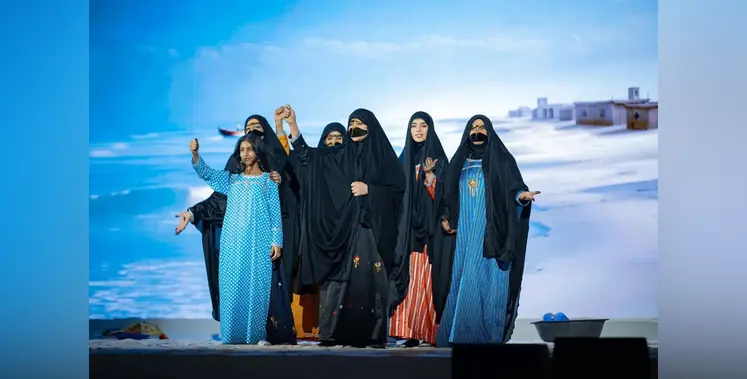
Across three distinct programme themes, the festival explores how the sea forged Emirati identity and passed down core values across generations.
Long before modern skylines defined the coast, the sea shaped the daily rhythms, livelihoods, and social fabric of the Emirates.
That enduring seafaring legacy takes centre stage from 20 to 29 November as the 5th Maritime Heritage Festival returns to the Corniche (East) on Abu Dhabi Beach. Organised by the Department of Culture and Tourism – Abu Dhabi (DCT Abu Dhabi), the ten-day cultural gathering brings together traditional crafts, live performances, coastal cuisine, exhibitions, and hands-on workshops for visitors of all ages.
Aligned with the UAE’s Year of Family, this year’s edition introduces several new activations that blend storytelling with interactive learning. Across three distinct programme themes, the festival explores how the sea forged Emirati identity and passed down core values across generations.
His Excellency Mohamed Khalifa Al Mubarak, Chairman of DCT Abu Dhabi, highlighted the broader cultural purpose behind the event: "The Maritime Heritage Festival reflects DCT Abu Dhabi's enduring commitment to protecting, preserving and promoting Emirati heritage as a living foundation of our national identity. The sea shaped the values our ancestors lived by, including resilience, solidarity and a deep sense of community. These values continue to guide our society and remain an important part of who we are. Preserving our maritime heritage is therefore about more than safeguarding the traditions of the past; it is about ensuring that their significance is understood and carried forward. In the UAE's Year of Family, the festival offers an opportunity to bring generations together, strengthen their connection with our shared history and pass this legacy on to those who follow.”
Traditional performances and maritime storytelling
Live music and theatrical heritage anchor the festival’s stage programme. Headlining this year is the new Traditional Music Performance, which weaves together maritime chants, poetry, and contemporary music. Visitors can also experience a wide array of performing arts throughout the grounds:
- Heritage dances and trails: Performances of Al Ayyalah, Al Nahma, and Al Ahallah run alongside four daily Reenactment Trails inspired by historic coastal life.
- Music gatherings and workshops: Audiences can attend Jalsat music gatherings, majlis-inspired Fann Al-Sot singing on the main stage, and interactive Fann Al-Iqa’a workshops exploring traditional rhythmic styles.
- Family storytelling: Making its debut this year, the Maritime Puppet Show retells classic seafaring tales, complementing the festival’s dedicated Falconry Programme.
Craftsmanship, pearl diving, and historic vessels
A central pillar of the festival is the preservation of hands-on maritime skills. Thirty-three artisans will host live demonstrations and workshops, guiding visitors through techniques that sustained coastal communities for centuries.
- Historic boats: The new Al Mahmal Experience demonstrates traditional Mahmal boat building and historic seafaring life. Nearby, the Traditional Mahmal Exhibition moors vessels such as the Jalboot and Sanbouk along the quay, displaying the tools used on fishing voyages.
- Fishing and pearling: The Al Sayyad and Oyster Opening experiences offer practical insight into traditional fishing and pearl extraction, while the Sail-Making Workshop teaches how sails were crafted for Mahmal boats.
- Oral histories: A dedicated space honours the Heritage Guardians, preserving personal accounts from sailors and pearl divers. Visitors can further explore pearl diving traditions through Al Tawwash, the Al Sinyar Maritime Exhibition, and The Pearl Story.
Family activities, coastal dining, and cultural discovery
Designed for multigenerational visits, the seafront features sandcastle building, partner-led craft workshops, and the Al Aaks Photobooth for traditional keepsakes. Younger guests can collect a Junior Nokhatha stamp for each completed experience, or try four debut carnival games inspired by maritime life: Tila, Al Halqa, Abu Dhabi’s Fished, and Al Nashaba.
Culinary and retail offerings round out the experience. The returning Fish Market hosts a traditional fish auction and a catch-to-grill experience, while The Kitchen: Maritime Edition spotlights regional seafood. Across the site, 33 restaurants—including the Emirati Kitchen and Bait Al Gahwa, which showcases traditional Emirati coffee making—sit alongside 25 souks and more than 30 retail outlets. Visitors can also explore the Abu Dhabi Culture Pavilion for an interactive introduction to the emirate’s museums and leading cultural institutions.
The 5th Maritime Heritage Festival is open daily from 4pm to 11pm on weekdays, and until midnight on weekends.
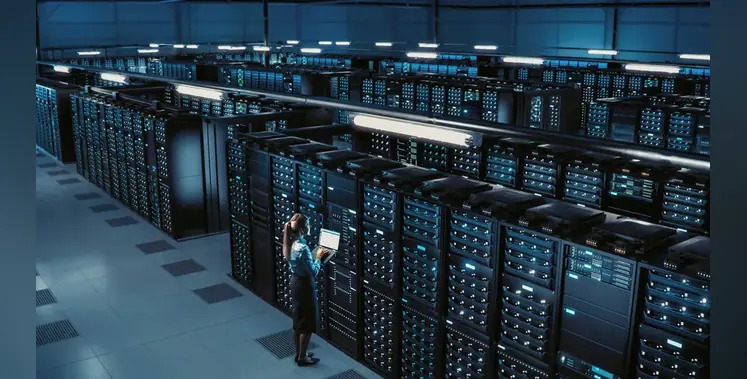
New global research released by Schneider Electric on 20 November 2026 reveals that 55% of enterprises are choosing company-owned, on-premises infrastructure for at least part of their AI deployments to address sovereignty, security, privacy and compliance concerns.
Artificial intelligence is rapidly outgrowing the experimental sandbox, and businesses are rethinking where their workloads should live.
New global research released by Schneider Electric on 20 November 2026 reveals that 55% of enterprises are choosing company-owned, on-premises infrastructure for at least part of their AI deployments to address sovereignty, security, privacy and compliance concerns. Conducted by Omdia on behalf of Schneider Electric, the survey polled enterprise leaders across Europe, North America and APAC, spanning healthcare, financial services, life sciences, government, education and manufacturing. Respondents included IT professionals, product engineering and research and development teams, alongside executive leadership and general management.
Surging budgets and measurable returns on AI investment
Across industries, AI pilot programmes are multiplying, backed by rising budgets and tangible returns. Rather than relying heavily on costly frontier AI models, the most technologically advanced systems available, many enterprises prefer to develop and manage their own IT and build optimised models, particularly for smaller tasks where costs can otherwise escalate unnecessarily.
Key findings on enterprise AI momentum include:
-
Primary adoption drivers: Increased productivity tops the list at 35%, followed by cost reduction (25%) and time savings (22%).
-
Active deployments and pilots: While 23% of respondents already have AI models delivering value, 63% plan to deploy generative AI applications and 73% are running five or more proofs of concept.
-
Proven returns: Among companies with implemented projects, 60% report ROI meeting or exceeding expectations, including 29% realising a 2-5x return and 17% seeing a 5-10x return.
-
Expanding budgets: Over half of respondents had 2026 AI budgets above $500K, with 31% exceeding $1M. Looking ahead, 78% expect budgets to rise next year (nearly 30% predict an 11-25% year-over-year increase), while 16% expect unchanged spending and only 6% foresee a decrease.
“As AI moves from experimentation to real-world application, enterprises are focused on making these technologies deliver measurable business value at the right speed, accuracy and cost,” said Paul Tyrer, Global Vice President, AI Ecosystem, at Schneider Electric. “This research from Schneider Electric and Omdia highlights both the opportunities and the challenges organizations face as they formulate and implement AI strategies and supportive technologies. Understanding where organizations are making progress and where they need support is critical to helping them move forward with confidence.”
Infrastructure hurdles and the push towards on-premises AI
Turning promising pilots into full-scale production remains a steep climb. More than half of respondents report that at most one in five proofs of concept reach production, largely due to human and infrastructure bottlenecks:
-
Skills and integration gaps: 33% point to a lack of in-house expertise blocking full-scale deployment, while 32% struggle with architectural complexity and integrating AI into existing infrastructure.
-
Reasons for keeping AI in-house: Among the 55% favouring company-owned, on-premises environments, data privacy and security (30%), reliability requirements (22%) and regulatory compliance (21%) are the primary drivers.
-
Deployment roadblocks: When rolling out new infrastructure, scaling AI IT clusters (27%), managing costs (25%) and sourcing power and cooling infrastructure (22%) emerge as the top three hurdles.
Relying on partner ecosystems to bridge the expertise gap
To clear these operational hurdles, most businesses are looking outside their own walls. Nearly six in ten (59%) rely on external partners to shape their AI strategy, and 67% depend on outside support for implementation, working across cloud providers, infrastructure vendors, software platforms, systems integrators and specialist AI partners.
“As enterprises work to develop and manage their own AI environments, the lack of internal expertise remains a significant barrier and a leading reason proofs of concept fail,” said Maxine Holt, Vice President, Enterprise & Channel Research, at Omdia. “By leveraging existing partners and resources such as reference designs and validated architectures, organizations can navigate the complexity of AI infrastructure while aligning investment with deployment needs and accelerating time to adoption and business value.”
Supporting this transition, Schneider Electric is advancing AI-ready data centre modernisation through new power and liquid cooling technologies, reference designs developed with NVIDIA and AMD, and RapidScale prefabricated modular data centre solutions built to simplify deployment and reduce infrastructure risk alongside chip manufacturers, system integrators and server providers.
Big 5 Global is set to kick off next week at Dubai World Trade Centre, opening its doors from 23 – 26 November for four days of sourcing and product discovery.
Rapid urban expansion and ambitious infrastructure programmes are reshaping how cities are designed, financed and built.
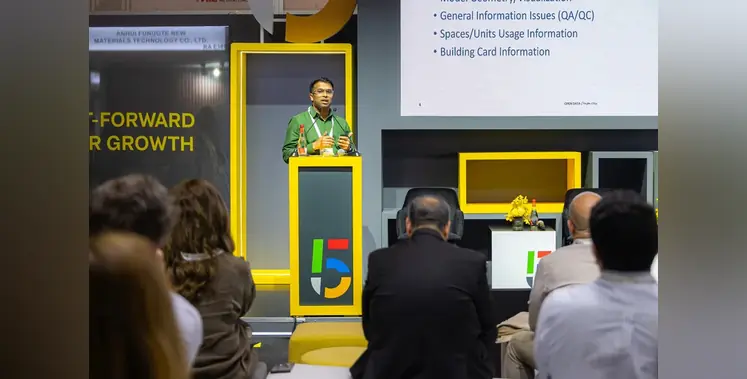
Next week, the industry behind that transformation convenes in Dubai as Big 5 Global opens its doors at Dubai World Trade Centre from 23 to 26 November. Now in its 47th edition in the UAE, the four-day event brings together buyers, suppliers and policymakers from across the region for product discovery, sourcing and strategic debate.
Aligning infrastructure investment with urban resilience
As governments across MEASA channel capital into transport, energy and civic projects, the focus is shifting towards long-term economic competitiveness and liveability.
"The UAE is building infrastructure not only for today's needs, but for the opportunities of tomorrow. Our investments in infrastructure are strengthening economic competitiveness, enhancing quality of life and creating smarter, more sustainable and resilient cities. Big 5 Global brings together the expertise and innovation needed to help shape the future of the built environment," said H.E. Suhail Mohamed Al Mazrouei, UAE Minister of Energy and Infrastructure.
To support these policy goals, the event features three Leadership Summits where government representatives and senior decision-makers will examine leadership priorities, liveable and resilient cities, and technology and innovation. Alongside these forums, the CPD-certified Big 5 Talks programme will address practical industry standards, including building codes and fire protection.
Environmental regulation is also on the agenda. An invite-only AHRI-UNEP Workshop will convene representatives from UNEP, the League of Arab States and National Ozone Units across West Asia to discuss Kigali Amendment implementation and the transition towards low-GWP refrigerants.
Lower-impact solutions take centre stage
Decarbonising construction sites and reducing material waste remain pressing priorities for contractors. Returning to the exhibition floor this year, the Big 5 Global Impact Trail directs visitors towards suppliers offering lower-impact alternatives for project delivery:
- Al Masaood will showcase Instagrid ONE, a portable battery designed to eliminate generator emissions and reduce on-site noise.
- Comus is presenting Izi R, a paint formulated from recycled windscreens and marble waste.
- Cosaint Solutions will feature Frigi-Tech, a technology that lowers HVAC compressor friction and reduces energy consumption.
- Unidome Deutschland will demonstrate a recycled-plastic voided slab system engineered to cut concrete and steel usage.
Global supply chains and industry newcomers
With more than 1,800 exhibitors representing over 60 countries, the exhibition floor spans heavy machinery, building systems, materials and specialist services. Returning global names include Liebherr, Bauer, SANY, Zamil Steel, Honeywell and Soudal. They are joined by several first-time exhibitors, including Midea, Doosan Engines, Einhell, Reynaers and Innovo Group.
Commenting on their participation, Bishoy Azmy, CEO, Innovo Group, said: "In an increasingly complex built environment, innovation is no longer optional. Delivering safer, more sustainable, and higher-performing assets depends not only on adopting technology, but also on building the infrastructure, capabilities, and readiness to deploy it at scale. As Big 5 Global's Innovation Construction Partner, we at Innovo look forward to engaging with industry leaders, exchanging insights, and contributing to the conversations shaping the future of the UAE's built environment."
Digital construction and start-up ecosystems
Technology adoption is another defining theme of the 2026 edition. Digital Construction World will highlight advances in AI, data and digital systems, construction software and smart buildings, with exhibitors such as ePROMIS, Benetics AI, Fibreson and In4Velocity.
Running alongside it, Startup City connects ConTech, PropTech, InfraTech and EarthTech start-ups with developers, investors and government leaders looking to boost productivity and streamline site operations. Participating start-ups include Azraq, Fidchem, Forensica, Sythentica and Signax.
“The priorities facing construction are clear: delivering projects efficiently, improving asset performance, strengthening capabilities and making better use of technology," said Josine Heijmans, Senior Vice President, dmg events. "The discussions and business taking place at Big 5 Global will reflect the decisions companies must make to remain competitive and meet the region’s evolving requirements.”
Registration for the event is open at www.big5global.com.
Shell Lubricants showcased a highly specialised proof-of-concept vehicle at ADIPEC 2026 in Abu Dhabi.
The automotive industry faces critical hurdles surrounding energy efficiency, vehicle weight, and charging infrastructure, as the global transition toward electric mobility accelerates.
Historically, manufacturers addressed range anxiety by integrating increasingly larger battery packs. However, this approach inherently adds substantial weight, compromising overall driving efficiency. Today, the focus is shifting toward an alternative solution: advanced thermal management. By regulating heat generation more effectively, engineers can extract greater performance and faster charging capabilities from smaller, more compact battery systems.
Demonstrating the viability of this approach, Shell Lubricants showcased a highly specialised proof-of-concept vehicle at ADIPEC 2026 in Abu Dhabi. The showcase highlighted how next-generation fluid technologies can fundamentally alter the physics of electric vehicle (EV) charging, negating the need for oversized battery architectures.
Overcoming the charging bottleneck
Presented as the Triple 10 Challenge car, the concept vehicle serves as a working exploration into the future of electric mobility. Rather than equipping the vehicle with a cumbersome battery pack, engineering teams combined a compact energy storage system with pioneering thermal fluid technology. This architecture is designed specifically to manage heat distribution across the vehicle during high-stress operations.
The project was anchored around three defining ambitions:
-
Achieving a charging cycle from 10% to 80% in under 10 minutes.
-
Reaching a driving efficiency metric of 10 kilometres per kilowatt-hour (km/kWh).
-
Targeting a total lifecycle carbon footprint of approximately 10 tonnes of CO2 equivalent (CO2e).
During testing, the vehicle charged from 10% to 80% in just 9 minutes and 54 seconds. Notably, this was achieved using a standard 175 kW public charger, adding 24 kilometres of driving range for every minute plugged in. The design targets 10 km/kWh driving efficiency, representing an improvement of more than 30% compared with many current-generation electric vehicles.
Next-generation thermal fluid technology
At the core of this engineering breakthrough is the Shell Recharge Thermal Fluid. This specialised dielectric fluid facilitates a dual-cooling approach that manages thermal loads dynamically. It enables direct immersion cooling for battery cells, ensuring uniform temperature regulation, while providing indirect cooling for powertrain components, including the electric motor and power electronics. This supports a simplified cooling architecture, reducing the thermal stress typically caused by fast charging.
Addressing this development, Haytham Yehia, General Manager, Shell Lubricants Middle East, Egypt and Central Asia, stated: "The Shell Triple 10 Challenge concept car is a powerful example of how we're taking our expertise in advanced fluids beyond traditional lubrication. We're increasingly looking at how our technology can help customers address challenges around efficiency, performance and thermal management. For the Middle East, where we see growing opportunities across mobility, digital infrastructure and industrial applications, innovations like these demonstrate the value of combining Shell's global technology capabilities with strong regional partnerships."
Expanding cooling solutions across industries
The implications of sophisticated thermal management extend beyond the automotive sector. Alongside the concept car, the showcase featured comprehensive portfolios of coolants and immersion cooling solutions tailored for broader industrial demands. As global reliance on artificial intelligence and cloud computing intensifies, data centres and battery energy storage systems face unprecedented cooling requirements. Specialised fluids are becoming essential to maintain operational reliability.
Aysun Akik, Shell Lubricants’ Vice President of New Business Development and Global Key Accounts, highlighted this potential: "It's exciting to bring the Triple 10 Challenge concept car to ADIPEC and give visitors the opportunity to see the technology up close. What makes this concept so interesting is how much difference effective thermal management can make to EV performance. We've also had some great conversations with customers and partners about how advanced cooling technologies can support their own operations, and we're looking forward to building on those discussions beyond ADIPEC."
The exhibition coincided with the company marking 20 consecutive years as the world's number one finished lubricants supplier, according to Kline & Company's 2026, 24th Edition Global Lubricants Market Analysis and Assessment. Through ongoing technical innovation, advanced fluid capabilities continue to address changing requirements across mobility, energy, and digital infrastructure.
ENOC Group has announced significant milestones in energy efficiency, water conservation, and sustainable resource management on the sidelines of the Water, Energy, Technology and Environment Exhibition (WETEX) 2026 in Dubai.
Managing energy intensity, reducing emissions, and securing reliable freshwater alternatives are no longer peripheral goals but central pillars of operational resilience.
ENOC Group has announced significant milestones in energy efficiency, water conservation, and sustainable resource management on the sidelines of the Water, Energy, Technology and Environment Exhibition (WETEX) 2026 in Dubai.
Operating under the exhibition’s theme, “At the Forefront of Sustainability”, the integrated global energy player is demonstrating how targeted investments in green technologies and responsible resource allocation are yielding substantial commercial and environmental dividends.
Driving energy efficiency and emissions reduction
Decarbonising energy-intensive processing remains critical to the region’s broader net-zero trajectory. Through sustained integration of its Energy and Resource Management (E&RM) initiatives, the group has fundamentally restructured its consumption patterns. Since 2014, ENOC has invested AED 156.05 million in these specific programmes, resulting in a structural transformation of its energy overheads.
Key performance benchmarks include:
-
An improvement in overall energy intensity by 21.7 per cent since 2014.
-
A reduction in scope 1 and scope 2 greenhouse gas emissions intensity by 11.5 per cent.
-
The avoidance of approximately 1.47 million tonnes of carbon dioxide equivalent (tCO₂e) in cumulative emissions.
-
More than AED 478 million generated in cumulative financial savings across the group.
-
Over AED 75 million in savings derived exclusively from renewable energy integration since 2017.
-
A comprehensive waste recycling rate of 65.24 per cent achieved during the 2025 operational year.
Elevating industrial water security and circular reuse
Beyond emissions mitigation, securing reliable water supplies represents a primary operational challenge in arid climates. Industrial operations across the region are increasingly aligning with the UAE Water Security Strategy 2036, which mandates a 21 per cent reduction in total water demand and an ambitious target to increase the reuse of treated water to 95 per cent.
ENOC is actively advancing these national targets by embedding water conservation deep into its value chain. In 2025, the organisation successfully recycled 688,785 cubic metres of treated water across its footprint—a volume equivalent to approximately 275 Olympic-sized swimming pools. This achievement secured a robust water recycling rate of 24.45 per cent. Concurrently, overall water intensity dropped to 0.0491 cubic metres per tonne of product, reflecting an approximate 20.4 per cent reduction compared to the 2014 baseline.
Highlighting the strategic importance of these initiatives, Hussain Sultan Lootah, Group Chief Executive Officer, ENOC Group, said: “Water security and responsible resource management are fundamental to the long-term resilience and competitiveness of the energy and industrial sectors, where water is essential to critical processes and operational continuity. As demand for energy and industrial output grows, so does the responsibility to use resources more efficiently, reduce pressure on freshwater supplies and integrate sustainable practices across the value chain.
“At ENOC, we are embedding this approach into our operations through practical solutions that expand water reuse, minimize waste and maximize resource efficiency. Our participation at WETEX 2026 provides an important platform to demonstrate how these efforts are translating into measurable progress, while contributing to the UAE’s long-term water security and sustainability ambitions.”
Tailoring recovery solutions across the value chain
Achieving these group-wide metrics requires engineering bespoke water and waste management schemes across specific midstream and downstream facilities. At the Jebel Ali refinery, for instance, approximately 72,389 cubic metres of treated wastewater was repurposed in 2025 for irrigation and industrial supply. This redirection significantly reduced freshwater demand and generated an estimated AED 812,107 in annual cost savings.
Similar circular principles are being deployed within the organisation's gas operations. Dubai Natural Gas Company Limited (DUGAS) treated and reused roughly 50,053 cubic metres of wastewater in 2025, securing an 18.2 per cent recycling rate. Meanwhile, Emirates Gas retains water from LPG bullet cleaning for subsequent washing cycles and recirculates run-off from cylinder-cleaning operations wherever viable.
At the retail level, water recycling systems integrated into the service station network recovered 527,043 cubic metres of treated car-wash water in 2025, reaching a dedicated recycling rate of 67.6 per cent. Furthermore, across terminals, aviation sites, and the ENOC Lubricants & Grease Manufacturing Plant (ELOMP), advanced oily-water separation systems enabled the transfer of 3,273 tonnes of recoverable slops to approved recycling contractors in 2025. Complementing these large-scale efforts, the Dubai Lubricants Processing Plant (DLPP) recently introduced a water purification system that drastically reduces reliance on bottled water, projecting an additional AED 15,000 in recurring annual savings.
ALEC FITOUT has inaugurated a state-of-the-art 7,500m² bespoke fabrication facility in Ras Al Khaimah.
The Middle East's luxury hospitality, cultural, and entertainment sectors are experiencing unprecedented development, driving demand for complex architectural finishes and localized production capabilities.
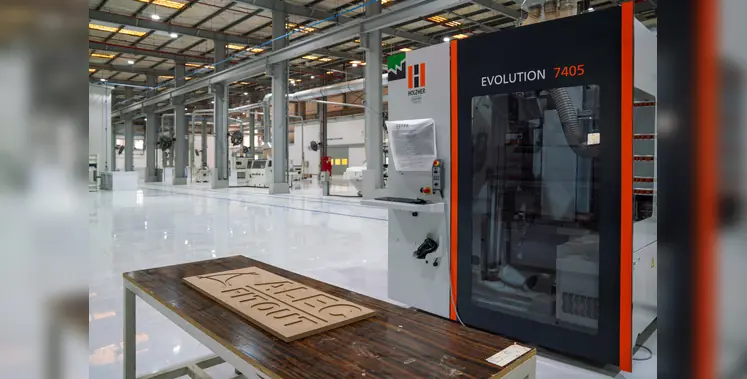
Addressing this regional shift, interior fit-out specialist ALEC FITOUT has inaugurated a state-of-the-art 7,500m² bespoke fabrication facility in Ras Al Khaimah. The strategic investment substantially scales the firm’s domestic manufacturing capacity, enabling it to deliver intricate joinery, metalwork, decorative features, and large-scale immersive installations across the UAE, Saudi Arabia, and the wider region.
Beyond expanding output, the new hub generates over 200 specialist employment opportunities spanning design, engineering, machine operation, and traditional craft disciplines. By anchoring high-value fabrication within the emirate, the facility directly supports the objectives of the federal "Make it in the Emirates" programme. It strengthens domestic supply chain resilience, diminishes reliance on imported architectural elements, and provides the industrial backing required to execute fast-track luxury schemes.
Strategic proximity to landmark tourism developments
The decision to situate the plant in Ras Al Khaimah directly addresses the logistics required for colossal projects underway across the northern emirates. Chief among these is Wynn Al Marjan Island, an ambitious integrated resort development that stands as one of ALEC FITOUT’s largest delivery contracts to date.
Delivering major interior packages for properties of such magnitude requires stringent dimensional control, continuous quality oversight, and rapid turnaround times. By stationing advanced machinery within close physical proximity to the site, the contractor secures immediate fabrication support. This ensures that custom elements for hotels, museums, ultra-prime branded residences, and experiential venues move seamlessly from digital drawings into finished physical installations.
Integrated machinery and advanced production lines
To execute highly intricate designs, the facility integrates 24 specialized machines covering every phase of bespoke fabrication. The infrastructure includes comprehensive timber processing systems, high-specification joinery, and an autonomous metal fabrication division:
-
Computerized numerical control (CNC) machining and automated precision cutting units
-
Dedicated timber profiling lines, modern veneer-pressing equipment, and specialist surface-finishing systems
-
Full-scale metalworking capabilities, encompassing laser cutting, sheet bending, drilling, and high-tolerance welding
This equipment allows the manufacturer to craft bespoke architectural doors, wall panelling, tailored loose furniture, and structural metal components without depending on third-party sub-contractors.
Introducing 3D printing to regional interior fit-out
A key technological milestone within the workshop is the integration of industrial-grade 3D-printing systems. Adding additive manufacturing provides designers and contractors with an agile alternative to conventional tooling methods. Complex architectural mock-ups, custom exhibition fixtures, decorative facades, and unconventional geometric features can now be prototyped and fabricated with notable velocity and microscopic accuracy.
The convergence of traditional artisanal skills and digital manufacturing methods establishes a versatile production workflow tailored to luxury architecture.
“Across our pipeline, we are seeing greater emphasis on the creation of destinations that offer something genuinely distinctive. These projects demand specialist skills, sophisticated prototyping, exacting quality control and the ability to translate ambitious design concepts into finished spaces. Bringing 3D printing, advanced joinery, metalworks and specialist finishing together under one roof gives ALEC FITOUT a unique regional capability and enables us to deliver the level of craftsmanship, precision and innovation for which the UAE continually strives,” said Laurent Farge, Managing Director of ALEC FITOUT.
As destination architecture across the Gulf becomes increasingly detailed and experiential, localized fabrication facilities are set to play a pivotal role in maintaining project timelines and elevating execution standards.
Egypt and Jordan have formally agreed to significantly deepen their strategic partnership across the energy and mining sectors.
Across the Middle East, nations face the pressing challenge of maximising the economic value of natural resources while mitigating the impacts of volatile global energy markets.
For countries with substantial mineral wealth, simply extracting raw materials is no longer sufficient to sustain long-term economic development. The contemporary industrial landscape demands a transition towards value-added processing and sophisticated supply chains. Historically, in the mining and energy sectors, isolated national strategies have led to elevated operational costs and constrained industrial competitiveness.
For Jordan and Egypt, addressing these challenges requires modernising infrastructure and securing affordable, reliable energy to power their respective industrial zones. In an era where long-term energy security and rapid industrial growth are inextricably linked, the high cost of powering large-scale manufacturing remains a primary hurdle. To remain competitive on the global stage, regional players must find innovative ways to reduce energy expenditures while upgrading their capacities to process raw materials, such as raw phosphate, into high-value fertilisers and specialised chemical products.
Regional Integration as a Growth Catalyst
The solution to these industrial challenges lies in cross-border cooperation and the pooling of technical expertise. By linking energy networks, sharing advanced production technologies, and developing joint geological services, neighbouring nations can create a highly resilient economic environment. This integration allows countries to leverage complementary strengths, such as Egypt's extensive experience in natural gas distribution and Jordan's rich mineral reserves.
Furthermore, the current market dictates a pivot towards sustainable, forward-looking industries. The global push for agricultural security has heightened the demand for phosphate-based industries, including the production of phosphoric acid. Concurrently, the ongoing energy transition opens new avenues for investments in ammonia and green hydrogen production. By aligning industrial strategies, these nations can capture a larger share of expanding global markets, transitioning from raw material exporters to hubs of advanced chemical and green energy manufacturing.
A Strategic Bilateral Partnership
In a definitive move to operationalise this cooperative regional strategy, Egypt and Jordan have formally agreed to significantly deepen their strategic partnership across the energy and mining sectors. During high-level talks held in Amman on the 12th of July 2026, Egyptian Minister of Petroleum and Mineral Resources Karim Badawi and Jordanian Minister of Energy and Mineral Resources Saleh Al-Kharabsheh established a comprehensive framework for a new phase of bilateral economic integration. The discussions underscored the critical importance of translating strong diplomatic ties into actionable, on-the-ground investments.
The announcement outlines specific plans to maximise the added value of both nations' natural resources. In the mining sector, the two countries will collaborate on developing phosphate-based industries, enhancing mineral value chains, and conducting joint exploration activities. The partnership will combine technical, engineering, and managerial expertise to implement large-scale projects and eventually expand into broader regional markets.
A pivotal element of this agreement involves increasing the participation of Egyptian petroleum sector companies in Jordan's energy infrastructure. Building upon the successful track record of the Fajr Jordan Egyptian Natural Gas Transmission and Supply Company, Petrojet, ENPPI, and Gas Misr, the new initiatives will explore opportunities for enterprises like EPROM, Town Gas, and Modern Gas.
Crucially, the Jordanian government announced that it is nearing the completion of agreements with two Egyptian firms to implement natural gas distribution projects in the industrial cities of Ma'an and Al Muwaqqar. These infrastructure developments will complement ongoing gas network expansions in Mafraq and Zarqa, directly addressing the need to reduce energy costs for Jordan’s industrial sector.
Paving the Way for Future Ventures
To ensure these goals translate into tangible outcomes, Egypt and Jordan have committed to establishing joint technical working groups. These teams will develop clear implementation mechanisms for the proposed infrastructure and investment partnerships. The ministers also explored emerging opportunities in green hydrogen and ammonia production. By transforming diplomatic ties into concrete commercial projects, Jordan and Egypt are setting a compelling precedent for robust Arab economic integration and sustainable industrial advancement.
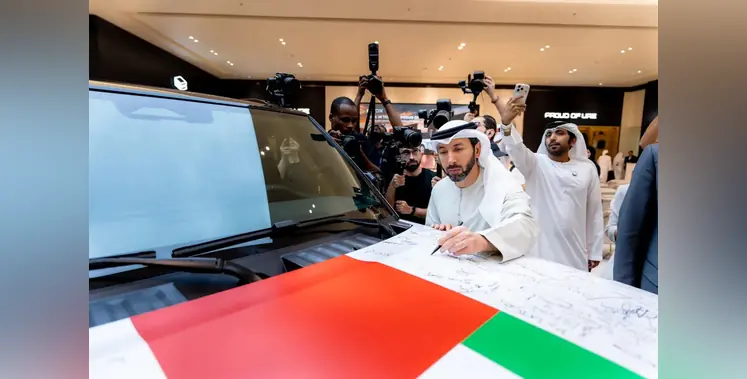
ROX has announced the delivery of its first batch of 100 UAE-manufactured vehicles bearing the “Made in the Emirates” mark as part of its UAE Signature Edition.
The United Arab Emirates is cementing its position as a hub for automotive production, pivoting to establish a diverse manufacturing ecosystem. At the forefront of this industrial transformation is the delivery of 100 locally manufactured vehicles, signalling a pivotal moment for the nation’s high-value industrial ambitions.
Produced by ROX, these inaugural vehicles prominently bear the "Made in the Emirates" mark. Forming the UAE Signature Edition, each luxury SUV was assembled through a precise, numbered production process tailored specifically for regional market demands.
Fostering an integrated industrial ecosystem
This milestone stems from strategic collaboration between the Ministry of Industry and Advanced Technology (MoIAT), the Abu Dhabi Investment Office (ADIO), and ROX. The initiative aligns with the Abu Dhabi Industrial Strategy and the National Strategy for Industry and Advanced Technology (Operation 300bn).
His Excellency Hasan Jasem Al Nowais, Undersecretary of MoIAT, highlighted the broader objective: “The UAE continues to develop an integrated industrial and investment ecosystem that attracts investment. We are focused on expanding the country’s advanced manufacturing base and accelerating the adoption of advanced technology and artificial intelligence, strengthening industry’s contribution to economic diversification and competitiveness, in line with the National Strategy for Industry and Advanced Technology and the Make it in the Emirates initiative.”
The overarching goal is to fortify national capabilities. H.E. Al Nowais emphasised: “Together with our partners, we continue to strengthen industrial resilience, develop local supply chains and attract high-quality industrial investment. Our aim is to build a more diverse and resilient industrial base that harnesses modern technology and competes in local, regional and international markets. Built on best-practice production standards, the Made in the Emirates mark has earned credibility in global markets.”
Accelerating production at Khalifa Economic Zones
Situated in Khalifa Economic Zones Abu Dhabi (KEZAD) and built within six months, the ROX facility acts as a comprehensive operational base. Key features of the site include:
-
A dedicated Manufacturing Centre streamlining local assembly.
-
An AI Lab integrating modern technology into production.
-
A Design Studio catering to specific regional preferences.
By co-locating these functions, the facility translates foreign investment into domestic capabilities. H.E. Al Nowais noted: “ROX’s operations in Abu Dhabi bring together government enablers, investment, advanced manufacturing, technology and industrial infrastructure. The delivery of 100 vehicles bearing the Made in the Emirates mark carries strategic value, creating an opportunity to attract further high-quality investment, develop national capabilities, localize knowledge and build partnerships that drive growth, competitiveness and industrial resilience in the UAE, particularly amid global supply chain challenges.”
Translating investment into automotive growth
Mohammad Ali Al Kamali, Chief Trade and Industry Officer at ADIO, stated: “ROX’s journey in Abu Dhabi demonstrates how investment can translate into tangible industrial capabilities and opportunities for global growth. The delivery of the first batch of 100 vehicles reflects the company’s commitment to strengthening its manufacturing operations and associated value chains in the emirate, contributing to the development of an automotive ecosystem that supports the localization of industrial activities and strengthens supply chains.”
He added: “As ROX enters the next phase of its growth, Abu Dhabi continues to offer manufacturers competitive advantages through advanced infrastructure, connectivity and partnerships that enable companies to establish and expand their operations and strengthen their ability to compete globally from a single base.”
For ROX, the immediate focus is scaling local operations. Jarvis, Founder and CEO of ROX, shared: “The delivery of our first UAE-manufactured vehicles is an important milestone in ROX’s long-term commitment to Abu Dhabi and the UAE. In a short period, we have established advanced manufacturing, AI and design capabilities that allow us to produce vehicles locally and serve customers across the region.”
This first delivery establishes a robust baseline for sustained industrial growth. Jarvis concluded: “We will continue working with our partners to expand our manufacturing operations, develop local capabilities and strengthen the supply chains supporting production. We look forward to establishing the UAE as a base for vehicle manufacturing and contributing to the continued development of an advanced automotive industry ecosystem.”
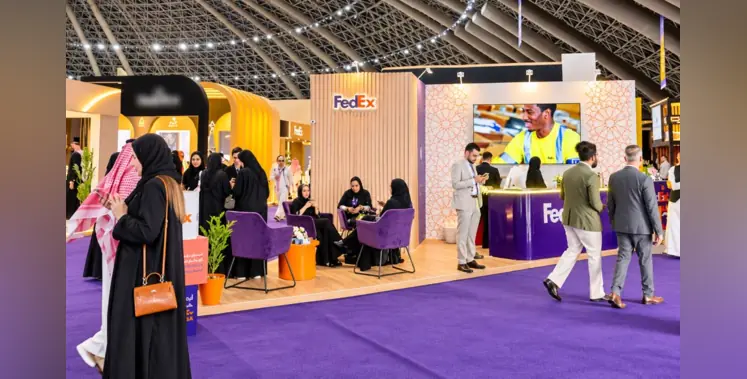
Federal Express Corporation (FedEx) has taken centre stage at the sixth Hajj Conference and Exhibition in Jeddah, showcasing targeted logistics solutions designed to support businesses throughout the pilgrimage season.
The annual Hajj and year-round Umrah pilgrimages present one of the most complex logistical challenges in the world.
With millions converging on Saudi Arabia, maintaining a seamless supply chain is vital. Addressing this colossal seasonal demand, Federal Express Corporation (FedEx) has taken centre stage at the sixth Hajj Conference and Exhibition in Jeddah, showcasing targeted logistics solutions designed to support businesses throughout the pilgrimage season.
Understanding the scale of pilgrimage demand
The sheer volume of visitors travelling to the Kingdom of Saudi Arabia creates an immense, concentrated spike in demand for essential goods and services. According to the General Authority for Statistics, more than 1.7 million pilgrims undertook the Hajj journey in 2026 alone. When combined with the millions of worshippers who visit the country annually to perform Umrah, the economic and operational footprint is remarkably vast.
This influx generates significant seasonal pressure across multiple key sectors. Retailers, hospitality providers, healthcare facilities, and dedicated pilgrimage service operators all face the daunting task of scaling their operations rapidly. To meet the needs of these worshippers, timely access to goods and supplies is absolutely critical. Without a robust and highly responsive supply chain, the infrastructure supporting these millions of visitors could face severe disruptions. The ability to forecast, manage, and execute precise logistics operations is therefore a cornerstone of a successful pilgrimage season.
Targeted logistics solutions for seasonal peaks
To alleviate the immense pressure on local businesses, global logistics providers are continually refining their service offerings. Operating out of Booth N32 at the Jeddah exhibition until November 11, FedEx is currently highlighting a suite of specialised solutions tailored to the unique requirements of the Hajj and Umrah sectors. Through an expansive global network and refined local operations, these capabilities are designed to help businesses plan shipments meticulously, manage sudden shifts in demand, and maintain uninterrupted supply chain continuity.
The services highlighted at the exhibition focus on addressing the distinct needs of various commercial sectors:
-
Time-sensitive shipments: Advanced international shipping and streamlined customs clearance capabilities are deployed to assist pilgrimage operators in managing urgent logistical requirements without delay.
-
Retail and souvenir trade: Bespoke import and export solutions empower local retailers and souvenir suppliers to maintain optimal inventory levels during peak visitor periods.
-
Hospitality and catering: Regional road freight services are heavily utilised to support the continuous movement of bulk hospitality supplies and fresh catering materials across the region.
-
Healthcare and pharmaceuticals: Specialised healthcare logistics solutions are implemented for critical items. This includes temperature-controlled shipping and the deployment of FedEx Surround® Monitoring and Intervention, which provides enhanced visibility and rigorous control for highly sensitive medical shipments.
Strengthening supply chains in Saudi Arabia
As the world’s largest express transportation company, FedEx recognises the unique pressures faced by commercial operators in the region.
“Hajj and Umrah create significant demand for businesses serving millions of pilgrims, making reliable logistics and timely access to essential goods increasingly important,” said Abdulrahman Al-Mubarak, Managing Director Operations for FedEx Middle East, Indian Subcontinent and Africa. “For these businesses, planning shipments in advance is critical to ensuring goods and supplies are available when and where they are needed. By combining our global network with our direct operations and customs clearance capabilities in Saudi Arabia, FedEx helps businesses manage time-sensitive shipments, respond to changing demand, and maintain reliable access to international markets.”
Aligning with the Kingdom’s Vision 2030
These strategic logistics enhancements align directly with the broader objectives outlined in Saudi Arabia’s Vision 2030, which places a strong emphasis on continuously enhancing the pilgrim experience. A crucial part of this strategic alignment involved a structural shift in how international couriers operate within the country.
In 2025, FedEx successfully completed its transition to a direct-serve presence in Saudi Arabia. By directly managing pickup, delivery, and customs clearance operations within the Kingdom, the organisation has significantly expanded its local footprint. This direct operational control fundamentally strengthens the ability to support local businesses with comprehensive international shipping solutions, offering them greater authority and oversight regarding their critical shipments. By integrating global expertise with highly localised operational control, the logistics sector ensures that the monumental task of supplying the pilgrimages remains a seamless success.

Product information never needs to go out of date